Hidden Talents ABA Blog

Access resources that offer 
valuable support and assistance.

Sometimes children with autism and their parents require a little extra support and skilled guidance to find the best ways for them to learn and grow. At Hidden Talents ABA, we use Applied Behavior Analysis Therapy (ABA) to aid families in this journey to success. So what is Applied Behavior Analysis Therapy, and how can it benefit you?

What is Applied Behavior Therapy?

Applied Behavior Analysis (ABA) Therapy is a specialized form of early intervention therapy that is aimed at improving the behavior, social skills, and communication abilities of children, particularly those with autism spectrum disorder (ASD) and other developmental disabilities. This therapy approach is based on the principles of behaviorism and focuses on the idea that behaviors can be learned and modified through systematic interventions.

2 kids with autism are understanding the basics.

ABA Therapy at Hidden Talents ABA

Hidden Talents ABA is a reputable therapy center that offers Applied Behavior Analysis services in Texas and Georgia. We know that one of the key concepts in ABA therapy is reinforcement. This involves providing consequences for behavior, to attempt to increase the likelihood of that behavior occurring again in the future. 

Another important concept in ABA therapy is prompting. Prompting involves providing cues or assistance to help an individual learn and perform a desired behavior. Prompting can be done in various ways. 

  • Verbal Prompts
  • Physical Prompts
  • Visual Prompts. 

The goal of prompting is to gradually fade out the prompts so that the child can independently perform the desired behavior. Giving Children a Chance to Succeed by gradually reducing prompts encourages their independence and fosters their ability to apply learned skills in various situations without constant assistance.

This approach promotes long-term success and empowerment for children with autism as they navigate daily tasks and activities.

Read our guide on best setting for ABA Therapy for children with autism to get more insight into other ways this therapy can be used.

Data Collection & Functional Assessments

Data collection is another crucial component of ABA therapy. Our therapists collect data on your child’s behaviors, such as the frequency, duration, and intensity of specific behaviors. This data allows the therapist to track progress, make informed decisions about treatment goals, and evaluate the effectiveness of interventions.

One of our key focuses is conducting functional assessments. These assessments involve observing and analyzing the child’s behavior in various contexts to identify the underlying causes of problematic behaviors. This information is then used to develop individualized therapy plans that target specific areas of improvement.

The teacher was teaching the child with autism to understand the basic task.

Specialized Therapy for Individuals 

Individualized therapy is at the core of Hidden Talents ABA’s approach. We recognize that each child has unique needs and goals, and therefore tailor our therapy plans to suit the specific requirements of each client. Through applied behavior analysis techniques, we aim to help kids learn new skills that enhance their functioning in daily life.

Hidden Talents ABA’s philosophy is centered around empowering children and their families. We believe that every individual has the potential to succeed and grow, and we provide the necessary support and encouragement to make this a reality. By fostering a sense of empowerment and confidence, Hidden Talents ABA aims to help children reach their full potential.

Positive Reinforcement in ABA Therapy

Positive Reinforcement in Applied Behavior Analysis (ABA) Therapy is a crucial method used to encourage and increase the probability of a desired behavior by presenting a motivating item to the individual after the desired behavior is exhibited. This technique is foundational in ABA therapy, particularly when working with individuals with autism spectrum disorder (ASD), as it helps in teaching new skills and promoting positive behavior changes.

Positive reinforcement works on the principle that behaviors followed by rewarding consequences are more likely to be repeated in the future. For example, if a child with ASD uses words to ask for a toy and is given the toy as a result, the child is likely to use words to ask for things in the future. This method not only supports skill acquisition but also plays a significant role in reducing challenging behaviors by replacing them with positive alternatives. It’s tailored to meet each individual’s unique needs, considering what motivates them personally, which could range from verbal praise to tangible rewards.

Moreover, positive reinforcement is distinguished from negative reinforcement, which entails removing an aversive stimulus to increase the likelihood of a behavior occurring again. While both forms of reinforcement can be effective, positive reinforcement is often preferred due to its emphasis on adding a positive consequence to encourage behavior, rather than focusing on removing a negative one.

the child with autism is guided by her teacher to understand the basic task

What Does An ABA Therapist Do?

ABA therapy is typically conducted in a one-on-one setting, with one of our trained ABA therapists working closely with the individual. The therapist conducts assessments to identify your child’s  strengths, weaknesses, and specific areas of need. Based on the assessment results, they will be able to tailor an individualized treatment plan targeting specific goals and objectives.

Additionally, ABA therapy utilizes various techniques and strategies to address a wide range of skills and behaviors. 

  • These may include teaching functional communication skills
  • Social skills
  • Self-help skills
  • Academic skills
  • positive reinforcement
  • Reducing challenging behaviors such as aggression or self-injury.

One of the strengths of ABA therapy is its emphasis on individualization. Each treatment plan is tailored to the unique needs and abilities of the child receiving therapy. ABA therapy is also highly flexible and can be adapted to different settings, such as home, school, or community settings. 

Who Provides ABA Therapy Services

ABA therapy services are primarily provided by Board-Certified Behavior Analysts (BCBAs). To become a BCBA, an individual must meet specific educational and professional requirements, including earning a master’s degree in psychology, education, or a related field; completing a defined amount of supervised practical experience; and passing the BCBA examination.

BCBAs are responsible for developing and overseeing individualized ABA therapy programs for individuals with autism spectrum disorder (ASD) and other developmental conditions. These programs aim to improve social, communication, and learning skills through positive reinforcement and are tailored to meet the unique needs of each person.

In addition to BCBAs, Registered Behavior Technicians (RBTs) also play a crucial role in delivering ABA therapy services under the supervision of BCBAs. RBTs work directly with clients to implement the behavioral interventions designed by the BCBAs.

Parent Training at Hidden Talents ABA

Another important aspect of Hidden Talents ABA’s services is parent training. We understand the crucial role that parents play in the therapy process and provide you with the necessary tools and skills to support your child’s progress at home. By empowering parents, Hidden Talents ABA aims to create a collaborative and effective therapy experience.

Contact Hidden Talents ABA

If you are looking for Applied Behavior Analysis services in Texas or Georgia, you can reach out to Hidden Talents ABA. Our team is dedicated to supporting individuals and their families, and we are committed to providing high-quality therapy services that make a real difference. Call us at 404-487-6005 or email info@hiddentalentsaba.com to begin communication with us today.

Applied Behavior Analysis (ABA) therapy is a widely recognized and effective treatment for individuals with autism spectrum disorder (ASD). It is a scientific approach to understanding and changing behavior and is based on the principles of learning and behavior.

What Is ABA Therapy?

ABA therapy focuses on improving specific behaviors, such as social skills, communication, and adaptive learning skills, while also reducing problem behaviors. 

It is a highly individualized treatment, as it can be tailored to meet the unique needs of each individual, and can be implemented in a variety of settings, including homes, schools, and clinics.

The therapy is evidence-based, meaning that it is backed by scientific research and has been proven to be effective in helping individuals with ASD develop new skills and improve their quality of life. It utilizes techniques such as positive reinforcement, prompting and fading, and shaping, to teach new skills and encourage positive behaviors.

The Importance of Multiple Therapies for Children with Autism is also crucial to consider, especially when choosing options for ABA therapy. While ABA therapy is recognized as a highly effective intervention for children with autism, it’s essential to understand that no single therapy can address all the diverse needs of individuals on the spectrum.

By incorporating various therapeutic approaches alongside ABA therapy, such as speech therapy, occupational therapy, and social skills training, children with autism can receive more comprehensive support tailored to their unique strengths and challenges.

Teacher conducting an ABA therapy session with a student who has autism.

What Happens During an ABA Therapy Session?

During an ABA therapy session, a highly trained therapist will work one-on-one with the child to implement various techniques and interventions. These may include structured activities, positive reinforcement, prompting, shaping, and parent involvement, among others. The therapist will carefully observe the child’s behavior and respond in a way that encourages positive change.

An example of an ABA therapy session for a child with autism might involve working on improving communication and social skills. Here’s a simplified scenario:

  • Introduction and Transition (5 minutes):
    • The therapist greets the child and engages in a brief, positive interaction to establish rapport.
    • The transition from a preferred activity to a structured session.
  • Goal Setting and Review (5 minutes):
    • The therapist and child review the session’s goals, which could include improving verbal communication or engaging in turn-taking during play.
    • The therapist uses visual aids or simple language to communicate the goals.
  • Structured Activity (15 minutes):
    • The therapist introduces a structured activity, such as a board game or a play scenario with toys.
    • They provide clear instructions, model appropriate behavior, and use prompts as needed to guide the child’s participation.
  • Positive Reinforcement (5 minutes):
    • Throughout the activity, the therapist uses positive reinforcement to encourage desired behaviors.
    • Praise, tokens, or other preferred rewards are provided when the child engages in positive communication or social interactions.
  • Data Collection (5 minutes):
    • The therapist takes notes or uses a data collection tool to record the child’s responses, the effectiveness of prompts, and any instances of targeted behaviors.
  • Transition to Another Activity (5 minutes):
    • The therapist facilitates a smooth transition to another activity, providing clear expectations for the upcoming task.
    • They may use a visual schedule or verbal cues to signal the change.
  • Generalization (10 minutes):
    • The therapist encourages the child to generalize the learned skills to a different context or activity.
    • This could involve practicing communication skills in a simulated real-life scenario or with a different set of toys.
  • Feedback and Reinforcement (5 minutes):
    • The therapist provides positive feedback, reinforcing the child’s efforts and progress.
    • They may discuss specific achievements and provide guidance for continued improvement.
  • Parent/Caregiver Involvement (5 minutes):
    • The therapist consults with parents or caregivers, sharing insights into the session, discussing strategies for reinforcement at home, and providing resources for ongoing support.

This example illustrates a basic ABA therapy session, but the structure and activities would be adjusted based on the child’s individual needs, goals, and preferences.

Child with autism engaging in silicon puzzle play during an ABA therapy session.

Why Choose Hidden Talents ABA Therapy

Choosing the right ABA therapy provider for your child is an important decision. With so many options out there, it can be overwhelming to determine which provider will best meet your child’s needs. At Hidden Talents ABA, we understand the importance of finding the right fit for your child and family, and we strive to provide the highest quality ABA therapy services.

The fundamentals of Hidden Talents ABA is based on respect, integrity, accountability, and personalization. From early intervention to school-age support, we provide a variety of programs to meet the needs of children at different stages of development. Our therapy programs are designed to target a wide range of skills, including communication, socialization, behavior management, academic skills, and daily living skills.

Giving Children The Chance To Thrive is at the core of our mission, and we are dedicated to creating individualized treatment plans that nurture their strengths and support their growth and development.

Contact us today to learn more and see how Hidden Talents ABA can help your child!

Applied Behavior Analysis (ABA) therapy is a personalized, evidence-based approach to developmental learning, focused on improving specific behaviors related to social skills, communication, adaptive learning skills, academics, self-regulation, and more. For children on the autism spectrum or facing other developmental challenges, ABA therapy has the power to be positively life-changing.

At Hidden Talents ABA, we have witnessed those life-changing results firsthand. As a leading ABA therapy provider known for our culture of care and accountability. We partner with families to give children the greatest chance at success and help them thrive and reach their fullest potential.

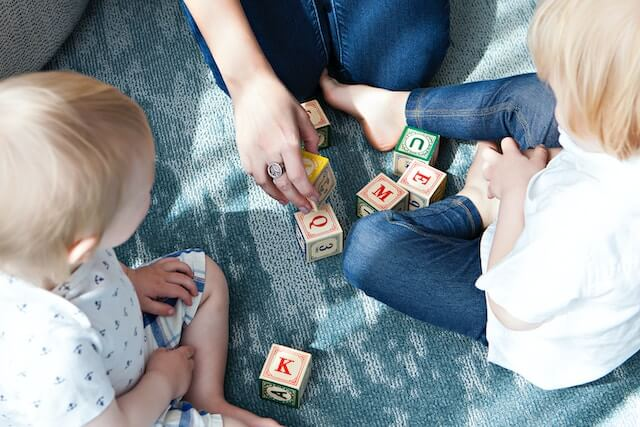
the children was learning the letter puzzle | Unlocking Potential

The Benefits of ABA Therapy

ABA therapy offers a wide range of benefits for children with developmental challenges and their families. Here are some of the most significant ways this evidence-based approach changes lives:

1. Learns Critical Skills

ABA helps children master critical social, communication, academic, and self-regulation skills needed to succeed in school, engage in the community, and live independently later in life.

2. Reduces Problem Behaviors

ABA strategies help reduce disruptive behaviors like tantrums while increasing positive behaviors. This leads to improved relationships and safety.

3. Fosters Independence

As children with autism gain skills through ABA, they rely less on parents and caregivers to meet all their needs. This increased independence is incredibly rewarding.

4. Promotes Confidence & Happiness

With ABA therapy, successes build pride, self-assurance, and happiness. Children likely feel more secure and satisfied, enjoying greatly improved quality of life.

5. Provides Resources & Support for Families

ABA equips families with resources, education, support groups and a knowledgeable team. Families gain the tools needed to understand their child’s needs.

At Hidden Talents ABA, our devoted Board Certified Behavior Analysts (BCBAs) work hand-in-hand with each family to personalize ABA strategies based on their child’s unique strengths and challenges.

Through ABA, children with autism spectrum disorder progress across many dimensions, from basic self-care skills to higher-level critical thinking and self-regulation abilities. These learned skills become instinctive habits that last a lifetime.

the children with autism was hapily playing with each other | Unlocking Potential

ABA Therapy Services from Hidden Talents ABA

Hidden Talents ABA provides a full continuum of Applied Behavior Analysis services to meet your child’s needs:

  • In-Center ABA Therapy: Intensive ABA therapy delivered consistently by one of our skilled Board Certified Behavior Analyst (BCBA) at our center locations. Ideal for rapidly accelerating progress.
  • In-Home ABA Therapy: Our compassionate team brings ABA into your home for more convenience and real-world skill practice.
  • Speech Therapy: Specialized sessions focused on communication skills, language and social skills development integrated into your child’s ABA programming.
  • Occupational Therapy: Targets fine motor, sensory regulation, coordination, self-care and activities of daily living skills through ABA methods.
  • Family Training: Our BCBAs educate, coach and support family members to reinforce ABA methods and generalize skills into everyday life.
  • Progress Tracking: We continually track data, assess progress, and adjust ABA strategies as needed to promote ongoing success.
  • Transition Support: Guiding families through major transitions with customized ABA support eases uncertainty and boosts confidence.

Want to Learn More About Our ABA Therapy?

At Hidden Talents ABA, our ultimate goal is to help your child gain confidence and lifelong skills to be happy and thrive. Contact us today to learn more about ABA therapy or schedule your free consultation.

a child with autism was learning to build | Unlocking Potential

ABA Therapy FAQs

What results can I expect to see? 

You can expect to see improvements in target skill areas within months. Exact goals and timeframes will depend on your child’s individual strengths and challenges. Our team will outline projected outcomes as we start services.

How many hours per week are needed? 

Most children with autism do best with 25-40 hours per week of intensive ABA therapy. Our BCBA designs the recommended number of hours based on your child’s specific needs and age.

How do you involve parents? 

We actively involve parents through family training so you can continue reinforcing ABA methods in daily life. Constant collaboration is key to generalization and consistency.

Who pays for ABA services? 

Many health insurance plans cover ABA therapy. We handle claims paperwork and confirm your benefits. If uninsured, payment plans or scholarships from our non-profit may be available.

The world of children is a vibrant one, filled with curiosity and exploration. Every child is unique in their own way and brings something special to the table. But what happens when a child is different in a way that’s not immediately understood by their peers? This is often the case with children who have autism spectrum disorder (ASD). Inclusion of children with autism among neurotypical children in mainstream schools can be a challenge, but it is an essential step towards fostering understanding, acceptance, and friendship.

Children with autism and neurotypical peers learning and enjoying together

Understanding Autism Spectrum Disorder (ASD)

Autism is a developmental disorder characterized by difficulties in social interaction, communication, and repetitive behaviors. It is called a ‘spectrum’ disorder because the severity and type of symptoms vary widely from person to person.

The Importance of Inclusion

Inclusion is not just about physical proximity. It’s about intentionally planning for the success of every child. By including children with autism in learning environments and mainstream education, we are allowing them to learn, play, and grow alongside their neurotypical peers. This exposure helps neurotypical children understand that while their friends with autism might communicate or behave differently, they are not ‘less than’. They simply experience the world differently. When children are included, they not only learn to accept differences but also appreciate and celebrate them.

Fostering Understanding among Neurotypical Children

Children are naturally curious and might have questions about their peers with autism. It’s important for parents and educators to create a safe space for discussions with children with autism spectrum and address any misconceptions or stereotypes that may exist. This can be done through age-appropriate discussions, books, and activities that promote empathy and understanding. It’s also essential to encourage children to ask questions directly to their peers with autism in a respectful manner.

Promoting Acceptance through Education

Educating neurotypical children about autism is crucial for promoting acceptance. This can be done by inviting speakers with autism or organizing educational workshops where children can learn about the disorder and how they can support their peers. It’s also important to teach children that everyone has different strengths and challenges, and to teach students it’s okay to be different.

Building Friendships

One of the most significant benefits of inclusion is the chance for children with autism to build friendships with their neurotypical peers. These friendships are not only meaningful but also help children with autism learn important social skills and develop a sense of belonging. By giving children with autism the opportunity to interact with neurotypical students and socialize with their peers, we are breaking down barriers and fostering a more inclusive society for students with disabilities.

kids with autism building friendships

Challenges Faced by Children with Autism in a Regular Classroom

Navigating a conventional classroom or general education setting can pose distinct challenges for children with autism. The sensory-rich environment of a classroom, with its constant noise, bright lights, and a multitude of visual cues, can be overwhelming for them. This sensory overload can lead to difficulty concentrating, anxiety, and occasional meltdowns. Additionally, the social dynamics in a classroom can be complex and hard to grasp for children with ASD, as they often struggle with understanding non-verbal cues, expressing their feelings, and interpreting their peers’ emotions and reactions. Academically, the one-size-fits-all approach of mainstream education may not cater to the unique learning styles and pace of children with autism, possibly leading to frustration and a sense of inadequacy. These challenges underline the need for more inclusive, accommodating, and understanding environments within mainstream education.

Strategies for Successful Inclusion

Successful inclusion doesn’t happen overnight; it requires careful planning and execution. Here are some strategies that can help:

1. Education and Awareness:

The first step in successful inclusion is educating neurotypical children about autism. Use age-appropriate language to explain what autism is and how it affects people. Encourage children to ask questions and foster an open dialogue about differences and acceptance of other children with special needs.

2. Peer Modeling:

Children learn a lot from observing their peers. Encourage neurotypical children to model appropriate social behavior. This could be as simple as showing how to share a toy or as complex as demonstrating crucial skills in conflict resolution.

3. Individualized Support:

Children with autism often need individualized support to succeed in a mainstream classroom environment. This could include visual aids, specialized instruction, and one-on-one support.

4. Encourage Interaction:

Create opportunities for neurotypical children and those with autism to interact and form relationships. This could be through group projects, play dates, or buddy systems.

Inclusivity in the Classroom

Inclusivity in the classroom goes beyond just ensuring physical presence. It entails creating an environment that values diversity, supports the learning needs of all students, and promotes a sense of belonging. For children with autism, this means classrooms and school districts should offer structured routines, clear communication, and learning adaptations, such as alternative seating or specialized learning tools. Regular education teachers and special education teachers need to collaborate to tailor teaching strategies that meet the individual needs of children with autism. This not only fosters a sense of belonging but also enables them to reach their full potential. Additionally, inclusivity extends to social dynamics too. It involves promoting positive social interactions between neurotypical children and those with autism, fostering a classroom community of respect and acceptance. This can be achieved through inclusive classroom activities that encourage teamwork and mutual understanding, ultimately building a more inclusive society.

Image representing inclusivity in the classroom

Community Benefits for Autism Inclusion

The concept of community inclusion for individuals with autism is a vital aspect of fostering a supportive, accepting, and inclusive society. The benefits of such an inclusive approach are multifaceted, touching on social, emotional, and practical aspects of life for autistic individuals and the broader community.

Social Engagement and Interaction

One of the primary benefit of a community settings with inclusion is the increased opportunity for social engagement and interaction. Autistic individuals often face challenges in social environments due to differences in communication and social interaction styles. Inclusive communities that are designed with these differences in mind can help reduce barriers, allowing autistic people to participate more fully in social activities. This not only aids in the development of social skills but also fosters a sense of belonging and connection with others.

Mental Health and Well-being

Inclusion has a significant positive impact on mental health and well-being. Feeling accepted and valued within one’s community can boost self-esteem and confidence. Moreover, participation in community activities provides a sense of purpose and contributes to overall happiness. For autistic individuals, who may experience higher rates of anxiety and depression, being part of an inclusive community can offer essential support and improve mental health outcomes.

Access to Resources and Opportunities

Inclusive communities ensure that autistic individuals have equal access to resources and opportunities. This includes education, employment, recreation, and healthcare. By removing barriers to access, inclusive communities help ensure that autistic people can pursue their interests, develop their skills, and contribute to society in meaningful ways. This not only benefits the individuals directly involved but enriches the community as a whole by embracing diversity and harnessing the unique perspectives and talents of all its members.

Acceptance and Understanding

Community inclusion promotes acceptance and understanding among all community members. When communities actively work towards inclusion, it helps break down stereotypes and misconceptions about autism. Education and awareness initiatives can foster empathy and appreciation for diversity, leading to a more compassionate and supportive community environment.

Levels of Autism Inclusion

Understanding the levels of autism is crucial for fostering a more inclusive and supportive society. The autism spectrum encompasses a wide range of abilities and challenges, which are often categorized into three levels based on the severity of support needed. This nuanced approach helps tailor support and inclusion strategies effectively.

Levels of Autism

  1. Level 1: “Requiring Support”
    • Individuals at this level may struggle with social interactions, such as initiating conversations or responding as expected in social situations. They might find it hard to switch between activities or cope with changes in their routine. Despite these challenges, with the right support, they can engage in daily activities and maintain independence.
  2. Level 2: “Requiring Substantial Support”
    • At this level, individuals face more significant difficulties in verbal and nonverbal communication, which can hinder social interactions. They may exhibit repetitive behaviors and have a limited range of interests, making it harder to adapt to new environments or changes. Substantial support is needed to help them navigate social situations and manage daily tasks.
  3. Level 3: “Requiring Very Substantial Support”
    • Individuals with Level 3 autism experience severe challenges in communication and social interactions, often accompanied by highly restrictive and repetitive behaviors. They require a high degree of support in all areas of life to ensure their well-being and to facilitate any form of engagement with their surroundings.

Inclusion Strategies Across Levels

For each level of autism, tailored inclusion strategies can make a significant difference in the quality of life and societal participation of autistic individuals.

  • For Level 1, inclusion efforts might focus on social skills training, flexible routines, and environments that accommodate sensory sensitivities. These individuals may benefit from structured social opportunities that allow them to practice and develop their communication skills.
  • Level 2 strategies could include more intensive support in schools and workplaces, such as speech therapy, occupational therapy, and Individualized Educational Programs (IEPs) that cater to specific learning and interaction needs. Creating understanding and supportive social environments is key.
  • Inclusion for Level 3 individuals might involve specialized care and support services, including highly structured environments and one-on-one support. Community programs designed to enhance life skills, as well as therapeutic interventions to manage behaviors, are crucial.

The Long-Term Impact of Inclusion

Inclusion benefits everyone involved. Children with autism get the chance to learn social skills and make friends, while neurotypical children learn about empathy, acceptance, and diversity.

Inclusion teaches us that every person is unique and valuable, no matter how they experience the world. By fostering an inclusive education environment and supporting students from a young age, we are shaping a future that is accepting, diverse, and compassionate.

Inclusion is not a destination but a journey, and it’s one worth taking. Let’s take the first step together.

: National Institute of Mental Health. (2019). Autism Spectrum Disorder. https://www.nimh.nih.gov/health/topics/autism-spectrum-disorders-asd/index.shtml

Autism Spectrum Disorder (ASD) is a developmental disorder that affects communication and behavior. While it can be diagnosed at any age, the signs typically appear in the first two years of life. Autism is commonly associated with boys, as they are four times more likely to be diagnosed than girls. However, recent studies suggest that women and girls may simply exhibit different symptoms, which often go unnoticed. Here is a closer look at the signs of autism in girls.

A child covered in paint | Understanding Autism in Girls

Autism traits in girls

Girls with autism often exhibit traits that are different from those typically seen in boys diagnosed with autism. These can include a high desire for social interaction and friendship, even though they might find it difficult to understand social norms. They may have intense interests, but these are often aligned with those of their peers, such as horses, dolls, or literature. Girls with autism also tend to be quiet and can be perceived as shy or introverted. They might have a highly developed imagination, leading to engaging in complex pretend play.

Moreover, they are often good at mimicking social behavior which can mask their difficulties, leading to a delay in diagnosis or a lack of recognition of their condition. These traits, however, vary from individual to individual, as autism spectrum disorder encompasses a wide range of symptoms and behaviors.

Challenges girls with autism spectrum disorder may face

Social Interaction Difficulties

Girls with autism might struggle with social interaction, but this could manifest in less obvious ways than in boys. They may have one or two close friends rather than a large group, and they might prefer to interact one-on-one than in larger groups. They might also find it challenging to initiate and maintain conversations.

Intense Interests in Specific Subjects

Girls with autism may have intense interests, but these are often aligned with those of their peers, making this sign of autism spectrum disorders less noticeable. For instance, if a girl is obsessed with horses, it might not raise flags. However, if her interest is consuming to the point where it’s all she talks about, it could be a sign of autism.

Sensory Sensitivities

Girls with autism often have sensory sensitivities. They might be bothered by certain textures, sounds, smells, or tastes. This could manifest as picky eating or an aversion to specific types of clothing.

2 girls reading a book | Challenges girls with autism spectrum disorder may face

Difficulty with Changes in Routine

Many girls with autism thrive on routine and predictability. Changes in their schedule or environment can cause them significant distress.

Imitation and Camouflaging

It’s been observed that many girls with autism are adept at ‘camouflaging’ their symptoms. They may observe and copy their peers’ behavior, expressions, and gestures to fit in. This mimicry, while a coping mechanism, can make it harder to identify autism.

Emotional Challenges

Girls with autism might struggle with managing their emotions. They may have difficulty identifying and expressing their feelings, leading to emotional outbursts or seeming overly sensitive.

Missed signs of autism in girls

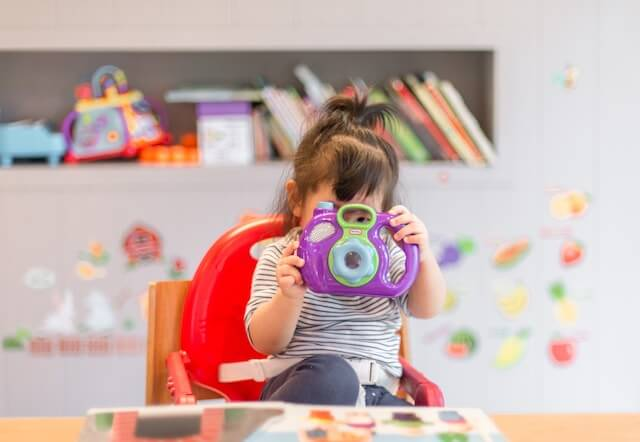
A child playing his toy camera | Missed signs of autism in girls

In the context of autism screening, certain autism symptoms may tend to be overlooked in girls of young age due to social expectations or biases. These overlooked or missed symptoms can include:

Subtle Social Struggles

While girls with autism may struggle with social interaction, their difficulties in social situations may be more nuanced and less noticeable. They may seem shy or introverted, rather than displaying more overt social difficulties like their male counterparts.

Camouflaging

The tendency for girls with autism to camouflage their symptoms, as mentioned earlier, is a significant factor leading to missed diagnoses. They may study body language and reproduce social behavior, which can mask their struggles with their social skills and interaction.

Anxiety and Depression

Girls with autism are often more prone to anxiety and depression. However, these conditions may be seen as standalone, leading to a missed autism diagnosis.

Intellectual Disability

While intellectual disability occurs in both genders with autism, research suggests it might not be recognized as a sign of autism in girls, leading to a delayed or missed diagnosis.

Less Obsessive Interests

While girls with autism do have intense interests, they’re often seen as less obsessive or unusual than those of boys with autism, leading to them being overlooked as an autism symptom.

Why Do Girls With Autism Go Undiagnosed?

Girls with Autism Spectrum Disorder (ASD) often go undiagnosed due to a variety of factors. Traditionally, most research and diagnostic criteria for autism have been based on male-centric symptoms and behavior. This leads to skewed understanding and recognition of female autism and the disorder, leaving many girls undetected.

Societal biases and stereotypes also play a considerable role, as girls are often expected to be more sociable and emotional. This expectation can mask the symptoms of ASD, as girls are more likely to camouflage their struggles to fit societal norms.

Moreover, the symptoms of ASD in girls are often misattributed to other conditions like anxiety or depression, further complicating the diagnosis. In some cases, girls might not exhibit the intense, narrow interests typically associated with ASD, or their interests align with those of their peers, making it less likely for these signs to raise alarm.

Additionally, girls with ASD often develop advanced imitation skills in early childhood, which help them camouflage their condition by mimicking their peers. This ‘camouflaging’ behavior can lead to a delay in diagnosis or even go undiagnosed, as it conceals the more classic symptoms of autism.

In conclusion, a combination of societal expectations of autistic traits, gender biases in diagnostic criteria, and the unique symptomatology of ASD in girls contributes to the under diagnosis and misdiagnosis of ASD in girls. It’s crucial for healthcare providers to understand these differences and adapt their diagnostic processes to ensure girls with ASD receive the support they need.

How is Autism Diagnosed in Girls?

Autism is diagnosed in girls in much the same way it is diagnosed in boys, but there are some unique considerations due to differences in behavior and social expectations. The diagnostic process typically involves a multi-disciplinary team of specialists and includes a combination of observations, interviews, and testing.

Here are the general steps:

Developmental Screening: This is a short test to tell if children are learning basic skills when they should, or if they might have delays. If the doctor sees any signs of a problem, a comprehensive diagnostic evaluation is needed.

Comprehensive Diagnostic Evaluation: This thorough review may include looking at the child’s behavior and development and interviewing the parents. It may also include a hearing and vision screening, genetic testing, neurological testing, and other medical testing.

Behavioral Evaluation: A specialist will observe the child’s behavior, communication abilities, and social interactions. They may use standardized autism-specific tools such as the Autism Diagnostic Observation Schedule (ADOS).

In girls, autism can sometimes be overlooked or misdiagnosed because they may exhibit different behaviors than boys. For example, girls with autism might be quieter, less aggressive, and more likely to blend in with their peers compared to boys. They might also have intense interests that seem typical for their gender, making it harder to recognize these as symptoms of autism.

It’s important for parents and health professionals to be aware of these differences to ensure girls with autism get the diagnosis, early intervention and support they need.

Exploring “How Grants in Texas Can Help Children with Autism” can provide families with additional resources and support to access early intervention services, therapies, and educational programs tailored to their child’s needs.

Remember, each individual is unique, and not everyone will fit the typical profile. The key is to look for persistent patterns of behavior that interfere with daily life and development.

Sources:

NAS

 Beyond Autism

 Autism Awareness Centre

 VeryWell Health

 Autistic Girl Network

 Child Mind Institute

Art therapy is a form of expressive therapy that utilizes the creative process of making art to improve a person’s physical, mental, and emotional well-being. For individuals with autism, it can be an incredibly impactful tool. Let’s dive into this topic and explore the benefits of art therapy for those on the autism spectrum. The Beauty in standing out shines through as individuals express themselves uniquely through art, embracing their differences and celebrating their creativity.”

a child with autism expressing herself through art

Understanding Autism

Autism Spectrum Disorder (ASD) is a complex neurodevelopmental condition that affects social skills, communication skills, and behavior. Individuals with autism often experience difficulties understanding social cues and expressing their feelings verbally. This can lead to feelings of frustration, isolation, and anxiety during social interactions.

The Role of Art Therapy

Art therapy offers a unique approach to autism treatment by providing an alternative means of communication and self expression. It helps those with autism express their thoughts and emotions in a non-verbal way, creating a bridge between their inner world and the outside environment.

Art therapy doesn’t rely on verbal communication, which can be challenging for some with ASD. Instead of body language, it uses visual and tactile experiences, allowing individuals to communicate through colors, shapes, and textures.

Art therapy can also be helpful for individuals with Macrocephaly, just as it can be beneficial for individuals with various neurodevelopmental conditions.

Art therapy offers a non-verbal means of expression, allowing individuals to communicate thoughts, emotions, and experiences through creative activities such as drawing, painting, sculpting, and other forms of artistic expression.

a used paint brush | The Role of Art Therapy

How does Art Therapy Work?

In an art therapy session for someone with autism, the art therapist would typically tailor the activities to the individual’s interests, abilities, and therapeutic goals. They may use a variety of art materials and techniques, such as drawing, painting, collage, and sculpture.

Benefits of Art Therapy for Individuals with Autism

Enhanced Communication and Expression

Art therapy and art making allows individuals with autism to express their thoughts, feelings, and experiences without the need for words. Through their artwork, they can communicate complex emotions, ideas, and experiences that they might struggle to articulate verbally.

Improved Social Skills

Group art therapy sessions can help improve social skills by encouraging cooperation, turn-taking, and shared experiences. It also creates a safe and supportive environment with art materials where individuals can interact with others without the pressure of verbal communication.

Increased Self-esteem and Confidence

By creating art, individuals on the autism spectrum can gain a sense of achievement and pride in their work. This can boost their self-esteem and confidence, which can positively impact other areas of their life.

Reduction in Anxiety and Stress

The process of creating art can be very calming and therapeutic. It provides a distraction from stressful thoughts and situations, helping to reduce anxiety and promote relaxation.

In conclusion, art therapy can be a powerful tool in the treatment of autism, with art therapists offering a unique way for individuals to communicate, express themselves, and interact with others. While it’s not a cure for autism spectrum disorder, it can significantly improve quality of life and help individuals with autism lead more fulfilling lives.

a child with autism creating an artwowrk | Art Therapy

When should a child start art therapy?

There isn’t a set age for a child to start art therapy. The timing of autism and art therapy is unique to each child and depends on their individual needs and readiness. However, early intervention is often beneficial in addressing developmental challenges and enhancing communication skills. It’s recommended to consult with a healthcare provider or a professional art therapist to determine the appropriate time to introduce art therapy. Keep in mind that the child’s willingness to engage in the process is equally important to ensure the effectiveness of the therapy.

How to select an art therapist

Choosing an art therapist for the art projects of a child with autism is a decision that requires careful consideration. Here are some steps to guide you through this process:

  1. Check Qualifications: Ensure that the art therapist holds a master’s degree in Art Therapy or a related field, and is registered or board certified by a reputable art therapy association such as the American Art Therapy Association (AATA) or the Art Therapy Credentials Board (ATCB).
  2. Specialization in Autism: Look for therapists who have experience or specialize in working with children on the autism spectrum. They’ll be best equipped to understand the unique needs of your child and adapt the therapy accordingly.
  3. Approach and Techniques: Every therapist has a unique approach to art therapy. Ask about the techniques they use and how they adapt these to cater to the needs of children with autism.
  4. Comfort Level: The rapport between the therapist and your child is crucial for successful therapy. It’s a good idea to visit the therapist with your child before making a decision. Observe how your child reacts to the therapist and the environment.
  5. Logistics: Consider practical aspects like the location of the therapist’s office, session timings, and the cost of therapy. These factors can significantly impact the sustainability of the therapy.

Remember, the goal of art sessions is to find a therapist who your child feels comfortable with, and who can effectively use art therapy to help your child express their thoughts and feelings in a supportive environment.

If you or a loved one is affected by ASD and interested in exploring art therapy, please consult with a healthcare professional or a certified art therapist to guide you through this journey.

Linking Art Therapy and ABA Therapy for Children with Autism

Art therapy and Applied Behavior Analysis (ABA) therapy are both beneficial for children with Autism Spectrum Disorder (ASD). They provide different but complementary approaches to supporting these children’s development and well-being.

Art therapy is a form of psychotherapy that uses art media as its primary mode of communication. It allows children with ASD to express themselves through different media, enhancing their communication and expression skills. This approach also helps improve a child’s imagination and ability to communicate.

Art therapy can provide a safe and controlled environment for individuals with autism to explore different textures, colors, and materials. It empowers expression and can be an effective method to help children with autism express their needs, emotions, and thoughts in a stress-free environment.

On the other hand, ABA therapy is a type of therapy that improves social, communication, and learning skills through reinforcement strategies. While I couldn’t find a direct link between ABA therapy and art therapy in my research, it’s reasonable to infer that combining these two could be highly beneficial.

For example, art therapy can be incorporated into ABA therapy sessions to provide a more holistic approach. The creativity encouraged in art therapy can complement the structured learning of ABA, offering children a balanced therapeutic experience.

However, it’s important to note that every child with autism is unique and what works best will vary from individual to individual. Therefore, a tailored approach that considers each child’s specific needs and interests would likely yield the best results.

Research indicates a potential benefit of art therapy for children diagnosed with autism. However, it’s crucial to understand that this evidence doesn’t hold the same weight as more recognized treatments such as Applied Behavior Analysis (ABA) or speech therapy. 

Alternatively, one could say that there is some indication that art therapy can provide benefits for certain children with autism, but it should be viewed as an auxiliary therapy rather than the main or sole treatment. It’s advisable for parents and caregivers to collaborate with skilled professionals and contemplate a variety of proven interventions along with art therapy to meet the unique needs of their autistic child.

Applied Behavior Analysis (ABA) therapy is a well-established method for treating individuals with autism and other developmental disorders. Traditionally, ABA therapy for children has been conducted in person, often in a clinic or the client’s home. However, with advancements in technology and changes necessitated by recent global events, virtual ABA therapy has emerged as an increasingly viable option. But can ABA therapy be done virtually? Let’s delve into this topic.

Virtual ABA therapy | The Future of Autism Treatment

What is ABA therapy?

Applied Behavior Analysis (ABA) therapy is a type of therapy used to improve specific behaviors, such as social skills, communication, reading, and academics, as well as adaptive learning skills, such as fine motor dexterity, hygiene, grooming, domestic capabilities, punctuality, and job competence with a treatment plan designed by an ABA therapist.

ABA therapy applies our understanding of how behavior works to real situations. The goal is to increase behaviors that are helpful and decrease behaviors that are harmful or affect learning by using techniques and principles to bring about meaningful and positive changes in behavior.

It’s often used in the treatment of individuals with Autism Spectrum Disorder (ASD), but it can be applied to anyone in need of behavioral intervention. ABA therapy programs can help:

  • Increase language and communication skills
  • Improve attention, focus, social skills, memory, and academics
  • Decrease problem behaviors

The strategies of ABA therapy can be applied in a variety of settings including home, school, and community and it’s always tailored to the individual needs of the person receiving the therapy.

Understanding Virtual ABA Therapy

Virtual ABA therapy, also known as telehealth ABA therapy, involves conducting therapy sessions remotely, using digital tools such as laptops, tablets, or smartphones. This form of virtual therapy also allows clients to access the benefits of ABA therapy from the comfort of their own homes. The therapist and the client interact in real-time, albeit from separate locations.

Unlike traditional ABA therapy, virtual ABA therapy primarily focuses on parent training, problem-solving, reducing challenging behaviors, and increasing functional skills. The sessions typically consist of a 1:1 caregiver-child interaction joined remotely by a Board-Certified Behavior Analyst (BCBA).

Child engaging in virtual therapy session

The Effectiveness of Virtual ABA Therapy

While the virtual delivery of ABA therapy may seem unconventional, it has been shown to be effective. In fact, some people may find that receiving ABA therapy virtually using telehealth technology can be a great option.

Virtual ABA therapy offers a unique opportunity for parents and caregivers to be more involved in the therapeutic process. Through this active participation, they can learn first-hand the strategies and techniques used in ABA therapy, which they can then apply outside of therapy sessions. This approach not only helps to reinforce learned behaviors but also promotes consistency and focus, which is key in ABA therapy.

The development of a child through  Virtual ABA Therapy

Conclusion

In conclusion, yes, ABA therapy can indeed be done virtually in home now. It offers an alternative that can be just as effective as traditional in-person therapy services while still following your child’s ABA therapy treatment plan. As with any therapeutic intervention, the suitability of virtual ABA therapy will depend on the individual needs and circumstances of the client and their family. Therefore, it’s essential to discuss this option with a healthcare professional or a BCBA to determine if it’s the right choice for your child.

As we observe National Disability Independence Day, it’s critical to recognize the importance of ensuring access to high-quality ABA therapy services for individuals with autism and other developmental disabilities, whether delivered in person or virtually.

With the increasing accessibility of technology and the need for flexible treatment options, virtual ABA therapy is likely to become more prevalent in the future. It represents a promising direction for the field of ABA therapy, offering greater accessibility and convenience while maintaining the high standards of care associated with this form of treatment.

Mother conducting in-home therapy session with her children

Resources

American Psychological Association. (2020). Applied Behavior Analysis (ABA). Retrieved from https://www.apa.org/ptsd-guideline/patients-and-families/cognitive-behavioral

Autism Speaks. (2020). What is Applied Behavior Analysis? Retrieved from https://www.autismspeaks.org/applied-behavior-analysis-aba-0

Behavioral Health Center of Excellence. (2019). Telehealth and Remote Services. Retrieved from https://bhcoe.org/2019/03/telehealth-and-remote-services/

American Telemedicine Association. (2018). Telehealth Basics. Retrieved from https://www.americantelemed.org/resource/why-telemedicine/

National Library of Medicine. (2021). Effectiveness of Telehealth Direct Therapy for Individuals with Autism Spectrum Disorder. Retrieved from https://www.ncbi.nlm.nih.gov/pmc/articles/PMC8274667/

Autism Spectrum Disorder (ASD) is a complex neurodevelopmental condition that impacts social interaction, communication, interests, and behavior. But what exactly happens in the brain structure to cause these characteristics? Let’s take a deeper look.

A child eating his toy block | Understanding Autism

What is a Autism Spectrum Disorder?

Autism Spectrum Disorder (ASD) is a neurological and developmental disorder. It’s often characterized by difficulty with social interaction, communication, and repetitive behaviors or interests. It’s usually diagnosed in early childhood, but the symptoms are lifelong. As ASD can range from mild to severe, so too can autism symptoms and its effects on brain structures.

What parts of the brain are affected by Autism?

Research has shown that the brain areas affected by autism vary from person to person. However, some of the brain regions most commonly affected are the frontal cortex, cerebellum, amygdala and hippocampus.

The Prefrontal Cortex

The prefrontal cortex, located at the front of the brain region, and is responsible for high-level functions like planning, decision-making, social interactions, and personality development. Research suggests that individuals with autism may have abnormalities in this area. These irregularities can contribute to difficulties with social interaction, a characteristic often associated with autism.

The Amygdala

The amygdala, a small almond-shaped structure deep within the brain, is primarily responsible for processing emotions. Studies indicate that the amygdala might be larger in those with autism than in typically developing individuals, which could lead to heightened emotional responses and anxiety, common traits in people with ASD.

The Cerebellum

The cerebellum, located at the back of the brain, plays a vital role in motor control, balance, and coordination. Some studies show that changes in brain connectivity in the cerebellum are often found in people with autism. This could explain why some individuals with autism may have motor skill difficulties, such as clumsiness or awkwardness in movement.

The Temporal Lobe

The temporal lobe, located on the sides of the brain, is associated with processing sensory input, assigning meaning to visual cues, and understanding language. Abnormalities in the temporal lobe have been linked to cognitive deficits and challenges with communication and with sensory input processing often seen in individuals with autism.

The Corpus Callosum

The corpus callosum is a bundle of nerves that connects the left and right hemispheres of the human brain together, facilitating communication between them. Some research has found that the corpus callosum might be smaller or differently structured in those with autism. Such structural differences, could potentially affect brain function and the integration of information between the two hemispheres.

A brain | Brain growth and size of a child with autism

Brain growth and size of a child with autism

Brain size and growth of a child with autism can also differ from those of a typically developing child, and this difference in brain development may be associated with ASD. While more research needs to be done to understand the full extent of these differences, it’s clear that autism is caused by changes in the brain.

Understanding how autism affects different parts of the brain can help us better diagnose and treat this condition. By recognizing how each part of the brain is affected, we can create more effective interventions and therapies for individuals with ASD.

With a better understanding of what’s happening in the brain, we are one step closer to improving the lives of people on the autism spectrum.

How does ABA Therapy Affect the brain and help children with autism?

Applied Behavior Analysis (ABA) is an evidence-based therapy that focuses on reinforcing positive behaviors and reducing negative ones. By providing children with autism with regular, intensive instruction, ABA can help them develop language, social skills, and adaptive behavior. Research has documented the effectiveness of ABA in treating ASD, but it’s still not clear how exactly it works to affect brain development. While the exact mechanisms are still being studied, ABA may help by strengthening neural connections in areas of the brain that are involved cognitive processes along with communication, language, and social functioning.

While a diagnosis of autism spectrum disorder can be overwhelming, it’s important to remember that individuals with ASD have unique strengths and talents. Understanding the brain patterns and which parts of the brain are affected by autism may help us better understand the condition and develop more effective treatments. With the right support, individuals with autism can lead fulfilling and productive lives.

By understanding the specific brain regions affected by autism, researchers and clinicians can develop targeted treatment and intervention strategies to support individuals with autism in reaching their full potential.

We hope this article has shed some light on which parts of the brain are affected by autism and how ABA therapy may potentially help. If you are looking to start ABA therapy for your child with autism don’t hesitate to contact Hidden Talents ABA at (404) 487-6005 or visit our website here.

Many families become overwhelmed when a loved one is diagnosed with autism spectrum disorder (ASD). However, knowing where to begin looking for help can be a relief. 

Many autism resources in Atlanta, GA, are available to help parents and children with ASD gain the tools necessary for success. 

Understanding IEPs for Parents of Children with Autism is also crucial when exploring the available Autism Resources in Atlanta. Individualized Education Programs (IEPs) play a vital role in ensuring that children with autism receive the support and accommodations they need to succeed in school. By understanding the components of an IEP, parents can advocate effectively for their child’s educational needs and collaborate with school professionals to create a personalized plan that addresses their child’s unique strengths and challenges.

Resource List for Children with Autism in Atlanta

Atlanta has many organizations aimed at helping those with developmental disabilities gain the help they need. 

Local charities, foundations, and support groups help families navigate the challenges of autism and discover aid and resources that may go overlooked.

Georgia Council on Developmental Disabilities

The mission of the Georgia Council on Developmental Disabilities (GCDD) is to work for societal and policy changes and promote opportunities for diverse people with developmental disabilities and their families to thrive in their communities. 

The GCDD educates leaders, legislators, and the general public about how to include those with developmental disabilities in community life. In addition, it connects families seeking support and resources with the right programs for their needs. 

Easterseals of North Georgia

Easterseals of North Georgia supports those with autism and their families. By providing education, advocacy, and outreach services to those affected by ASD, Easterseals helps engage families with their communities and sets everyone up for success.

This nonprofit offers everything from child development screening to vocational services to relief opportunities for overwhelmed caregivers. Easterseals prides itself on its on-the-ground support for those with developmental disabilities.

Parent to Parent of Georgia

Parent to Parent of Georgia is widely recognized as one of the best resources for families seeking help and support. 

This organization offers a wide range of resources to support those with ASD from birth until age 26. By matching families with peer support and beneficial services, Parent to Parent helps those navigating new challenges. 

Families seeking information on resources, training, special events, and more can use Parent to Parent’s extensive database to identify the help they need and find information on how to access those resources.

Marcus Autism Center

The Marcus Autism Center is among the largest autism centers in the U.S. It provides families affected by ASD with access to research, comprehensive testing, and breakthrough treatments.

The center serves as an essential resource for those with autism. It also actively works to share research and train educators and care providers to help those with autism live better lives.

Social Skills Today

Social Skills Today provides respite opportunities for caregivers of those with ASD and other developmental disabilities. The organization offers summer camps, mini-break camps during the school year, social skills groups, and overnight camps. 

Its work meets two critical needs: providing social and behavioral skills training activities in a safe and nurturing environment and giving caregivers a well-deserved break. 

Best Buddies

Best Buddies of Georgia is a nonprofit organization committed to forging friendships, integrated employment opportunities, leadership development, and inclusive living situations for those with developmental disabilities. 

It focuses on ending physical, social, and economic isolation for those with ASD and other conditions and empowering people with disabilities to form meaningful relationships and positive roles in their communities. 

Threshold Community Program

Threshold Community Program works with teens and adults with ASD who struggle to live active, purposeful lives and form meaningful connections with others and their communities. 

Through family and transition services, education, and wellness, Threshold Community Program encourages independence and growth.

Pure Hearts of Georgia

Pure Hearts of Georgia is a nonprofit organization supporting children and adults with intellectual disabilities and their families.

Pure Hearts offers yoga and fitness classes, dance and music therapy, adaptive sports, arts and crafts, and other activities to those who may have difficulty in traditional programs. 

It also offers education and training sessions to parents and families about critical, relevant topics, hosts family meet-ups, and holds sensory-friendly events.

Spectrum Autism Support Group

Spectrum Autism Support Group supports the Atlanta autism community through events, programs, and resources. 

Families affected by ASD can take advantage of monthly support groups, respite programs, and family camps. At the same time, those with autism can benefit from day and overnight camps and social skills groups.

ABA Therapy in Atlanta

Applied behavior analysis (ABA) therapy serves as the gold standard for supporting the developmental needs of those diagnosed with ASD. The ABA process works to understand, predict, and change behavior through the science of learning. 

This therapy effectively reinforces positive behaviors and reduces harmful behaviors. However, while ABA is a highly regarded approach, not all ABA programs are the same. 

High-quality ABA therapy is individualized to meet each child’s needs. When employed with care and respect, ABA therapy can increase communication and language skills, improve memory and social skills, and cultivate more extended periods of focus. 

Hidden Talents provides comprehensive at-home ABA therapy in Atlanta for your child regardless of where they are in their development and works with them as they develop the skills they need for success.

Raising awareness about these resources is crucial to ensuring that individuals with autism receive the support and care they need to thrive. Whether you’re looking for therapy services, educational opportunities, or simply seeking connection with others who understand your journey, Atlanta’s autism resources offer a range of options to meet diverse needs.

Autism walks bring the community together. They promote autism research and awareness and draw increased support for those affected by autism spectrum disorders. 

These events seek volunteers and participants who can bring attention and understanding to autism spectrum disorder. If you’re looking to help the autism community, Atlanta autism walks are a great place to start.

How Do Autism Walks Help the Community?

Autism walks and runs support nonprofit organizations that address the unmet needs of those affected by autism. 

As we observe Social Work Month, it’s essential to acknowledge the invaluable contributions of social workers in supporting individuals and families affected by autism. Social workers play a crucial role in providing guidance, advocacy, and access to resources for those navigating the complexities of autism.

Many of those with autism spectrum disorder require counseling and support to find safe adult housing, employment, school services, health care, and educational training and assistance. 

In addition, autism fundraisers promote research, representation among decision-makers, and funding for special education needs. Autism support agencies work to create a consistent, strong voice for those with autism and their families.

Along with fostering large-scale changes, many autism groups use the money raised through walks and races to provide financial assistance to families unable to afford specialized therapies and other critical programs. 

The Main Autism Walks in Atlanta, GA

Both large and small nonprofit organizations that support those on the autism spectrum use community-building walks and runs to champion local and national autism resources and assistance. 

Atlanta autism events are often held in the spring or fall. Participants of all ages and abilities have the chance to come together. 

Atlanta Autism Speaks Walk

Participating in the Atlanta, Georgia, Autism Speaks Walk is free. However, it still serves as the organization’s largest fundraising event of the year. 

Through participants’ and sponsors’ efforts and donations, the walk funds research, support, and services for those affected by autism spectrum disorder. 

In addition to the financial donations raised through the Autism Speaks Atlanta Walk, the event gathers those with autism and their families, friends, and care providers to grow the community and form new connections. 

The Autism Speaks Atlanta walk is an October event, and the celebration begins at 8 a.m. for day-of registration. The walk’s opening ceremonies start at 9 a.m., with the walk immediately following at around 9:15. 

Strollers, wheelchairs, and wagons are all welcome on the mile-long course on Battery Avenue. Those interested in volunteering or participating can follow the event online to learn about upcoming dates.

Pure Hearts of Georgia Autism Awareness 5K Fun Run

Pure Hearts of Georgia is an Atlanta-based nonprofit created by families affected by autism. The organization’s 5K fun run is an April event hosted at Newtown Park in Johns Creek. 

Completely volunteer-organized, the event welcomes all ages and abilities. The Pure Hearts team guides runners around the track for the three laps that make up a full 5K and supplies them with snacks and drinks for their post-run recovery.

Participants can enjoy upbeat music and a welcoming, enthusiastic atmosphere throughout the event. 

Pure Hearts of Georgia emphasizes neurodiversity and inclusivity, working to ensure that those in the community who are on the autism spectrum have the resources and opportunities they need to succeed. Follow Pure Hearts of Georgia through its website and social media to keep an eye on future events.

Autism Speaks 5K

In addition to the Autism Speaks Atlanta walk, Autism Speaks also offers an annual Georgia 5K held in November to support their work further. 

The Autism Speaks Georgia 5K is a chip-timed event held in Atlanta’s Piedmont Park. The race helps fund the organization’s work to promote research and solutions for those affected by autism and to help those in urgent need of immediate assistance. 

Autism Speaks is the nation’s largest autism advocacy and research organization. Its work impacts the greater autism community and individuals unable to identify and afford the best tools to foster long-term success. 

The Autism Speaks Georgia 5K begins at 7:30 a.m. with packet pickup and same-day race registration. 

The race itself starts at 9 a.m. Participants can also complete a virtual race anywhere in the country. 

For questions, you can contact the race’s coordinator, Erin Turner, at (770) 451-0570 or follow the event online for updates.

Georgia Race for Autism

The Georgia Race for Autism is an annual event held in October alongside the Fall Festival at the Gwinnett County Fairgrounds. As a USATF-certified race and a qualifying 5K for the Peachtree Road Race, the event attracts those affected by autism, the local community, and serious competitors. 

However, you don’t need to be a runner to enjoy the Georgia Race for Autism. The event also includes a one-mile fun run, a 100-yard dash, and a Tot Trot. 

Full of food, vendors, and resources, the Georgia Race for Autism supports the SPECTRUM Autism Support Group, which provides clubs and camps for those on the autism spectrum. 

Discover the Tools and Resources to Help Your Child Thrive

Hidden Talents is a premier provider of ABA therapy in Atlanta. Our goal is to help children on the autism spectrum gain the skills they need to fully realize their potential. 

Specializing in improving communication, social, and adaptive skills, our dedicated therapists come to you so that your child can remain in the comfort of their home as they obtain the skills necessary to thrive. 

Give your child the tools to succeed when you reach out to our team today.
Local Related Resources You Might Like
1. Autism Resources in Georgia
2. Autism Support Groups in Macon
3. Autism Walks in Georgia
4. Autism Resources in Macon, Georgia
5. Autism Walks in Macon, Georgia