Hidden Talents ABA Blog

Access resources that offer 
valuable support and assistance.

Many parents or caregivers of children with autism notice that their child struggles with sleep. This can be for a variety of reasons; one of the common conclusions is that children with autism suffer from sleep disorders. This article will explore that idea, giving possible causes and solutions.


Are Sleep Disorders Common with Autism?

It is estimated that anywhere between 50-80% of children with disorders on the autism spectrum struggle with some form of sleep disorder. This can range from difficulty falling asleep, restlessness or waking often/early, or insomnia to general poor sleep quality. Inconsistent sleep routines can exacerbate these struggles, but since the anxiety around sleep can also cause behavioral issues, it can be hard for caregivers to stick with solid sleep routines, making the cycle even worse.


There are many possible causes for this range of sleep disorders, which we will now discuss.


What Causes Sleep Disorders in Children with Autism?

In general, children use social cues to know when it is bedtime—seeing that their family members are slowing down and beginning to ease into a time of relaxing and quiet—but children with autism don’t easily pick up on social cues, often not at all. This can make it more difficult for the body and mind of a child with autism to recognize and feel comfortable with easing into bedtime.


Children with autism also might have increased sensitivity to outside stimuli. Meaning that neurotypical people can have lights on, watch TV, eat a sugary dessert, or play an enthusiastic board game right before bed and go to sleep just fine, but a child who is more sensitive to these stimuli will have an incredibly hard time winding down afterward and not be able to sleep.


Melatonin is also an important component of the sleep cycle, not only in children with autism but in all people. To make melatonin, the body needs an amino acid called tryptophan (which is in turkey, remember how people always say turkey makes you sleepy at Thanksgiving?); research has found that melatonin levels are either much higher or much lower in children with autism.


As you can imagine (or have already experienced), this range of sleep disorders or problems can have frustrating effects on the life of a child with autism and their family dynamic.


What Kind of Effects Do Sleep Problems Have?

Children with autism already struggle with things that come naturally to neurotypical children, such as sensory regulation, language skills, learning and cognitive skills, body balance, and more. In anyone, and especially in a child with autism, not having proper sleep can make all of these struggles even more intense and frustrating.


Research has shown that there is a connection between lack of sleep and the following characteristics in children with autism:


  •         Aggression
  •         Depression
  •         Hyperactivity
  •         Increased behavioral problems
  •         Irritability
  •         Poor learning and cognitive performance


Sleep disorders in children with autism are a hurdle for any caregiver, but there are many solutions that can help ease this part of life with a child with autism.


How Can I Help My Child Sleep Better?

There are plenty of things a parent or caregiver can do to help their autistic child sleep better. First, avoid stimulating food or activities within an hour of beginning the nighttime routine, such as caffeine and sugar. They make the nighttime process much more difficult as autistic children are more sensitive to outside stimuli. 

Next, establish a routine each night for the evening and going to bed. Make sure to begin this at the same time every night to help their body remember that it is time for sleep. You can help your child relax before bed by moving to a relaxing part of their room, giving a gentle back massage, or turning on soft music. 

To prevent sensory distractions during the night, put heavy curtains on your child’s windows to block out the light, install thick carpeting, and make sure the door doesn’t creak. You can also make sure that the temperature of the room and choice of bedding fit your child’s sensory needs. If they are comforted by it, a sound machine could help them zone into their space and prevent distractions from the rest of the house.


Sleeping Medication for Children with Autism

Many doctors or medical professionals recommend trying a sleeping medication for children with autism. There are many choices, each with its own benefits and potential side effects, so make sure to talk with your child’s provider and make a plan for their individual needs.


Some options are:

  •         Antihistamines – usually for allergies, can help induce drowsiness
  •         Motrin – an anti-inflammatory that can help calm the body
  •         Melatonin – a form of what the body naturally produces to induce sleep
  •         Clonidine – treats hypertension and ADHD but has sedative-like side effects
  •         Benzodiazepines – mostly given to adults
  •         Z drugs – many side effects reported
  •         Antidepressants – may have sedative-like effects


Some children may experience a range of side effects from their doctor’s choice of medication, and others may not. Many children with autism are also on other medications, so the possibility of those drugs not working well together needs to be explored as well.


Final Thoughts

As with any parent who has a child struggling with something in life, you want to help your little one be comfortable, healthy, and successful. Sleep is important for all of us and especially so for children with autism. There are many things you can add to your daily and nighttime routine and many that you can remove to help your child sleep better.

We all need sleep. When you fall asleep, your body goes through a restorative process that helps you learn and recover from the experiences of the day. Sleep is particularly important for children, as their brains are rapidly developing in youth. Getting enough sleep is an essential part of maintaining good health.

However, you may have been struggling to get your autistic child to get the sleep that they need. Maybe your child insists on sleeping on the floor, and you don’t understand why they won’t get in bed. Don’t worry, this is not an uncommon problem.

This article will help you understand some of the common sleep issues that autistic children go through and offer you some easy tools that can help your child sleep better.
Sleeping Statistics and Common Sleep Problems Among Autistic Children

It can be estimated that anywhere from 40 to 80% of autistic children have some trouble sleeping at night, according to a large 2019 study and a variety of other studies. Autistic children have a much harder time falling and staying asleep than other children do, and issues like gastrointestinal problems, anxiety, and ADHD can make getting sleep even harder.

What problems can poor sleep exacerbate? Poor sleep is responsible for a number of common discomforts. Insomnia can poorly affect your memory and make communication more difficult—something that can already be challenging for your autistic child.

Children who don’t get enough sleep often display more severe repetitive behaviors than children who do.

Is lack of sleep the cause of health problems? This relationship is actually a bit unclear. Often, health problems and anxiety disorders play a part in preventing a good night’s sleep. However, insomnia can worsen these same issues. The relationship between sleep and health is profound—even if it’s difficult to define exactly when poor sleep is the cause of a health problem or if the health problem is causing poor sleep. 

What is clear is that consistent, good sleep helps alleviate personality disorders and illnesses. It won’t “cure” problems like anxiety, depression, ADHD, and other issues that are common in children with autism. But a good night’s sleep has been shown to help autistic children deal with these issues, helping them communicate better while stimming repetitive behavior patterns.

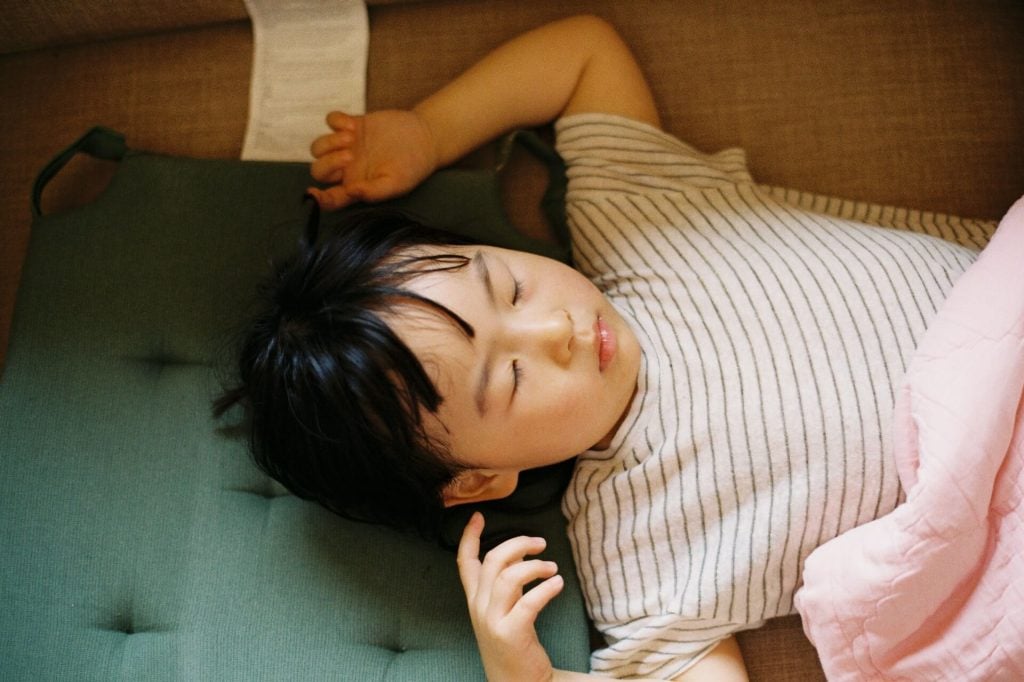
Odd sleeping patterns. Your child may start falling asleep in unusual ways, even sleeping on the floor.

But why does your child want to sleep on the floor, and how can you help your child sleep better?


Why Do Autistic Children Like to Sleep on the Floor?

You want your child to get the sleep that they need, but night after night you face endless challenges that are preventing this. Your child won’t lay in bed, they may constantly get up, and they may end up passing out on the floor. Somehow, they seem to sleep better there than they do on their bed. Why is this?

Sensory Processing Disorder

Many autistic children have sensory sensitivities and may have a sensory processing disorder (SPD). If your child has symptoms of SPD, it may mean that they are far more sensitive to stimuli than most people are not.

These symptoms may include thinking their clothes are too itchy or scratchy, lights are too bright, sounds are always too loud, food textures make them gag, and excessive clumsiness. They may not like touching or holding things, which prevents them from participating in activities.

SPD is currently not an official medical diagnosis, as it often appears alongside other diagnoses like severe anxiety, but that doesn’t mean that your child isn’t suffering from sensory overload.

Many autistic children struggle with sensory overload. SPD is often another aspect of autism that your child is feeling. This can mean at bedtime when you’re trying to tuck your child into their soft blankets, they are actually experiencing something incredibly uncomfortable.

The Bed Conundrum

There is likely nothing physically wrong with your child’s bed in a literal sense. However, to your child, that bed may feel like an itchy prison that’s constantly triggering their sensory overload. It may be that the bed is too soft, too squishy, or not smooth enough.

All of these sensory stimuli can prevent your child from getting the sleep they need, as they can’t overcome the feelings of being overwhelmed. 

The Floor Just Feels Better

At night, your child may sleep on the floor because it offers them the comfort that their bed doesn’t. The floor is smooth, cool, and hard, which can be easier for a child with SPD to deal with than a very soft bed.

It may be that your child’s bed gets too warm at night, and so they seek out the coldness of the floor to comfort themselves. Laying on the floor can also help them feel more connected and grounded.

If you’re struggling to get your child to go to sleep, there are some products on the market that can help your child feel more comfortable in their bed.

4 Products to Make Bedtime Smoother

Here are some products you can use to make your bedtime rituals easier.

The DreamPad Products

Companies like DreamPad offer a list of products to help your child fall asleep, from weighted blankets to white noise machines.

These products are designed with children in mind and are made to help relieve anxiety and dysfunctions that are preventing your child from getting the sleep that they need.

Fidget Toys

Your child may need something to do during bedtime to help their mind relax into a restful sleep. Using a pillow, like this one that has texture and small tasks which your child’s mind can focus on, can help them more naturally fall asleep.

Weighted Blankets

Weighted blankets are shown again and again to help anxiety. If your child has severe anxiety that gets worse when it’s time for bed, a weighted blanket can relieve these feelings. A small blanket, like this one made with children like yours in mind, can help your child relax at night before bed.

Bean Bags

Bean bags may be a great solution to a traditional bed at night. There are a wide variety of bean bags available online to suit any need or size.

A bean bag will help your child become accustomed to sleeping on a cushion, while also offering them the emotional and sensory comfort they feel being on the floor.

In Conclusion

Your autistic child may be suffering from myriad issues that are preventing them from getting a good night’s rest. By using some of the products we’ve recommended, you can start helping your child sleep better.

At Hidden Talents ABA, located right here in Atlanta, we understand the unique challenges autistic children face, especially when it comes to getting a good night’s sleep. Our team of Board Certified Behavior Analysts (BCBAs) can help you develop a sleep plan tailored to your child’s specific needs and sensory sensitivities. We offer free consultations to discuss these challenges and explore how we can help your child get the restful sleep they need to thrive.

Brushing Teeth for Children With Autism

Good oral hygiene is not only healthy but can also boost your quality of life. Unfortunately, many children with autism find this seemingly simple experience very challenging.

As a parent or caregiver, you have to guide them through this process and make it as pleasant as possible. First, let’s discuss why it’s challenging for a child with autism to brush their teeth.

Why is Brushing Teeth a Challenge for a Child With Autism?

Many children diagnosed with autism find tooth brushing a very unpleasant experience due to sensitivity issues. Medical professionals categorize these issues into two categories: hypersensitivity and hyposensitivity.

Hypersensitivity and Hyposensitivity

Hypersensitivity refers to heightened sensation and awareness of anything that goes in the mouth area. Children with hypersensitivity perceive tooth brushing as an over-stimulative and unpleasant experience when not performed correctly.

Hyposensitivity, on the other hand, refers to numbness or limited sensation in the oral region. Autistic children with hyposensitivity often feel anxious about the steps in the tooth-brushing process.

Whether a child is hypersensitive or hyposensitive, below are some tips that can make brushing his or her teeth easier.

Tips for Brushing an Autistic Child’s Teeth

1.      Get the Right Toothbrush

A regular toothbrush may feel unfamiliar or foreign for an autistic child with oral sensitivity. So, instead of a regular toothbrush, find one with soft or silicone bristles. A gentler toothbrush can help desensitize your child’s mouth, and in time, they will gradually grow accustomed to the sensation of having their teeth brushed.

2.      Get the Right Toothpaste

As an adult, you’ve had years to get used to mint-flavored toothpaste. Unfortunately, the same cannot be said for autistic children with sensitivity issues. In most cases, regular toothpaste causes a bitter or burning sensation in their mouths.

Fortunately, there is a wide variety of toothpaste with child-friendly flavors out there. You can choose flavors like vanilla ice cream, berry, and bubblegum. If your child likes experimenting with colors, you can also get them multicolored toothpaste.

3.      Try Fluoride-Free and Unflavored Toothpaste

In some cases, toothpaste’s flavor and foaming might cause sensory overload. So, instead of regular flavored toothpaste, go for unflavored and non-foaming toothpaste.

Since the major ingredient in foaming toothpaste is sodium laureth sulfate, your pediatric dentist might suggest a herbal or powder toothpaste as an alternative. Similarly, if your child has difficulty swallowing, it might help to start them off with a fluoride-free toothpaste before gradually transitioning them into fluoride toothpaste.

4.      Try Flossing

If your child doesn’t like using a toothbrush, flossing can also help them develop good oral hygiene. For the best results, let your child choose their favorite flavor. Apart from flavor, you should also consider the correct floss size.

If your child has widely-spaced teeth, then a thick floss would work best for them. Similarly, if your child’s teeth are closer together, consider getting them a thinner floss.

If flossing doesn’t work, try other toothbrush varieties. For example, if your child struggles to hold a toothbrush, try placing a foam grip or tennis ball on the handle to make it easy to hold. Electric toothbrushes also come in handy in providing stimulation for autistic children with hyposensitivity.

5.      Create Incentives/Awards

Verbal praises and reward systems work great in reinforcing positive behavior. Consider complimenting and rewarding your child once they’re done brushing their teeth.

6.      Do It in the Room Where the Child Is Most Comfortable

Autistic children can benefit from visual supports and schedules that help them associate toothbrushing with a daily routine. While you’re at it, consider the child’s favorite room and place all their designated toothbrushing supplies in that room.

The tips above will improve your child’s experience when brushing their teeth. Now, let’s look at how your child should brush their teeth.

The Correct Way to Brush Teeth

When you brush your child’s teeth, make sure to clean the outside, inside, and chewing surfaces. The following steps can guide you in properly brushing your child’s teeth.

  • Brush the top front teeth five times.
  • Brush the bottom front teeth five times.
  • Brush the bottom back teeth five times.
  • Brush the top back teeth five times (outside, inside, and chewing surfaces).
  • Brush the middle teeth five times (upper and lower incisors).
  • Finally, brush the outside surfaces of teeth and rinse.

Toothpastes to Try

In most cases, regular toothpaste doesn’t work well with autistic children with sensitivity. That being said, the following examples of toothpaste have shown some very promising results with autistic children.

  • Unflavored Toothpaste Oranurse – Oranurse is an unflavored toothpaste that’s specially formulated for autistic children who have a problem with taste. This non-foaming toothpaste has the daily recommended fluoride and does not contain any traces of sodium lauryl sulfate. This makes it especially suitable for autistic children who don’t like the taste of mint and also patients with sore mouths.
  • Bob Unflavored ToothpasteIf your child does not like the taste of mint, then this might be the best toothpaste for them. This flavor-free toothpaste is made from natural xylitol and does not contain any harsh chemicals. Like our previous pick, this toothpaste also comes loaded with the recommended daily fluoride levels to provide the best cavity protection, tartar control, and enamel repair. It also comes in eco-friendly packaging.
  • Jack N’ Jill Natural Kids ToothpasteThis toothpaste features a mild taste that makes it suitable for children who tend to swallow their toothpaste instead of spitting it out. It’s made from 100% natural ingredients like xylitol and calendula, which help actively prevent cavities and tooth decay. It also provides a soothing effect on the mouth and is gluten-free, fluoride-free, and SLP-free.

Best Toothbrushes for Autistic Kids

Finding the best toothbrush for your autistic kid can be pretty daunting. To make your shopping experience a little easier, we’ve reviewed two of the best toothbrushes for autistic kids.

  • bA1 Sensory – This three-sided toothbrush has a 200% greater coverage per stroke and comes with very soft bristles to prevent sensory overload. The special expansion pleats allow the bristles to expand to different tooth widths, making it perfect for kids with oral motor issues. It also comes with an ergonomic handle that makes it very easy for kids to hold.
  • CollisCurve™ – Special Needs ToothbrushIf you want to provide the best toothbrushing experience for your autistic kid, then you should probably get them a toothbrush that’s specially designed for sensitive gums. This toothbrush features flexible and gentle bristles that are sure to reach all your child’s teeth without causing them any discomfort. It also comes equipped with expansion pleats that allow the bristles to expand to different tooth widths for a deep clean.

·         Happi Teeth Auto Toothbrush – If your kid doesn’t like their regular toothbrush, why not switch it up with an automatic toothbrush? This automatic toothbrush is guaranteed to make their toothbrushing experience more fun. It comes in a hand-less design, which means they don’t have to hold it when brushing their teeth. All they have to do is place it in their mouth, and it will do the rest.

Unlike most toothbrushes in the market, this toothbrush doesn’t use bristles to clean teeth. Instead, it utilizes ultrasound technology which eliminates the sensory effects associated with regular toothbrushes. Its ultrasound technology also enables it to reach all parts of the mouth, providing a deep-clean action that actively eliminates plaque and bad breath.

The Bottom Line

Mouth sensitivity among autistic children makes it very hard for them to practice proper dental hygiene. But, with the proper technique, coupled with the right tools for the job, you can make your child’s toothbrushing experience both fun and effective.

For autistic children who struggle with sensory issues, having their hair brushed may be extremely challenging, leading to angry outbursts and meltdowns. Below, we list some techniques that you can use to make hair brushing a more enjoyable experience for your child with autism.

Why Is Brushing Hair a Challenge for a Child With Autism?

Many children with autism have a condition known as sensory processing disorder. This condition can make personal care tasks, including brushing and styling their hair, very difficult. 

What is sensory processing disorder?

Sensory processing disorder (SPD) is a type of neurological disorder that prevents the brain and nervous system from correctly integrating sensory input from the environment. There are two types of sensory processing issues: under-sensitivity and oversensitivity.  

Some children with SPD are under-sensitive (hyposensitive). They show little or no reaction to sensations like heat, cold, and pain and often seek more sensory stimulation. Other children are oversensitive (hypersensitive) to the information they receive through their senses, causing them to avoid these sensations. For a hypersensitive child with sensory processing disorder, loud noises, bright lights, and touch can feel overwhelming.

Most children with autism spectrum disorder experience a mix of the two sensory issues. They are hyposensitive to certain sensations and hypersensitive to others. 

What senses are affected?

Sensory processing disorder can affect one or more senses that may cause your child to struggle with having their hair brushed.

Tactile

Many children with sensory issues have very sensitive scalps and don’t like to have their heads touched by brushes or combs. Tactile sensitivity is the most common reason for problems with hair care in autistic children.

Vestibular

The vestibular system controls the body’s sense of balance and motion. Some children don’t like having their heads tilted backward or forward when you brush their hair. It can make them feel uncomfortable, unsteady, and scared.

Auditory

Some autistic children are extremely sensitive to the sound of clippers or water in a shower.

Olfactory

Your child may react to the smell of hair products, which makes the hair brushing experience unpleasant.

Here are some tips on how to make hair brushing less stressful and slowly integrate it into your child’s daily routine. 

Tips for Brushing an Autistic Child’s Hair

  • Determine the cause of your child’s aversion to hair brushing. Once you understand what your child’s main sensory issues are, you will be able to eliminate the causes of stress. 
  • Accept that your child’s resistance to hair brushing doesn’t mean they’re being difficult. There might be a real sensory issue that is causing them pain or discomfort.
  • Give your child more control, for example, allow them to choose hair products and let them brush and style their own hair.
  • Don’t expect your child to sit still while you brush and style their hair. Let them play with a fidget, stress ball, or watch TV as a distraction.
  • Let your child look at the mirror while you’re brushing their hair to give them a greater sense of control.
  • Choose a low-maintenance hairstyle for your child that will require less brushing.
  • Children with a sensory processing disorder depend on a reliable routine. Try to brush your child’s hair at the same time each day. It’s usually a good idea to do this after physical activity later in the day as children are often more sensitive in the morning.
  • Make a visual schedule to break down hair brushing into smaller steps. This will also help your child understand what is expected from them.
  • Use a visual timer to let your child know how long brushing their hair will take.
  • Many autistic children are sensitive to gentle touch. Make sure to place your hand firmly at the top of your child’s head and brush small sections of the hair at a time. Hold a strip of hair above any tangles so that your child doesn’t feel the tugging as you pull the tangle loose. 
  • Massage your child’s scalp before you start brushing their hair. This can help decrease sensitivity.
  • If your child doesn’t like having their hair brushed, you may try switching to a brush designed for children with sensory issues. The hairbrush should have soft bristles with rounded heads to make the experience more comfortable. Let your child choose a brush that feels good.
  • Use a good-quality hair detangling product to reduce discomfort. 

Keep on reading to find out what are the best brushes and hair detanglers for children with autism. 

Brushes for Children With Autism

Tangle Teezer Salon Elite Detangle Hairbrush

This professional detangling brush with memory flex technology can be used for all hair types. It eliminates tangles and knots on both wet and dry hair and minimizes breakage. 

Tanglefix

Tanglefix is perfect for brushing and detangling straight, wavy, and curly hair. This brush is lightweight and features soft bristles and easy-grip sides for better control. 

Knot Genie Detangling Brush

Knot Genie lets you easily brush and detangle your child’s hair. Its cloud-shaped top will fit your palm perfectly whether you’re right or left handed to make the brushing process more comfortable.

Hair Detanglers for Children With Autism

Johnson’s No More Tangles Spray Detangler

Johnson’s mild detangling spray instantly unlocks knots and tangles, making hair brushing and styling easier. The product can be used on wet or dry hair. It is hypoallergenic and contains no parabens, phthalates, sulfates, or synthetic colors.

SoCozy Detangler Leave-In Conditioner Spray For Kids Hair

SoCozy detangler will soften your child’s hair in a matter of seconds, making it easy to brush. It is suitable for all hair types and will leave your child’s hair soft and shiny. This detangler contains keratin, soy protein, and kiwi extract to moisturize and protect the hair. It has no parabens, sulfates, phthalates, dyes, or allergens. 

Mane ‘n Tail Detangler The Tangles and Knots Solution

The Mane ‘n Tail detangler is formulated with natural herbal extracts to help nourish and strengthen your child’s hair. It’s safe and gentle for all hair types.

Most of us think of taking a bath as a relatively relaxing experience, but for someone who is sensitive to stimuli, there’s actually a lot going on.


When parents bathe their autistic children, they face a variety of challenges. Below we’ll discuss why that is and what parents can do to make bath time with an autistic child a more pleasant experience for everyone.


What is autism?

Autism, or autism spectrum disorder (ASD), is a developmental disability. However, the reason it’s referred to as a “spectrum” disorder is because there is a wide variety of conditions that fit into this category, and some cases are more severe than others.


In general, autism is often characterized by delays in social development, communication issues, repetitive behaviors, and challenges related to interacting with the outside world.


According to the Centers for Disease Control, autism affects an estimated 1 in 54 children in the United States today.


Why may someone with autism have a bathing issue?

When a child is diagnosed on the autism spectrum, you may have trouble interacting with them. Characteristics of autism that can lead to challenges while bathing a child, specifically, include:

          Their likeliness to get upset by minor changes

          Their desire to follow specific routines

          Physical reactions such as hand flapping and body rocking

          Unexpected (and often unpleasant) reactions to the way things sound, smell, taste, look, or feel

          Their hyperactive and impulsive behavior


But the main challenge for children on the autism spectrum when it comes to bath time is their reaction to physical stimuli. An autistic child may find bath time traumatic, which in turn makes it hard for whoever is bathing them.


Heightened sensory issues

Children on the autism spectrum are often overstimulated during bath time. This may be because they do not enjoy the sounds and feelings associated with being in the bath or the need to sit still during their discomfort.


Some of the things that may affect them negatively include: 

            – Splashing or running water

            – Water temperature

            – Bathroom lights

            – The smells of soaps or shampoos

            – The feeling of soap on their skin

            – The feeling of being towel-dried or wrapped in a towel

            – The feeling or fear of getting soap in their eyes

            – The sound of water draining


As a result of these negative feelings, children may develop a fear of water. They may also get anxious about getting out of the tub and being exposed to the cold air or slippery surfaces.


A bathtub is a relatively confined space, which can lead to feelings of claustrophobia as well.


Tips for bathing someone with autism

The best way to make bath time more enjoyable (or at least less traumatic) for everyone is to limit a child’s exposure to potential fears as much as possible and play to their strengths.


Pick a time that works for them

Children on the autism spectrum generally like routine. If bath time happens at the same time and in the same way each day, there may be less room for anxiety over the unexpected.


It may also be wise to schedule bath time a few hours before or after other stimulating activities so the child is already calm and not overstimulated. 


Prepare the bath in advance

If your child is sensitive to sounds, fill the bathtub without them in the room. You may also keep in mind the height at which they prefer the water. Some children do not like to be submerged more than is necessary.


You can also perform a temperature check so you know the bath water will not be too hot or too cold for the child and cause them extra discomfort.


In addition, if you prepare a child’s bath ahead of time, you will have the chance to remove any items (such as toys or excess bottles) that might cause them anxiety.


Make a to-do list

Uncertainty on the part of the parent or child makes bath time more difficult. That’s why it may be helpful to make a list of everything you need to do in order to prepare your child for bath time.


In the event that another guardian is bathing them, having a list will help them keep bath time as consistent as possible for your child as well.


Minimize fragrances

Most fragrances are artificial anyway, so a fragrance-free bathroom might be in everyone’s best interests.


Children on the autism spectrum can react poorly to strong or new smells, so it’s a good idea to minimize fragrances by doing the following:

          Eliminate air fresheners or other scented decor from the bathroom your child uses for bath time

          Invest in soaps and shampoos that are fragrance-free


Decide if a shower or bath is better

In some cases, a shower may be a better option than a bath for a child on the autism spectrum. It will all depend on the individual and how they respond to the feeling of water on their skin.


Try both a bath and shower with your child, making sure you use a routine, pay close attention to water temperature, and eliminate as many scents as possible before deciding which they respond to best.


Toys for bath time

Some autistic children are easier to bathe when they are distracted by toys. Here are a few bath tub items to try:


Sensory sponges – This 14-piece sponge set is practical and playful. The different textures will allow your child to choose what they enjoy most. Click here for purchase information.


Bath crayons – These easy-wash crayons are a great distraction for children who don’t enjoy bath or shower time, but do love to get creative. They let your child focus on something more pleasant so bath time is over before they know it. Click here for purchase information.


PipSquigz – This silicone suction toy is designed to get your child to notice it rather than their surroundings. They can provide a soothing sensory experience for younger children. Click here to purchase.


Shampoo, body wash, and conditioner for autistic children

It’s important to choose cleansing items carefully for your autistic child to eliminate any unwanted smells or textures. Here are a few recommended items for bath or shower time:


Nature Clean Kids Shampoo & Body Wash – A two-in-one product that is hypoallergenic, fragrance-free, natural, and non-irritating.


Suave Sensitive Skin 3-in-1 Shampoo, Conditioner, Body Wash – This product takes care of all 3 bathing necessities in one bottle. It’s also fragrance-free.


Babo Botanicals Sensitive Baby Fragrance Free Shampoo & Wash – This two-in-one product is also formulated for sensitive skin and senses. 

Although there’s no cure for autism spectrum disorder, a range of therapies can help reduce the most common symptoms associated with the condition. However, early diagnosis and interventions are crucial for achieving long-term positive effects on skill development. Continue reading to find out what types of early autism solutions are available and how they can help autistic children reach their full potential.

What Type of Therapy Do Autistic Children Need?

Most therapies for children diagnosed with autism spectrum disorder are based on either a behavioral or developmental approach. The two approaches are often combined and used in speech, occupational, physical, and social development therapies, depending on the child’s individual needs.

Behavior therapies

Behavior therapies, generally referred to as applied behavior analysis (ABA) therapies, are used to help children with autism learn new skills, reinforce positive behaviors, and reduce unwanted ones. 

Techniques typically used in behavioral therapies include:

  • Discrete Trial Training (DTT), a technique that breaks down skills into smaller components that are easy to learn. 
  • Early Intensive Behavioral Intervention (EIBI), a comprehensive instruction method used for autistic preschoolers. 
  • Pivotal Response Treatment (PRT), a play-based treatment initiated by the child.
  • Joint Attention, Symbolic Play, Engagement, and Regulation (JASPER), the approach that identifies and treats the principal deficit areas in autistic children.

Developmental therapies

Developmental therapies help promote social interactions by teaching the necessary social, communication, and daily living skills. 

Examples of developmental therapies include:

  • Developmental Social-Pragmatic (DSP) treatment, a model that uses everyday interactions between autistic children and the caregiver in order to promote communication skills.
  • Developmental and Individual Differences Relationship (DIR) therapy, also called Floortime, that builds on strengths, interests, and already existing communication skills to motivate autistic children to learn new skills.
  • Relationship Development Intervention (RDI), a family-centered approach designed to build relationships through sharing various emotional and social experiences.
  • Responsive Prelinguistic Milieu Teaching (RPMT), an intervention for autistic children who are nonverbal or who have significant speech delays.

Combined therapies

Certain therapies for autism combine elements of behavioral and developmental approaches. These therapies are often shown to be the most effective ones. For example, behavioral therapy may show better results if it also includes elements of developmental therapies that focus on learning skills.

Combined therapies include:

  • Early Start Denver Model (ESDM), a play-based therapy that helps develop social communication in children with autism.
  • Communication, Emotional Regulation, and Transactional Support (SCERTS) that uses elements from several other approaches, including ABA, Floortime, and RDI. 

Therapy-based supports

Therapy-based supports for autistic children target specific difficulties when it comes to development or communication skills. They are often used together with, or as part of, other therapies and include: 

  • Speech therapy that addresses challenges with language and communication
  • Occupational therapy that helps develop fine motor skills and daily living skills
  • Key Word Sign strategy, the use of signs and gestures to support language development
  • Picture Exchange Communication System (PECS) which allows communication through pictures.

Below, we focus on the benefits of ABA therapy for children with autism. 

What Is Aba Therapy?

Applied behavior analysis (ABA) is the most popular therapy for autism offered in early childhood. It focuses on changing unwanted behaviors while reinforcing desirable ones through positive reinforcement in the form of rewards and other incentives. 

ABA therapy can help your child with autism build and strengthen social and communication skills, such as:

  • Increase attention, focus, and memory
  • Learn to follow directions and instructions
  • Improve language skills 
  • Learn to initiate conversations and respond to questions
  • Help understand social cues like facial expressions and body language
  • Reduce problematic behaviors such as aggressivity and meltdowns
  • Help acquire basic academic and pre-academic skills.

Read on to find out more about the different types of early intervention therapies. 

What Is Considered Early Intervention Therapy?

Early interventions take place at or before preschool age. An early intervention therapy can be used already at the age of 2 or 3, as soon as your child is diagnosed with autism spectrum disorder. At this age, your child’s brain is still forming, which increases the chances of treatments being effective in the long run.

There are several different types of early intervention therapies that can help your child gain the basic physical, cognitive, communication, and emotional skills that they would typically learn in the first years of life. These therapies include:

  • Occupational therapy
  • Physiotherapy
  • Speech therapy
  • Hearing impairment services
  • Nutritional therapy
  • Psychological therapy
  • Family training.

Autistic children often benefit from a combination of these therapies. In addition, they often need different therapies or therapy combinations at various stages of their development.

We’ve seen that there are many effective treatments that can help reduce autism symptoms, but you may be wondering whether early treatment increases the chances that your child will outgrow autism. 

Can Early Autism Go Away?

Autism spectrum disorder is typically considered a lifelong condition, although research shows that some children can outgrow a diagnosis. However, children who are likely to see radical improvement are those with normal or above normal IQ and mild autism symptoms that don’t include issues such as seizures, speech delays, learning disabilities, or severe anxiety

And that’s not all. Results can only be achieved with rigorous long-term therapy. For example, ABA-based early intervention requires up to 40 hours of treatment per week for several years before you can see a significant improvement.  

It is also important to keep in mind that even high functioning children who appear to outgrow autism often continue to struggle with sensory issues, communication difficulties, and other challenges.

Does Medication Help Autism?

Medication can’t cure autism, but it can effectively treat symptoms that autistic children may experience, for example:

  • Stress and anxiety
  • Hyperactive behavior
  • Obsessive compulsive behavior
  • Aggressive behavior
  • Self-harming behavior
  • Seizures
  • Tics
  • Sleep disorders.

Medications that are used to treat these symptoms include:

  • Typical antipsychotics (haloperidol, chlorpromazine, and fluphenazine) and typical antipsychotics (risperidone and aripiprazole) for reducing autism-related irritability 
  • Stimulants (dexamphetamine and methylphenidate) for a temporary increase in mental or physical functions.

Medications for treating symptoms of autism are most effective when combined with behavioral or developmental therapies.

ABA therapy as an early autism solution

Applied Behavior Analysis (ABA) is a widely recognized therapy for children with Autism Spectrum Disorder (ASD). It involves understanding how behavior works, how it is affected by the environment, and how learning takes place.

Early intervention using ABA therapy has been found to be particularly effective. Many studies have shown that early intervention can greatly increase the effectiveness of the treatment.

ABA therapy programs aim to increase language and communication skills, improve attention, focus, social skills, memory, and academics while decreasing problem behaviors. Several studies have also shown that early immersion in ABA therapy leads to improved language and communication skills.

Pediatric ABA therapy is an early intervention program designed to help young children who experience delays in pivotal developmental skills. Individualized behavioral and educational treatment plans are provided to children with ASD, and services can be offered in the child’s natural environment.

The importance of early intervention in autism is well-documented. With hundreds of peer-reviewed studies, ABA has become the standard of care for early intervention treatment of ASD. Ivar Lovaas, a pioneer in developing ABA therapy, proved that early intervention and intensive behavioral therapy enabled children with autism to achieve success.

In conclusion, ABA therapy is considered a leading approach in treating children with autism, especially when initiated early. It provides personalized, high-quality, and effective treatment to meet each child’s unique needs.

If your son or daughter has autism, safety is constantly on your mind. You want others to know about the diagnosis, and you want to ensure that medical providers have any needed information during emergencies. You can accomplish this by having your son or daughter wear an autism bracelet.

A kid wearing autism bracelet

What Is an Autism Bracelet?

An autism bracelet is essentially a medical ID for people who are on the spectrum. The bracelets quickly communicate that the wearer has autism. Plus, the bracelets can contain:

  •       Emergency contact information
  •       Medical information

These bracelets might sound simple, but they are very important.

Why Are Autism Bracelets Important?

By wearing an autism bracelet, your child will alert others that he or she is on the spectrum. This is especially beneficial when your child is out in public without you or the other parent. When others realize your child has autism, they can interact accordingly. This makes it much easier for your child to get the support needed in public.

Autism bracelets also contain vital medical information. If your child has a medical emergency, healthcare providers can use the bracelet to learn about allergies and more. Thus, your child will get the necessary care, even if he or she cannot communicate. This can mean the difference between life and death in some situations.

In addition, the bracelet makes it easy for others to contact you. If your child does have an emergency, a witness or first responder can call you so you can tend to the situation.

Due to these important benefits, you’re likely considering buying an autism bracelet for your child. First, we’ll go over some tips for making a purchase. Then, it will be much easier to get a bracelet that will protect your son or daughter.

Tips for Autism Bracelets

If you’re new to the world of autism bracelets, you probably don’t know where to begin. First, let’s look at some basic tips to consider when shopping for these bracelets, starting with purchasing one your child wants to wear.

Buy One Your Child Wants to Wear

An autism bracelet can only help if your child wears it. Thus, it’s important to choose one that your son or daughter wants to wear.

This often comes down to colors. Children are more likely to wear a bracelet in a color they like. You can also have your child help you pick out the bracelet to ensure he or she likes it. Then, your son or daughter will get excited about putting it on each day. It will be a fun accessory instead of a medical alert bracelet.

Get It Personalized

Also, get the autism bracelet personalized. Include important information, such as your child’s name and an emergency contact number. Also, you can list medical conditions, such as allergies.

Finally, you can add a fun tidbit when personalizing the autism bracelet. For example, if your child loves a certain character, add it to the bracelet. That can come in handy when others are trying to connect with your son or daughter. This can also help calm your child down in public situations.

name bracelet

Buy a Few in Case They Get Lost

No matter how careful you are, you could lose the autism bracelet. Because of that, it’s important to purchase several so you’ll have backups.

If your child only likes one color, you can buy several in the same color. However, if your son or daughter likes to mix things up, choose different colors to provide a selection.

Next, let’s look at the best brands of autism bracelets. Then, you can take the next step and order a bracelet for your child.

Best Brands of Autism Bracelets

The market is full of autism bracelets, so the question is, which brand is the best? There are actually three solid choices you can choose from when shopping for these brands. Let’s look at each one, starting with Alert Me Bands.

Alert Me Bands

Alert Me Bands is probably the most popular manufacturer of autism bracelets. There are tons of designs to choose from, allowing wearers to show off their personal styles. This includes bracelets with autism puzzle pieces or ribbons, which can serve as an obvious indicator of the wearer’s autism.

Once you choose the bracelet you want, you can select the color and add up to four lines of text. While the text is often used for emergency contact information, you can also add medical information, as we mentioned earlier.

Also, these bands are adjustable, so people of all wrist sizes can wear them. Plus, you don’t have to worry about your son or daughter taking it off. While you can easily take the band on and off, you also have the option to childproof it. Then, your child won’t be able to remove it without your help.

Medical ID Fashions

Artist and cancer survivor Abbe Sennett designs and creates autism bracelets and then sells them under the name Medical ID Fashions. She designs “unremovable” autism bracelets, meaning that two hands are needed to take the bracelets off. Thus, your child cannot remove the bracelet without assistance.

The bracelets are fashionable, so kids enjoy wearing them. At the same time, they contain all the relevant information on the ID tag. The ID tag has four customizable lines, so you can include emergency contact information, medical information, and more. You can even use one of the lines to add a fun fact, such as that your child loves Spiderman. 

The ID tag hangs off the bracelet and is clearly visible. Just like the bracelet itself, the ID tags are available in various options. All are oval-shaped, but you can choose from different colors so your son or daughter can find something that fits their personal style. Some children choose to wear the same style of bracelet every day but like to switch up the ID tags from time to time.

MedicAlert ID

You likely think that MedicAlert bracelets are just for elderly people. While the elderly population certainly benefits from these bracelets, they are available for people with autism as well.

As with the bracelets from the other brands, you can use this bracelet to communicate your child’s condition and medical needs. Also, you can add emergency contact information.

When you enroll your child or other loved one into the MedicAlert program, you’ll also benefit from the 24/7 Wandering Support Program. This means if your loved one wanders away and cannot be found, the MedicAlert Foundation will work with law enforcement and others to locate the individual. This can provide peace of mind if your child tends to get lost.

There are numerous options for bracelets, and you can even get dog tags if you wish. With so many choices, it’s easy for kids to find something they’re excited about wearing.

kids gathering | Best brands of autism bracelets

Choose an Autism Bracelet Today

Now is the ideal time to purchase an autism bracelet. Remember, select one that your child will like, get it personalized, and buy a few in case you lose any of them. Also, consider purchasing the bracelets from a top brand so you will get the customization options and features necessary to protect your child.


A behavior support plan (BSP) identifies positive skills and strategies that can help reduce problem behaviors, based on the findings of a functional behavior assessment. In this article, you’ll learn more about how behavior support plans are used to manage challenging behaviors and replace them with appropriate ones.

What Is a Behavior Support Plan?

A behavior support plan (BSP) is a formal written guide intended for teachers, parents, and other individuals working with a child who displays a problem behavior. The plan outlines the strategies that can be used to teach the child new, positive ways to meet their needs in the classroom and at home. 

A BSP has two goals: to reduce or stop unwanted behaviors and to increase appropriate behaviors. In order for a BSP to be effective, the alternative behavior must serve the same function as the problem one, but it must be easier to do, more efficient, and socially acceptable. 

A behavior support plan relies on the information gathered through functional behavior assessment (FBA) to propose new skills, changes in the child’s environment, and reinforcements that need to be implemented in order to reduce the misbehavior. It can include measures such as creating an alternative schedule, allowing early entry to class or activity, or sitting near the teacher, for example. 

Parts of a behavior support plan

Behavior support plans typically consist of the following parts:

  • Definition of the challenging behavior
  • Interventions needed to replace and reduce the unwanted behavior
  • Plan for teaching and reinforcing new skills
  • Evaluation plan

Definition of the challenging behavior

The definition of the challenging behavior summarizes the findings of the functional behavior assessment. The behavior is described using clear language and the plan lists its antecedents and consequences, in other words, what typically occurs before and after the disruptive behavior.

This part of the plan also includes a hypothesis on why the child engages in the problem behavior and what is its function. Understanding the reasons behind the unwanted behavior will allow for developing adequate strategies to minimize or replace those behaviors.

Interventions needed to reduce and replace unwanted behaviors

An intervention plan indicates the skills or behaviors that should be taught to the child or the changes that can be done in the child’s environment, activities, or personal support to replace the negative behavior. The intervention plan is based on the information gathered during the functional behavior assessment stage.

Plan for teaching and reinforcing new skills

This section of a behavior support plan documents the ways an intervention and individualized support will be implemented within a child’s daily routines in school and at home. The plan needs to be appropriately tailored to the child’s individual needs and abilities. In addition, it must set reasonable and realistic measurements for success.

Evaluation plan

An evaluation plan includes: 

  • A short-term goal based on the child’s current performance
  • A long-term goal that focuses on increasing desired behavior
  • Specific procedures that will be used to evaluate progress
  • Data that will be collected to verify whether the plan was implemented correctly and whether it is having an impact on the child’s behavior
  • A specific date for progress review. 

Both short-term and long-term goals need to be written in specific, measurable terms and indicate how the team will know when the child reaches the goal. 

Prevention strategies

Prevention strategies are designed to reduce the likelihood of problem behavior occurring in the future. After implementing these strategies, the child will no longer feel the need to engage in the problem behavior to have his or her needs met. 

Replacement skills

Replacement skills are appropriate behaviors that serve the same function as the challenging behavior and can replace them. For example, a child that reacts negatively to loud noises can learn a more appropriate way to respond, such as going to a safe place or using noise-canceling headphones.

The purpose of replacement skills is to make the behavior of concern ineffective, so that the new behavior becomes a more efficient way to meet the child’s needs. A behavior support plan should explain in detail how the team is going to teach this replacement behavior.

Consequence strategies

Consequence strategies are guidelines on how adults working with the child are expected to respond to problem behaviors. These strategies include positive reinforcement and minimizing reinforcement for problematic behavior.

Positive reinforcement

Positive reinforcement is a reward for the child’s use of new skills or appropriate behavior. Positive behavior should be reinforced immediately and consistently. What’s more, it needs to serve the same function as the negative behavior. 

Minimizing reinforcement for problematic behavior

In addition to positive reinforcement, the response to problem behavior includes: 

  • Redirecting the child to the alternative behavior, for example, immediately reminding the child what would be considered a positive behavior in the given situation.
  • Extinction of the problem behavior, that is, not allowing the behavior to “pay off” for the child. In this case, the teacher should minimize the attention and limit any verbal interactions when the child engages in challenging behavior. Extinction of the interfering behavior should always be combined with positive reinforcement of appropriate behaviors.

Long term strategies

This section of the behavior support plan indicates the long-term goals that will assist the child and family in meeting behavior targets. It also describes the ways to reach those goals.

A behavior support plan consists of multiple steps. Read on to find out what they are. 

Steps of a Behavior Support Plan

The behavior support process involves the following steps:

  • Define the interfering behavior that needs to be reduced or replaced
  • Outline the antecedent, consequence, and function for the problem behavior 
  • Explain possible causes of the behavior and provide reasoning to justify it
  • Develop a plan that suggests actions that will prevent the unwanted behavior
  • Identify the skills that need to be taught to replace the behavior 
  • Identify short-term and long-term goals for a new behavior or behavior modifications 
  • Create an intervention procedure to achieve these goals
  • Implement the plan consistently across different settings and environments (school, home)
  • Monitor and evaluate the progress of the plan and development of new, positive skills.

Below, we explain the importance of functional behavior assessment in creating an effective behavior support plan. 

Functional Behavior Assessment

The first step in creating a behavior support plan is a functional behavior assessment. 

A functional behavior assessment (FBA) is a process of identifying the behavior that interferes with a child’s ability to learn. It is typically used when habitual school interventions are not effective in controlling the behavior. The FBA is based on the belief that problematic behavior serves a specific purpose. An FBA attempts to look beyond labeling an unwanted behavior as simply being bad and determine what functions that behavior may be serving. 

The main reason for conducting a functional behavior assessment is to understand the relationship between the inappropriate behavior and the environment in order to determine what is causing the challenge. Understanding why a child behaves in a certain way is the starting point for developing suitable strategies for improvement.

An FBA results in a theory about the functions that the behavior serves and a targeted intervention plan—a behavior support plan—for an alternative behavior that will not interfere with the child’s education. The plan focuses on positive outcomes that can help build a better relationship between the child, the teacher, and the family.

A functional behavior assessment can be conducted by a licensed behavioral specialist, a school psychologist, or a teacher. The school counselor and other staff who work with the child may also be involved in the process. Finally, as a parent, you will have a crucial role in advocating for a fair FBA for your child and creating a behavior support plan.

Keep reading to learn more about building a behavior support team. 

Building a Behavior Support Team

A behavior plan is not written by only one person or an expert. To be effective, the plan needs to be developed by a team of individuals who work together to find strategies that will help replace negative behavior with a positive one. This cooperation will allow the team members to focus on the task, establish accountability for completing the plan, and ensure communication and consistent implementation of the interventions. 

The behavior support team can include anyone who is involved in the child’s life. In addition to the child’s parents and educators, it may also involve family members, friends, therapists, and other instructional or administrative personnel. Team members will collaborate in different ways to develop and implement a suitable behavior support plan.

A collaborative approach is one of the key features of positive behavior support for children with problem behaviors and their families. It is particularly important for children whose challenging behaviors occur in multiple settings, for example, at home, at school, during therapy visits, and so on.

Parents’ role in developing and implementing a BSP

As a parent, you should be involved in each step of developing a behavior support plan for your child. In order for the plan to be effective, it is necessary to monitor the child’s behavior not only at school but also at home. At the same time, the school should keep you updated on your child’s progress and provide you with the necessary tools to reinforce the BSP at home.

Person-Centered Planning

An essential part of ensuring an effective behavior support process is to set up a person-centered plan. As mentioned above, the plan is written by a team consisting of family, teachers, caregivers, and other community members who are brought together to discuss their goals for the child. It is crucial that the team’s planning process is focused on the child’s behavior goals.

Besides, the child should be involved in the planning process as much as possible. He or she may be able to offer their own views on the problem and suggest what can be done to solve it. This process not only helps the child to feel included, but it is also a good way to make sure the strategies developed are specific to their needs.

Another crucial success factor of a behavior support plan is appropriate monitoring. Here’s why. 

Monitoring Behavior Support Plans

A behavior support plan is an active document that needs to be consulted and reviewed on a regular basis in order to be effective. Monitoring a BSP is a twofold process that includes: 

  • Monitoring changes in problem behavior, and
  • Monitoring the achievement of new skills and lifestyle outcomes.

The key to successful monitoring is frequent collection of data that describes when, where, and who implements the plan but also to how the plan is being implemented and whether or not the same intervention steps are followed each time. Direct and indirect measurements, such as rating scales and check sheets, should be done in order to:

  • Document whether the plan is implemented with consistency
  • Whether the plan is effective in achieving the identified goals
  • Whether the replacement skills are maintained over time, and
  • Whether the new skills can be applied in a variety of contexts or settings. 

The behavior support team should periodically review the collected data to ensure good communication, make any adjustments if needed, as well as to review progress in the context of the long-term vision for the child’s development.

Data collection for the purpose of monitoring progress is simpler and less extensive than it was in the functional behavior assessment phase. Once the BSP is in place, the data only needs to indicate whether the behavior is staying the same or changing. The team has to track the frequency, duration, and intensity of the behavior. In addition to collecting the data regularly, it is necessary to analyze the information and verify whether there is any improvement in the child’s behavior.

In the next section, we provide useful tips for writing and implementing behavior support plans.

Tips for Behavior Support Plans

Replacing a challenging behavior

  • When your child displays unwanted behavior, you should always first rule out health issues such as acute illness, pain, or discomfort before proceeding with functional behavior assessment and creating a behavior support plan.
  • Keep in mind that all challenging behaviors serve a specific purpose, function, or fulfill unmet needs.
  • The meaning and purpose of behavior may sometimes be difficult to determine. In some cases, it will take lots of time and patience before the team can gain a good understanding of the behavior.
  • The purpose of a behavior support plan is not to show how the child should change his or her behavior, but to outline the steps that will be taken by the members of the team to modify the environment and teach the child new skills. 
  • It is important to address the interfering behavior immediately as it happens so that the child can successfully change the habit.

When a BSP isn’t working

  • Make sure the chosen interventions provide an alternative way to accomplish the function of the problematic behavior. 
  • If the proposed plan is not working and the behavior doesn’t improve, there may have been a misunderstanding of the reason or function behind the targeted behavior. In this case, the implemented strategies won’t be effective. 
  • Some behaviors have been present for a long time and changing them may take a lot of reinforcement and encouragement.
  • If a behavior support plan is not working, the team should document the interventions that are ineffective and look for other alternatives.

Writing an effective BSP

  • Behavior support plans should be kept as simple as possible. Simple plans are easier to implement, evaluate, and are often the most effective.
  • The interventions in the plan should include enough detail so that the team members are able to understand and implement the proposed strategies.
  • It is better to implement just a few carefully selected interventions with confidence than to list many strategies that will not be used consistently.
  • It is better to start slow and gradually build on success than to set unreasonable expectations.
  • Behavior support plans must be person-centered and specific to each child. In other words, each behavior support plan must be unique. What works for one child won’t necessarily work for another.

Reviewing the plan

  • A behavior support plan should be reviewed and updated regularly, approximately every six weeks. As your child grows, his or her behavior will change and it will be necessary to make adjustments to the plan to target new problem behaviors.
  • Decide the review date for a BSP at the time of writing the plan. It can be reviewed sooner if needed, but deadlines will increase the chances of the plan being effective.
  • If there’s new information or if the child needs a change, the plan should be adjusted as needed.
  • If the child changes environments, new information should be gathered to determine if and how the behavior was affected, and whether the team should consider new strategies.
  • Failure to update the BSP on a regular basis, especially when it comes to rewards and reinforcements for appropriate behavior, could cause the child to relapse into unwanted behavior.

Conclusion

The Atlanta Autism Network reports a growing number of children diagnosed with Autism Spectrum Disorder (ASD) in the area. Behavior support plans, created with the help of qualified professionals like those at Hidden Talents ABA, can be instrumental in helping autistic children develop positive coping mechanisms and manage challenging behaviors. The Atlanta Autism Network also offers support groups for parents navigating the complexities of raising an autistic child. Remember, positive reinforcement is key for autistic individuals! Earning quiet time in a sensory room or engaging in a favorite hobby like building Legos can be a powerful motivator for good behavior

Social skills are the ability to behave in an acceptable way in social situations, for example, knowing how to interpret body language, emotional cues, and facial expressions. However, even basic social interactions are often challenging for children with autism. Social skills worksheets are a useful tool that can help autistic children become more aware of themselves and the people around them. Keep on reading to find out more about the different types of social skills worksheets and how they may be helpful for your child with autism. 

Why Are Worksheets Helpful for People with Autism?

Social skills are the skills used to communicate and interact with others. They can be either verbal (language) or nonverbal (facial expressions, body language).

Social skills and autism

One of the main signs of autism is a lack or delay in social skills. For example, an autistic child might take another child’s toy without asking for permission, refuse to wait for a turn, or avoid making eye contact. Failure to display expected behavior around other children makes it hard to interact and make friends.

However, children with autism need to learn the same social skills as their neurotypical peers. These skills are essential for getting along with others, developing confidence, and becoming more independent. Teaching social skills should, therefore, be an essential part of your child’s daily activities both at home and at school. 

There is a wide range of social skills to work on with autistic children, such as: 

  • Making eye contact
  • Taking turns
  • Helping others
  • Respecting personal space
  • Sharing toys and materials
  • Asking for help
  • Using appropriate voice tone and volume
  • Following directions
  • Asking permission
  • Resolving conflicts
  • Disagreeing politely and respectfully
  • Respecting the opinions of others
  • Recognizing the difference between expected and unwanted behaviors
  • Cooperating with others and working together
  • Recognizing body language 
  • Understanding nonverbal cues
  • Recognizing feelings in oneself and others.

What are social skills worksheets?

Social skills worksheets are resources designed to teach children with autism and other disabilities how to relate to other people. Since many children on the autism spectrum are visual learners, social skills worksheets are an effective way to learn skills like: 

  • Appropriate social behaviors
  • Maintaining healthy relationships
  • Understanding social nuances
  • Adjusting to any given situation
  • Learning emotional literacy
  • Understanding their own and others’ feelings
  • Using manners
  • Listening to others
  • Using polite words
  • Understanding how their actions may impact other people. 

Social skills worksheets can be used by everyone from preschoolers to primary school children and teenagers.

Below, we take a look at the wide range of social skills worksheets available for individuals with autism spectrum disorder. 

Social Skills Worksheets for People with Autism

Different types of worksheets can help your child build a strong foundation for acquiring social skills, for example: 

  • Worksheets for emotional health
  • Worksheets for identifying objects
  • Worksheets for controlling anger
  • Worksheets for communication.

Worksheets for emotional health

Learning to recognize and manage feelings is an important part of social development in children. Nevertheless, children with autism often find mastering this skill very challenging. Worksheets for emotional health will help your child become more aware of their own and others’ emotions and allow them to communicate more effectively.

Emotional Cues Worksheet—Worksheetplace.com

This emotional health worksheet is specifically designed to help children with autism understand body language. Your child needs to determine what emotion various facial expressions represent and what gestures and tone of voice should accompany them. 

Body and Voice Language Worksheet—Worksheetplace.com

This worksheet allows autistic children to learn how to communicate their emotions through facial expressions and gestures, without using their voice.

Empathy Skills Builder: Predicting Emotion—Talking Tree Books

This empathy skill building package consists of three different worksheets. Your child is asked to choose among several options, such as “worried”, “angry”, confused”, and “left out”, to describe how the character in the picture is feeling. The worksheets are suitable for grades 1-4.

Worksheets for identifying objects

Worksheets for identifying objects are used to teach children to recognize common objects and increase their visual memory, in addition to helping them practice reasoning and pre-reading skills.

Where Does It Belong?—Education.com

To complete this worksheet, your child will need to use reasoning skills in order to determine where an object belongs. As the child matches each object with the right location, he or she is also learning to recognize the words written under the pictures.

Identifying Common Objects Cards—Teachers Pay Teachers

These cards prompt your child to identify common objects by choosing the correct alternative among several options. The objects were chosen for their short names that are easy to say, such as “dog”, “ball”, or “car”, so that your child can also work on their pronunciation. The set of cards with 30 objects can be purchased for $2.50.

Circle & Identify Object Worksheet—Auti SPARK

This series of sorting worksheets is designed to help your child improve observation skills by identifying and circling the picture of one or more objects. Registered users can download the worksheets for free.

Worksheets for controlling anger

Anger management worksheets are useful tools that can assist kids and teens in developing coping skills and teach them appropriate ways to deal with anger. With the help of worksheets for controlling anger, your child will learn how to:

  • Analyze anger issues
  • Identify anger triggers
  • Improve problem-solving skills
  • Plan coping strategies.

There are several different types of anger worksheets to choose from:

  • Anger triggers worksheets. These sheets help identify anger triggers and provide ideas on how to deal with them. 
  • Anger signs worksheets. They help recognize facial expressions that show anger.
  • Expressing anger worksheets. These worksheets allow children to identify, label, and express different feelings.
  • Problem-solving worksheets. This resource is used when anger arises from the inability to solve a problem.

Anger Management Skills Cards—Therapist Aid

This set of 12 cards will help your child learn how to control their anger. Each card has a picture of a healthy anger management technique. Worksheets are free to download and members can also print customizable sheets. 

Autism Anger Management Problem Solving Wheels—Worksheetsday.com

These worksheets are designed in the form of a wheel with anger management alternatives. The sheets will help your child choose appropriate behaviors when they are angry, for example, “walk away and let it go”, “talk it through”, “apologize”, and more. 

Anger Signs Worksheets—Very Special Tales

This set of worksheets will teach your child to recognize and describe common anger signs like contracting and tightening lips, getting red in the face, and speaking loudly.

Worksheets for communication

Children on the autism spectrum disorder typically face communication difficulties that can lead to social challenges. For example, they may become frustrated when they are unable to request what they need. These worksheets can help improve your child’s communication and social skills.

Social Communication for Autism—Teachers Pay Teachers

This set of 29 communication worksheets for autistic children covers everything from improving conversation skills to learning how to show empathy and make friends. The complete set can be downloaded for $75. 

Clothes and Dressing Communication Cards—Teachers Pay Teachers

This 160-page packet is an essential visual communication tool for children with autism from kindergarten to 12th grade. It includes examples of clothing-related requests and actions through more than 300 visual icon cards and 14 clothing categories. The packet can be downloaded for $4. 

Communication Worksheets for Children With Autism—Autism Love to Know

This resource offers a wide range of free downloadable worksheets that will help your child communicate more effectively. Your child is asked to guess what the person in the picture wants to communicate and then suggest how to use these phrases in daily life. The website also provides many other types of worksheets as well as tips for learning social skills for children who are auditory rather than visual learners. 

In addition to worksheets, expert intervention and therapy sessions can help your child with autism improve their social skills. Read on to find out more. 

How Can Hidden Talents ABA Help?

Hidden Talents ABA provides treatment for children with autism spectrum disorder from birth to age 12. We focus on enhancing your child’s ability to understand how their behavior affects those around them and improving their social skills.

Currently the most effective form of autism treatment, applied behavior analysis (ABA) is an evidence-based approach that focuses on changing unwanted behaviors in autistic children while reinforcing desirable ones. 

ABA therapy can help your child to build and strengthen social skills, for example:

  • Improve communication skills 
  • Increase attention, focus, and memory
  • Follow directions and instructions
  • Understand facial expressions and body language
  • Initiate conversations
  • Respond to questions
  • Reduce problematic behaviors such as aggressivness and meltdowns.

ABA therapy uses positive reinforcement in the form of rewards and incentives. When a desirable behavior is rewarded by a special treat or activity, the child is more likely to repeat the action. Over time, this method will encourage positive behavioral changes in children with autism spectrum disorder.

For more information on Hidden Talents ABA services, call us at 404-487-6005 or send us an email at info@wordpress-765752-2798792.cloudwaysapps.com