Hidden Talents ABA Blog
Access resources that offer valuable support and assistance.
Hyperbaric oxygen therapy consists of breathing an increased level of oxygen in a pressurized air chamber. This type of therapy may be effective in alleviating some of the symptoms of autism and can potentially improve communication, cognitive abilities, and behavior issues in autistic children.
Read on to find out more about hyperbaric oxygen therapy and how it can benefit your child with autism spectrum disorder.

What Is Hyperbaric Oxygen Therapy?
Hyperbaric oxygen therapy (HBOT) is a non-invasive medical treatment that uses increased amounts of oxygen to enhance the body’s natural healing process.
Patients are placed in pressurized hyperbaric oxygen chambers where they inhale 24%-100% times the normal level of oxygen. The ambient pressure of HBOT chambers is up to three times higher than the air we breathe.
This type of environment helps raise oxygen solubility in the blood and accelerates oxygen-dependent body functions, from heartbeat to thinking and moving. HBOT allows oxygen molecules to reach 400% deeper into tissues and organs in comparison with the typical blood supply.
What conditions are treated with HBOT?
Hyperbaric chambers with pressurized oxygen were initially used to treat deep-sea divers who suffered from decompression sickness. Since 2004, HBOT has been used to alleviate symptoms in patients diagnosed with autism, in addition to treating a wide variety of medical conditions, such as:
- Arterial gas embolism
- Severe carbon monoxide poisoning
- Smoke inhalation
- Wound healing
- Treatment of gangrene
- Cerebral palsy
- Multiple sclerosis
- Neuropathy
- Traumatic brain injuries
- Traumatic inadequate blood flow
- Bone infections
- Delayed radiation injury
- Athletic injuries
- Alzheimer’s and other mental conditions
- Strokes.
How does an HBOT therapy session work?
During HBOT sessions, your child will sit or lie in a hyperbaric chamber and breathe oxygen while the pressure inside the chamber is slowly increased.
Each clinic has a slightly different way to deliver HBOT therapy, and you should talk to several providers before you make a selection. Ask about any details, such as whether you can enter the chamber with your child, whether your child can watch a movie, or play games on an iPad during treatment, and whether the clinic has experience in working with autistic children.
Types of hyperbaric oxygen chambers
Monoplace hyperbaric chambers are long, plastic tubes built for one person. Multiplace chambers are larger and can fit two or more people at the same time. The treatment is largely the same, the only difference being that in a multiplace chamber, patients breathe pure oxygen through a mask or a hood.
HBOT clinics use hard medical-grade hyperbaric oxygen chambers with 100% oxygen, while mild (mHBOT) chambers that can be used at home have ambient air with 21% oxygen and lower pressure. Your treating physician will make recommendations as to which version is best for your child. A prescription is required for any type of HBOT treatment.
How can HBOT help in the treatment of ASD?
Hyperbaric oxygen therapy may play an important role in the treatment of children with autism spectrum disorder. It can have the following benefits:
Reduce neuroinflammation
Neuroinflammation, an inflammatory response within the brain or spinal cord, is one of the major underlying causes of autism spectrum disorder.
One of the direct consequences of neuroinflammation is cerebral hypoperfusion, the inadequate blood flow to the brain, which can result in limited cognitive abilities, problems with focus and attention, communication, and social interactions in children with autism.
Several studies have confirmed that increasing oxygen content in the blood through HBOT may significantly reduce cerebral inflammation.

Improve behavior
Research indicates that oxygen therapy may lead to improved cognition and movement in children with autism, including better skill acquisition, reduced problem behavior, and enhanced spontaneous communication.
Improve mitochondrial dysfunction
Many children with autism spectrum disorder suffer from mitochondrial weakness, which results in low energy that slows down thinking and other body functions. Studies have found that oxygen therapy can enhance mitochondrial function, hence improving symptoms of autism such as fine motor skills and balance.
Reduce oxidative stress
Oxidative stress, an imbalance between free radicals and antioxidants in the human body, may lead to inflammation that damages brain tissue and drastically reduces metabolism, causing many clinical symptoms of autism. Research suggests that HBOT may improve the production of antioxidant enzymes that protect the brain cells from oxidative stress, leading to better social interactions, in addition to memory and mood improvements.
Other benefits of HBOT
Hyperbaric oxygen therapy provides a host of benefits in many conditions that occur simultaneously with autism spectrum disorder. HBOT treatments can:
- Reduce gut inflammation and bloating
- Heal intestinal lining to improve leaky gut
- Impair anaerobic gut microbe colonies in the body
- Enhance the production of glutathione
- Increase detoxification rate of heavy metals
- Decrease seizure activity
- Strengthen the immune system.
Does Hyperbaric Oxygen Therapy Work for Autism?
Many clinical trials have attempted to establish the usefulness of HBOT in treating individuals with autism spectrum disorder. However, the results of these studies have been mixed and medical specialists are still considering the effectiveness of HBOT treatment for autism.
On the one hand, several studies have shown promising results of using HBOT for reducing inflammations in the brain and gastrointestinal system that are often associated with autism. Both parents and doctors of autistic children have reported benefits of HBOT in autism therapies including:
- Improved sleep
- Enhanced focus and attention
- Fewer sensory issues
- Improved bowel function
- Improved cognition
- Better communication skills
- Children becoming more affectionate and calmer
- Stronger connection to family.
On the other hand, many researchers still believe that there is little empirical evidence of the effectiveness of HBOT therapy on autism. They point to several limitations when it comes to establishing a clear relationship between the use of HBOT and significant improvement in autistic symptoms:
- There is a lack of rigorous experimental control and good scientific practice.
- Studies are often not being duplicated across the autistic population and therefore not considered to be accurate.
- Some studies examining this type of treatment have described improvements that could have been partly due to a placebo effect.
- In some cases, participants’ conditions might have improved over time due to concurrent treatments rather than the effects of HBOT.
The Food and Drug Administration (FDA) has approved HBOT for the treatment of several conditions. However, the therapy has not been cleared as safe and approved for treating autism because its effectiveness has not been clinically proven.
Is Hyperbaric Oxygen Therapy Safe for Autistic Children?
Hyperbaric treatment for autistic children is generally regarded as safe and well-tolerated at pressures up to 1.5 atm and 100% oxygen for two hours per day. However, like any other treatment, HBOT has been shown to have several undesirable side effects.
Sinus damage
Sinus damage can occur during oxygen therapy in patients with upper respiratory infections. Significant changes in pressure may result in compression in the sinus cavities, inflammation of sinuses’ mucosal tissues, congestion, and edema. Your child may also feel facial pain that decreases as the air volume in the chamber expands. The use of decongestant nasal spray before the therapy significantly reduces this undesirable side effect.
Fluid buildup in the middle ear
One of the common side effects of oxygen therapy is feeling the pressure, ear pain, or discomfort during the treatment. In some cases, the pressure can cause swelling in the middle ear and rupture of the inner membrane leading to hearing loss. Children with autism who have recently undergone ear surgery should not receive HBOT unless instructed otherwise by their doctor.
Lung damage
During and after the HBOT therapy, patients suffering from emphysema and asthma may sustain lung tissue damage due to pressure change. This may result in air leaking from the lungs into the chest and a collapsed lung. Anyone with lung disease should not undergo this type of therapy.
Oxygen poisoning
In rare cases, elevated oxygen concentrations during sessions of hyperbaric oxygen therapy can lead to chest pain, breathing difficulties, and potentially, the risk of respiratory failure. To prevent tissues in the body from taking in too much oxygen, which may lead to oxygen poisoning, your child may have to take short breaks during the therapy and breathe normal air.
Reversible myopia
The use of HBOT can briefly change the state of the lens in the eye which worsens myopia. However, this and other vision issues are reversible within six months after the cessation of therapy. Your child may also briefly experience symptoms such as eyelid twitching, blurry vision, and visual-field disturbances.
Claustrophobia
Claustrophobia is a common concern when it comes to HBOT due to the enclosed nature of the hyperbaric chamber. In some cases, a larger multiplace chamber may be a better option. If claustrophobic symptoms become severe, your child’s doctor can prescribe pre-treatment sedation.
The best way to avoid the side effects of hyperbaric oxygen therapy is to make sure treatment is done by certified and trained medical staff. In the US, there are not many healthcare providers who are board-certified in the field. That’s why you should always confirm that the healthcare provider offering your therapy has special training from the Undersea and Hyperbaric Medical Society (UHMS).

How Long Does Hyperbaric Oxygen Therapy Sessions Last?
An HBOT session for autistic children typically lasts for 90 minutes. In some cases, the treatment may take up to 2 hours.
How Many HBOT Sessions Are Needed for Autistic Children?
There are no standard therapeutic guidelines as to the number of sessions needed for the HBOT autism treatment to work. The number and frequency of sessions required will vary from child to child. You may want to start with a series of 10 sessions, after which your doctor can evaluate the progress and advise on whether your child should continue with the treatment. In most cases, the therapy will require between 20 and 40 treatments.
Is Hyperbaric Oxygen Therapy Covered by Insurance?
Hyperbaric oxygen therapy is an expensive treatment. One therapy session can cost up to $250, which amounts to $10,000 for 40 sessions.
HBOT can be covered by Medicare and commercial insurances, although most insurances will require prior authorization to cover this type of treatment. Several commercial insurance companies, including BlueCross BlueShield, United Healthcare, Cigna, and Humana, will approve HBOT for off-label conditions such as autism if the treatment is medically necessary. However, companies reserve the right to deny HBOT coverage regardless of the medical condition. The amount you need to pay out-of-pocket will depend on your insurance plan.
HBOT is usually not covered by private health insurance or Medicaid as it is considered being an experimental treatment. HBOT using soft/mild chambers are not reimbursed by insurance companies.
Other Therapy Options for Autistic Children
Hyperbaric oxygen therapy is an adjunctive treatment for autism and is usually combined with another type of therapy. As part of multidisciplinary treatment for your child, you may also want to consider speech therapy, occupational therapy, restrictive diet, applied behavioral analysis (ABA) therapy, and verbal behavior analysis (VBA) therapy.
Children with autism often experience delays in motor skill development. When combined with their communication and behavioral issues, physical difficulties can make it very challenging for autistic children to thrive.
Physical therapy is a successful means of improving motor functions in autistic children and teaching them to be confident and comfortable in their bodies.
Here’s a closer look at how physical therapy can help children with autism learn, grow, and enjoy their life to the fullest.
What Is Autism Spectrum Disorder?
Autism spectrum disorder (ASD) is a neurological and developmental disorder characterized by a range of social, communication, and behavior challenges. Autism affects an estimated 1 in 54 children in the United States. This condition is three to four times more common in boys than in girls, and boys often exhibit more obvious signs of autism than girls.
The effects of autism and the severity of symptoms vary from child to child. While some children with autism spectrum disorder require significant support in their daily activities, others may go on to live independent, productive, and fulfilling lives.
When is autism diagnosed?
Autism spectrum disorder is usually diagnosed in early childhood. The signs of autism often appear already around the age of two, when between 80% to 90% of parents start noticing symptoms that disrupt their child’s daily functioning. However, some children develop normally until toddlerhood, when they start losing previously gained skills and stop acquiring new ones. This condition is known as regressive autism.
What are the symptoms of autism?
The core signs of autism spectrum disorder are repetitive behaviors and challenges in communication and social interactions.
Other symptoms include:
- Avoiding eye contact
- Preference for playing alone
- Little or no interest in peers
- Not engaging in creative play
- Rejection of physical contact
- Trouble understanding other people’s feelings and body language
- Delayed speech and language skills
- Repeating the same words or phrases
- Becoming upset by minor changes
- A need to keep routines
- Obsessive interests in objects or parts of objects
- Short attention span, except for favorite activities or topics
- Repeating movements, for example, hand flapping, spinning, and rocking
- Aggression, self-injury, and temper tantrums
- Unusual reactions to sound, smell, taste, sight, or touch.
The Physical Difficulties That Children With Autism Face
In addition to challenges related to communication and social interactions, children with autism spectrum disorder often experience delays in physical development. In most cases, both gross and fine motor skills are affected by autism.
Gross motor skills are large movements done using the arms, legs, and feet such as jumping and running. Children usually master these skills by watching and imitating others.
Due to their lack of interest in other people, decreased attention span, tactile sensitivities, and aversions, many children with autism are delayed in their gross motor skills development.
They are on average 6 months behind their neurotypical peers with regard to their gross motor skills.
Fine motor skills, on the other hand, consist of intricate hand and finger movements that are required for everyday tasks like scribbling, grasping toys, tying knots, and self-feeding. Coordination difficulties as well as lack of core strength and stability can make fine motor skills challenging for children with autism spectrum disorder. Even after having mastered these skills, autistic children may have difficulty executing them smoothly.
Physical issues that frequently accompany autism include:
- Delays in walking, jumping, skipping, and running
- Trouble copying movements of other people
- Slow or unpredictable movements
- Limited coordination
- Poor balance
- Problems with planning and repeating movements
- Difficulty performing movements in a specific order
- Delays in fine motor activities such as writing and drawing
- Poor eye-hand coordination
- Low muscle tone that may cause clumsiness and falls
- Difficulty controlling posture
- Unstable walking or running
- Toe walking
- Difficulty going up or down steps
- Issues using sensory information for movement.
The more severe the disorder, the slower your child’s progress will be in these areas. Early identification and treatment of motor skill issues in autistic children are essential in helping them catch up with their neurotypical peers.
How Can a Physical Therapist Help an Autistic Child?
A physical therapist is a trained medical professional who diagnoses and treats patients with conditions that affect their movement and prevent them from performing everyday activities.
Working closely with multidisciplinary teams of speech therapists, occupational therapists, and psychologists, physical therapists help develop, maintain, and restore optimal physical functioning in children and adults with autism.
The therapist will start by evaluating your child’s motor functional performance and delays. Based on this assessment, the therapist will develop goals that will allow your child to participate as fully as possible in daily routines at home and in school. There is no standard treatment for children with autism spectrum disorder and your physical therapists will personalize a program to meet the strengths and needs of your child.
In addition to teaching new motor skills and improving the existing ones, a physical therapist will work with your child on acquiring the movement patterns necessary for taking part in activities with peers. Treatment strategies will be gradually adjusted as your child learns new skills and starts functioning more independently.
Physical therapists always take the autism diagnosis into consideration when designing treatment sessions. Although all physical therapists are educated to treat children and adults with autism spectrum disorder, you may want to look specifically for a pediatric physical therapist with experience in treating autistic children.
Physical therapists may also offer other types of therapies suitable for children with autism spectrum disorder, such as hippotherapy, dance and movement therapy, music therapy, recreational therapy, and even play therapy.
What does a physical therapy session look like?
Sessions with a physical therapist are designed to be safe, friendly, and encouraging for children of all ages. Although physiotherapy sessions are structured, they may still look a lot like play.
Typically, a pediatric physical therapy gym will have balls, swings, and slides. Exercise-based physiotherapy treatments include a variety of activities such as jumping, clapping hands, skipping, throwing, kicking, or catching a ball, to help your child improve balance, posture, and strength.
For younger children, physical therapy sessions usually last between 20 and 30 minutes. As your child gets older, sessions can be extended up to an hour. Besides weekly training, your child’s therapist will often provide you with a home exercise program and activities to help your child progress.
Physical therapy in the early years: birth to age 3
Physical therapists work with the youngest children on their basic motor skills such as rolling, sitting, standing, and running. A therapist will devise fun and engaging activities to help your child learn age-appropriate physical skills and use both free and structured play to improve strength and coordination.
Physical therapy in the school years: ages 3 to 18
For school-age children, physical therapists focus on more advanced skills such as skipping, kicking, throwing, and catching a ball. These skills are necessary not only for physical development, but also for social interaction and participation in activities with peers. Your child will also learn to move as independently as possible throughout the home, school, and other settings.
A physical therapist may work with your child either one-on-one in the classroom or in groups that include neurotypical and autistic children to work on the social aspects of physical skills. During physical therapy sessions, your child will learn how to:
- Copy the movements of other children
- Understand concepts of direction, body, and spatial awareness
- Develop better coordination and more stable posture
- Take part in physical education and other activities
- Enhance play skills, and
- Increase fitness and stamina.
What’s more, your child’s physical therapist will help promote skills such as self-control, listening, and taking turns, and teach you how to use physical therapy activities to encourage your child to participate in home and school routines.
Physical therapy during adulthood: age 18+
Physical therapists can help adults with autism spectrum disorder increase their independence when it comes to the activities of daily living. Besides, they develop personalized exercise routines that promote physical fitness, body coordination, and recreation skills. These skills allow adults with autism to have a healthy lifestyle and enjoy a variety of activities with friends and family.
Where Does The Physical Therapy Treatment Occur?
Physical therapy for children on the autism spectrum may occur in a variety of places including the home, school, or outpatient clinic setting.
Children under the age of three who are eligible for physical therapy through the Early Intervention programs will receive therapy in their natural environment, that is, their home, daycare, or another place where they spend most of their days. If your child’s physical therapy is provided as an educational service, it will take place at school.
How Often Should a Physical Therapy Treatment Occur for a Child with ASD?
If your child receives services through the education system, the frequency of therapy sessions will be determined by the Individual Family Service Plan (IFSP) or Individualized Education Program (IEP) team based on your child’s needs. The same team will also establish the length of sessions and the goals of treatment. As a parent, you will have a say in any decisions regarding different aspects of your child’s physical therapy.
In a clinic setting, the treatment details are determined by the referring physician, parent or caretaker, and therapist. The number of hours of therapy provided by your child’s health insurance can also affect the frequency of sessions.
The Best Physical Therapists for Autistic Children in the Atlanta Area
If you live in the Atlanta area, you can choose among many top-rated physical therapy services for your child. Here are only a few:
Hopebridge Autism Therapy Centers
Hopebridge centers use innovative therapy approaches to help children with autism improve their motor skills. They have several locations in the Atlanta area.
Atlanta Children’s Therapy Associates
A team of pediatric physical therapists focuses on improving gross motor skills in children with developmental delays.
This service specializes in home-based physical therapy for children of all ages.
Experienced physical therapists provide evaluation, intervention, and consultation in everything from muscle tone and posture control to increasing strength and endurance.
The Building Blocks Pediatrics therapists develop treatment plans to enhance motor functions in addition to devising extensive home programs for families.
Premier Children’s Therapy Center
A team of physical therapists with experience in working with autism spectrum disorder will help your child restore essential motor functions and achieve independence through play and exercise.
This service provides physical therapy for children with autism and other disabilities. They also offer free online Growth Ability Patterns (GAP) assessments and free first consultations.
Through a collaborative relationship between parents and therapists, Therapyland is dedicated to providing physical therapy to help children with autism and other conditions reach their highest potential.
Hippotherapy is a treatment in which horses are used to help individuals with developmental and cognitive disabilities improve their communication, social, and motor skills.
Autistic children can highly benefit from this type of therapy due to the emotional and sensory experiences that come with riding and taking care of horses.
Keep reading to find out more about hippotherapy and the ways it can support your child with autism in achieving developmental goals.
What Is Hippotherapy?
Hippotherapy is a horse-aided therapy. Horse movements provide motor and sensory inputs that are used in the treatment of conditions ranging from autism spectrum disorder and cerebral palsy to attention deficit disorder and developmental delays.
The term hippotherapy comes from the Greek word “hippos” meaning horse. In ancient Greece, therapeutic horse riding was used for treating neurological conditions as well as improving joint movement, posture, and balance.
Equine therapy was introduced in Scandinavia after an outbreak of polio in 1946, and it was formally developed in the United States and Canada two decades later.
How does hippotherapy work?
Hippotherapy is a multimodal form of intervention. In other words, it includes many different types of activities based around horses:
- Changing positions on a moving horse
- Sitting sideways or backward on a horse
- Holding balance when the horse suddenly stops
- Playing games while sitting on a horse
- Engaging in situational role plays
- Listening to the therapist and following the instructions
- Communicating while on the horse or off the horse
- Taking on and removing the helmet
- Grooming and feeding the horse
- Helping tidy the barn.
During a typical hippotherapy session, the child sits on a horse while the therapist guides the horse’s movement. Those movements stimulate the development of neural connections in the child’s brain that help with motor and language development. Adjusting to the horse’s movements helps facilitate a range of abilities from muscular coordination to respiratory control and attentional skills. What’s more, during this form of therapy, children with autism often create an emotional bond with the horse that encourages them to perform various skill-building tasks.
By combining different types of activities, the therapist will provide the optimal sensory and neurological input for your child. The therapist will then analyze the child’s responses and adjust the treatment along the way.
What types of horses are used for hippotherapy?
Therapy horses are carefully selected for their temperament and the type of movement they produce. Among the most frequently used horses for hippotherapy are calm, gentle, and even-tempered American quarter horses. They must have good walking gaits and symmetrical motion to exercise the child’s muscles evenly during sessions. Hippotherapy horses are specially trained for therapy sessions with autistic children.
Hippotherapy vs. therapeutic riding
Hippotherapy is a form of equine-assisted therapy. Equine-assisted therapies encompass a range of treatments involving horses and other equine animals and can be classified as:
- Therapeutic horseback riding
- Equine-assisted learning
- Equine-assisted psychotherapy
- Interactive vaulting where children perform movements on and around a horse
- Therapeutic carriage driving for anyone who is not able or willing to ride
- Equine-assisted activities like horse grooming and stable management.
Hippotherapy is not to be confused with therapeutic riding which consists of recreational horseback riding lessons adapted to individuals with disabilities. Hippotherapy, on the contrary, focuses on the rhythmic and repetitive walk of the horse which serves as a foundation for improving the sensory processing and skills of a child with autism.
What professionals provide hippotherapy?
Hippotherapy is a medically prescribed treatment provided by occupational therapists, physical therapists, and speech-language pathology professionals.
It is important to keep in mind that hippotherapy is not a separate program. It is combined with other standard therapy tools and strategies devised in your child’s intervention plan. Hippotherapy is often used in cases where traditional treatments have not been successful. Adding horse-assisted therapy to an existent treatment routine has been proven to significantly increase the well-being of autistic children.
Is Hippotherapy Effective for Children With Autism?
Research suggests that hippotherapy has a positive impact on communication and social skills among children with autism spectrum disorder. A study on the effect of equine-assisted therapy on social functioning found that autistic children who rode horses as part of therapy showed improvements in social skills after only twelve weeks. The results of another study on the impact of hippotherapy on children with autism confirm that the equine interaction is highly effective when it comes to enhancing social and communication skills.
In addition to improvements in social and communication competencies, hippotherapy is beneficial in many other areas. It has been shown to significantly improve balance, sensory responsiveness, motor skills, and adaptive behaviors of autistic children in the home and school settings.
Creating emotional bond
Children with autism often have difficulties creating an emotional bond with others. They may find it hard to make eye contact, communicate their feelings, and connect to those they care about.
Autistic children who participate in hippotherapy benefit from the special connection they develop with the horse. Communication with a horse is physical rather than verbal—the child can brush, hug and pat it. This unique emotional bond encourages the child to form an attachment to others, something that they may otherwise find challenging. When caring for their horse, children associate the care they provide with feelings, a connection that they can apply to their interaction with family and friends.
Sensory benefits
Many children on the autism spectrum are unable to integrate their senses and understand how their bodies relate to the external world. Hippotherapy is a great way to help them gain a sense of body-awareness while improving sensory integration.
Because being on a horse or in the horse environment is a sensation-rich experience, autistic children can largely benefit from the integration of their motor, visual, auditory, olfactory, and tactile senses. Riding provides strong sensory stimulation to muscles and joints, hugging and patting the horse offers a tactile experience, while hearing the horse’s neigh and smelling the barn impact other senses.
Cognitive and language skills development
Autistic children may find it challenging to follow directions. During hippotherapy, however, they are often motivated to communicate both with the therapist and the horse. They learn to follow directions through fun activities that make instructions easier to grasp and remember. At the same time, giving the horse direction provides another opportunity to communicate.
Other benefits of hippotherapy
Hippotherapy may help children with autism learn a variety of skills that they can apply in their daily life, and encourage them to start participating in activities they used to avoid.
Some of the numerous physical and psychological benefits hippotherapy has for autistic children include:
- Develop balance and coordination
- Improve posture and flexibility
- Gain new sensory skills
- Improve memory, concentration, and attention to tasks
- Improve motor planning
- Relax tight muscles
- Build muscle strength
- Increase respiratory control
- Improve fine motor coordination
- Refine hand-eye coordination
- Gain self-control and self-confidence
- Get a better sense of body-awareness
- Improve socialization skills
- Build resilience to change
- Improve listening skills
- Learn more appropriate ways to interact with peers.
Encouraging Your Autistic Child Through Hippotherapy
There are several ways in which you can encourage your autistic child through a hippotherapy program:
- Be prepared. Let your child know exactly what to expect from the new therapy. You may want to use social stories—individualized short stories that depict a social situation that your child may encounter, in this case, hippotherapy—and other visual aids to facilitate the transition to a new activity.
- Be consistent. Children with autism spectrum disorder tend to do best when they have a highly-structured schedule or routine. Try to keep any disruptions to the new routine to a minimum. If there is an unavoidable schedule change, prepare your child well in advance.
- Be positive. Hippotherapy should be a pleasant experience and something your child looks forward to every time.
- Be mindful of your child’s needs. Take into account any sensory issues your child might have, such as sensitivities to light, sound, touch, taste, and smell, for example. Try to avoid any sensory inputs that may trigger your child’s disruptive behaviors until the new routine is well established.
Hippotherapy Programs for Autistic Children in Atlanta
There is no shortage of top-rated hippotherapy programs to choose from in the Atlanta area. Here are just a few:
- Beyond Limits Therapeutic Riding
- Chastain Horse Park Therapeutic Program
- McKenna Farms
- MyHeroes Therapy
- Parkwood Farms Therapy Center
- Stride Ahead
Other useful resources:
At Hidden Talents ABA, we understand how difficult it is to raise a child with autism. While our ABA therapists will be able to help your child manage their autism, you still need a pick me up from time to time.

We have put together these quotes about autism to help inspire you and to help remind yourself how special your child is.
- “Autism… offers us a chance for us to glimpse an awe-filled vision of the world that might otherwise pass us by.” – Dr. Colin Zimbleman
- “Don’t think that there’s a different, better child ‘hiding’ behind the autism. This is your child. Love the child in front of you. Encourage his strengths, celebrate his quirks, and improve his weaknesses, the way you would with any child. You may have to work harder on some of this, but that’s the goal.” – Claire Scovell LaZebnik
- “Do not fear people with autism; embrace them. Do not spite people with autism; unite them. Do not deny people with autism; accept them, for then their abilities will shine.” – Paul Issacs
- “If you’ve met one person with autism, you’ve met one person with autism” – Dr. Stephen Shore
- “Children with autism are colorful – They are often very beautiful and, like the rainbow, they stand out.” – Adele Devine
- “Autists are the square pegs, and the problem with pounding a square peg into a round hole is not that the hammering is hard work. It’s that you’re destroying the peg.” – Paul Collins
- “I am different, not less.” – Dr. Temple Grandin
- “If they can’t learn the way we teach, we teach the way they learn.” – O. Ivar Lovaas
- “Kids need to be encouraged to stretch their shine!” – Amanda Friedman
- “It takes a village to raise a child. It takes a child with autism to raise the awareness of that village.” – Elaine Hall
- “Without deviation from the norm, progress is not possible” – Frank Zappa
- “It seems that for success in science and art, a dash of autism is essential” – Hans Asperger
- “Even for parents of children who are not on the spectrum, there is no such thing as a normal child.” – Violet Stevens
- “Autism is part of my child. It’s not everything he is. My child is so much more than a diagnosis.” – S.L. Coelho
- “Autism can’t define me. I define autism.” – Kerry Magro
- “There needs to be a lot more emphasis on what a child can do instead of on what he cannot do.” – Dr. Temple Grandin
- “To measure the success of our societies, we should examine how well those with different abilities, including persons with autism, are integrated as full and valued members.” – Ban Ki-Moon
- “The most interesting people you’ll find are ones that don’t fit into your average cardboard box. They’ll make what they need, they’ll make their own boxes.” – Dr. Temple Grandin
- “Autism is like a rainbow. It has a bright side and a darker side. But every shade is important and beautiful.” – Rosie Tennant Doran
- “I am autistic and I am proud” – Sez Francis, Autism Advocate
- “Autism is really more of a difference that needs to be worked with rather than a monolithic enemy that needs to be slain or destroyed.” – Dr. Stephen Shore
- “Autism doesn’t have to define a person. Artists with autism are like everyone else: They define themselves through hard work and individuality.” – Adrienne Bailon
- “Why fit in when you were born to stand out?” – Dr. Seuss
- “Autism makes you listen louder. It makes you pay attention to an emotional level as well as an intellectual level.” – Jace King
- “Children with autism develop all kinds of enthusiasms… perhaps focusing on one topic gives the child a sense of control, of predictability and security in a world that can be unpredictable and feel scary.” – Barry M. Prizant
- “I’ve learned that every human being, with or without disabilities, needs to strive to do their best, and by striving for happiness you will arrive at happiness. For us, you see, having autism is normal — so we can’t know for sure what your ‘normal’ is even like. But so long as we can learn to love ourselves, I’m not sure how much it matters, whether we’re normal or autistic.” – Naoki Higashida
- “When enough people care about autism or diabetes or global warming, it helps everyone, even if only a tiny fraction actively participate.” – Seth Godin
- “When a family focuses on ability instead of the disability, all things are possible… Love and acceptance is key. We need to interact with those with autism by taking an interest in their interests.” – Amanda Rae Ross
- “We cry, we scream, we hit out and break things. But still, we don’t want you to give up on us. Please, keep battling alongside us.” – Naoki Higashida
- “Why should I cry for not being an apple, when I was born an orange? I’d be crying for an illusion, I may as well cry out for not being a horse.” – Donna Williams
- “Autism: where the “randomness of life” collides and clashes with an individual’s need for sameness.” – Eileen Miller
- “What would happen if the autism gene was eliminated from the gene pool? You would have a bunch of people standing around in a cave, chatting and socializing and not getting anything done.” – Temple Grandin
- “The difference between high-functioning and low-functioning is that high-functioning means your deficits are ignored, and low-functioning means your assets are ignored.” – Laura Tisoncik
- “Autism is as much a part of humanity as is the capacity to dream.” – Kathleen Seidel
- “Everybody is a genius. But if you judge a fish by its ability to climb a tree, it will live its whole life believing that it is stupid.” – Albert Einstein
- “What I like to tell parents is that raising a child with autism is running a marathon. It’s not a sprint.” – Dr. Brian Bowman
- “Get to know someone on the spectrum and your life will truly be blessed.” – Stephanie L. Parker
- “Disability is a matter of perception. If you can do just one thing well, you’re needed by someone.” – Martina Navratilova
- “If you’re always trying to be normal, you will never know how amazing you can be.” – Maya Angelou
- “Our duty in autism is not to cure but to relieve suffering and to maximize each person’s potential.” – John Elder Robison
- “Disability doesn’t make you exceptional, but questioning what you think you know about it does.” – Stella Young
- “Those without obsessive focus have to take classes to cultivate it.” – Rudy Simone
- “I might hit developmental and social milestones in a different order than my peers, but I am able to accomplish these small victories on my own time.” – Haley Moss
- “Kids have to be exposed to different things in order to develop. A kid’s not going to find out he likes to play a musical instrument if you never exposed him to it.” – Temple Grandin
- “Our experiences are all unique. Regardless, I do believe that it is important to find the beautiful. Recognize that there is bad, there is ugly, there is disrespect, there is ignorance, and there are meltdowns. Those things are inevitable. But there is also good.” – Erin McKinney
- “At the end of the day, we don’t dream our lives… we LIVE them!” – Anthony Ianni
- “Everyone has a mountain to climb, and autism has not been my mountain, it has been my opportunity for victory.” – Rachel Barcellona
- “This is a FOREVER journey with this creative, funny, highly intelligent, aggressive, impulsive, nonsocial, behavioral, oftentimes loving individual. The nurse said to me after 6 hours with him, “He is a gift”. INDEED he is.” – Janet Frenchette Held, parent
- “Behavior is communication. Change the environment and behaviors will change.” – Lana David
- “The way we look at our children and their limitations is precisely the way they will feel about themselves. We set the examples, and they learn by taking our cue from us.” – Amalia Starr
- “My autism is the reason I’m in college and successful. It’s the reason I’m good in math and science. It’s the reason I care.” – Jacob Barnett, 16-year-old math and physics prodigy
- “I know of nobody who is purely autistic or purely neurotypical. Even God had some autistic moments, which is why the planets all spin.” – Jerry Newport
- “I believe everyone on the planet has their thing and, especially in my experience, autistic people all have a tremendous gift. It’s a matter of finding that gift and nurturing it.” – Edie Brannigan, mother of Mikey Brannigan
- “Mild autism doesn’t mean one experiences autism mildly… it means YOU experience their autism mildly. You may not know how hard they’ve had to work to get to the level they are.” – Adam Walton
- “Sometimes it is the people no one can imagine anything of who do the things no one can imagine.” – Alan Turing
- Within every living child exists the most precious bud of self-identity. To search this out and foster it with loving care, that is the essence of educating an autistic child.” – Dr. Kiyo Kitahara
- “Stop thinking about normal… you don’t have a big enough imagination for what your child can become.” – Johnny Seitz
- “What makes a child gifted may not always be good grades in school, but a different way of looking at the world and learning.” – Chuck Grassley
- “Let’s give people with autism more opportunities to demonstrate what they feel, what they imagine, what comes naturally to them through humor and the language of sensory experience. As we learn more about autism, let’s not forget to learn from those with autism. There are poets walking among you and they have much to teach.” – Chris Martin

At Hidden Talents ABA, we understand that every child on the autism spectrum is unique. Our experienced therapists in Atlanta work closely with you and your child to create a personalized plan focused on their specific needs and strengths. We use evidence-based ABA therapy techniques to help your child develop skills in communication, social interaction, daily living, and academics. With compassion and dedication, our team will help your child reach their full potential and thrive within the Atlanta community.
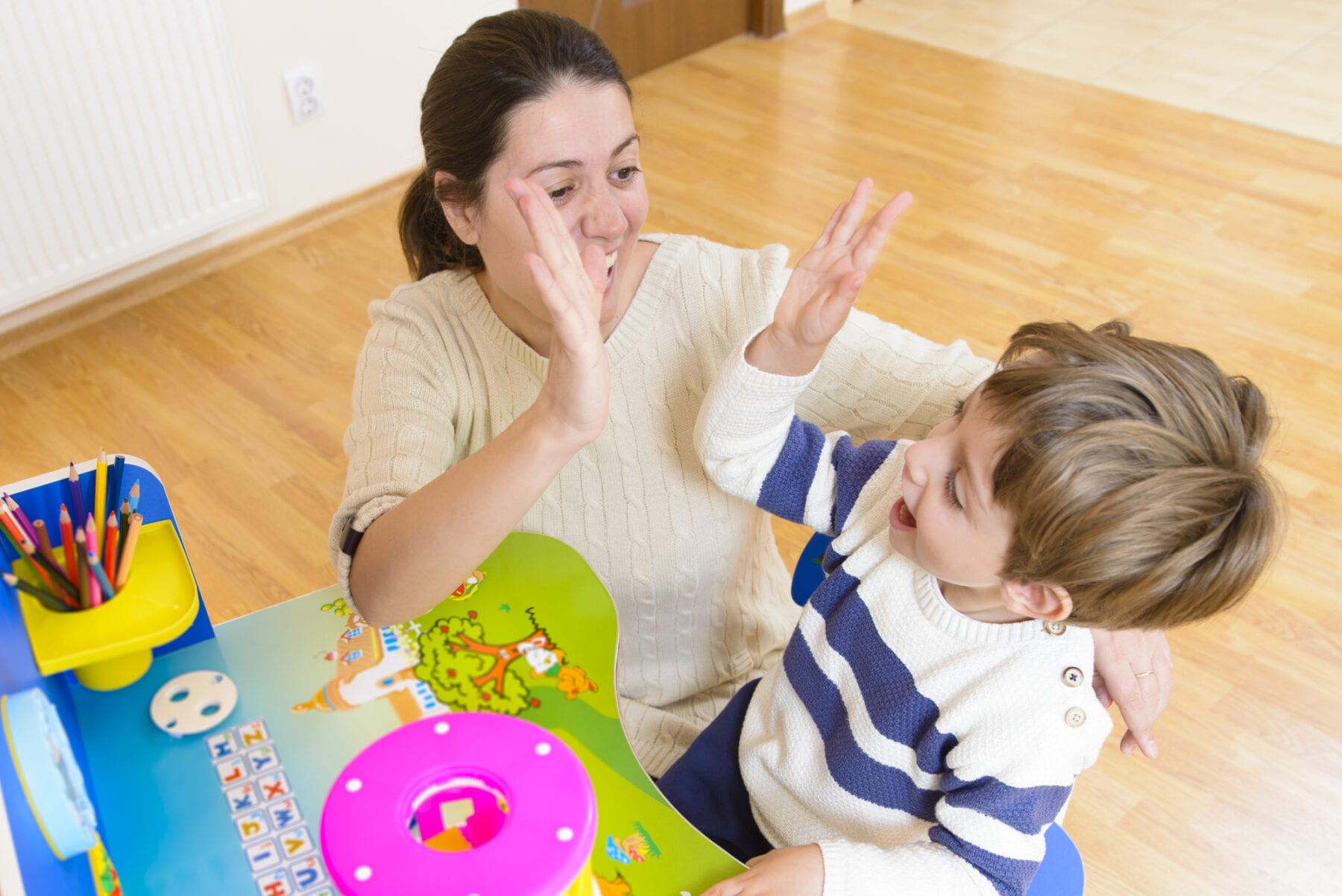
Positive reinforcement is a process of recognizing, rewarding, and encouraging desired behaviors.
As one of the most important principles of ABA therapy, this technique is crucial for achieving meaningful behavioral changes in children with autism. Here’s a closer look at positive reinforcement and the way ABA therapists use it to help autistic children learn and maintain new skills.

What Is Positive Reinforcement?
Applied behavior analysis (ABA), is a therapy that focuses on increasing desired behaviors and reducing undesired ones, is a standard treatment for children with autism spectrum disorder.
Positive reinforcement is the main behavioral management technique used by ABA therapists, where a child who complies with a request for behavior change is given an incentive. The aim is to have the child respond to reinforcement with positive behavior.
A reinforcer can be any object or activity that is effective in strengthening and maintaining the desired behavior. Primary reinforcers are natural and include sleep and food, for example. Secondary reinforcers, ranging from praise to stickers and tokens, vary from child to child and are developed over time.
The least intrusive type of reinforcers is praise and the most intrusive one is food, with many different reinforcer types in between, such as preferred activities, tangible items like toys, privileges, and tokens.
Reinforcers that work for one child may not work for another—some children are happy to get stickers for a reward chart while others respond better to words of encouragement. Whatever the preferences, the goal of the positive reinforcement technique is that praise eventually becomes the only necessary reward.
What Is the Importance of Positive Reinforcement in Autism?
For children with autism spectrum disorder and their families, positive reinforcement—and ABA therapy in general—can be life changing. This method helps autistic children acquire new skills that can be extremely challenging to teach and maintain. Some of these skills include:
- Verbal communication
- Non-verbal communication
- Social interactions
- Academic performance
- Functional life skills
- Adaptive learning skills.
When a desirable behavior is followed by a reinforcer, such as a special toy or activity, children are more likely to repeat the action. Over time, positive reinforcement can encourage behavioral changes. In addition, the technique can help children with autism learn alternatives to repetitive behaviors and prevent undesirable behaviors such as aggression.
One of the major advantages of positive reinforcement for children with autism spectrum disorder is the fact that this is a continuous and predictable learning method they can depend on. What’s more, autistic children often have a fixation on a single activity and find it difficult to transition to a new one.
Positive reinforcement allows them to know what to expect if they perform a task properly. It helps them realize that switching activities can be a positive experience, rather than a frustrating one.
How ABA Therapists Use Positive Reinforcement
ABA therapists use positive reinforcement to turn their observations of what triggers a child’s behaviors into patterns of improvement. The technique is based on the ABC model of behavior modification, which is one of the central concepts in applied behavior analysis. The model consists of the following steps:
- Antecedent—a situation or an item that triggers the behavior in question.
- Behavior—the action performed as a result of the antecedent. It can be both positive and negative.
- Consequence—the outcome of those actions. It can be used to encourage or stop the behavior, depending on whether the behavior is positive or negative.
Identify needs
The ABA therapist will start by determining your child’s existing skill levels and identifying the main areas of improvement to work on. Subsequently, the therapist will develop an individualized program to teach new skills and behaviors, tailored to your child’s needs, abilities, and interests. Because every autistic child, family, and situation is different, the ABA therapy plan is always devised to suit individual needs.
The therapist will help your child acquire and build new skills by systematically applying positive reinforcement techniques. This method is a key tool in increasing the likelihood that new, positive behaviors will be repeated and retained long-term.
Choose reinforcers
After having determined what is most meaningful or motivating to your child and what your child has responded well to previously, the ABA therapist will choose the appropriate reinforcers. This may be a specific toy, a favorite game, or an activity. Therapists usually have a variety of reinforcers available and customize reinforcement methods for each child.
ABA therapists often start with reinforcers that are the least intrusive before moving to the most intrusive ones. Also, they will often pair a primary reinforcer with another item to create a secondary reinforcer, like saying “good job” while at the same time giving your child a small edible reinforcer such as a candy or a raisin.
The motivator, especially when it is a food item, is always paired with encouragement, praise, and attention. The reinforcement is done by repeating positive responses to the reinforcer until your child starts associating the action with the reward.
Measure success
The therapist will gradually increase requirements for gaining access to the reinforcement. As your child starts acquiring the new behavior with less guidance, the use of the reinforcer is reduced.
Verbal encouragement will eventually become enough as the only motivator for positive behaviors. When your child starts displaying the desired behavior without the need for modeling, prompting, or positive reinforcement, he or she has mastered the skill.
Working together
In addition to fostering the developmental needs of a child with autism, ABA therapy programs also engage parents and caretakers in the process.
The best therapy results are achieved through a collaborative effort where everyone agrees on what behaviors to target. In general, any new behavior that you are introducing or any positive behavior that you would like to see increased should be reinforced.
In addition to increasing positive behaviors and encouraging learning, your ABA therapist will work with you to ensure your child’s inappropriate behaviors such as tantrums, whining, and aggressions are not being reinforced.
The Ethicality of Positive Reinforcement
Even though the theory of behavioral psychology outlines several different types of reinforcements, current ABA therapy programs for children with autism focus mainly on positive reinforcement. Not only is this the most effective behavior management strategy in children with autism spectrum disorder, but it is often seen as the epitome of ethical practice in ABA therapy.
Negative reinforcement and punishment
Negative reinforcement is another method ABA therapists use to strengthen behaviors. Contrary to positive reinforcement, something is taken away as a consequence of a behavior, resulting in a favorable outcome.
When an autistic child demonstrates an aversion to a particular item, activity, or sensory experience, negative reinforcement (removing the stimulus) can be used to teach an adaptive way to react. For example, a child who says “I don’t want to do that” and is allowed to avoid the task, has achieved negative reinforcement for using functional communication instead of having an angry outburst.
Negative reinforcement should not be confused with punishments like time-outs or loss of privileges. With both positive and negative reinforcement, the goal is to increase the desired behavior.
Punishment, on the other hand, is meant to decrease or weaken undesirable behavior. Contrary to reinforcements, it does not teach a new behavior, but only focuses on decreasing the unwanted one.
Punishment as a method is not acceptable in ABA therapy. The BACB’s Professional and Ethical Compliance Code for Behavior Analysts requires that, whenever possible, reinforcement strategies are implemented before considering punishment procedures.
Aversive reinforcement
The early criticisms against therapists practicing ABA were due to the fact that ABA therapy was not necessarily based only on the principles of positive reinforcement.
In some circumstances, the early ABA therapists used aversive reinforcement or punishment involving physical or psychological discomfort to obtain positive outcomes. At that time, autism was still thought of as a behavioral disorder and not a complex genetic, environmental, and developmental condition as it is today.
Therapists believed that using punishment would prevent children from displaying disassociation, aggression, and other challenging behaviors associated with autism.
Today, ABA therapy is a flexible approach based on breaking down a skill and reinforcing desired behaviors through rewards. The use of aversive reinforcement is considered an unethical method when working with autistic children.
Activities in Atlanta that can be used as Positive Reinforcement
Here are some activities in Atlanta that can be used for positive reinforcement:
- Georgia Aquarium: This world-class aquarium is home to thousands of species of fish, amphibians, reptiles, and marine mammals. A trip to the Georgia Aquarium can be a great positive reinforcement for completing tasks or good behavior.
- Atlanta Science Center: The Atlanta Science Center is a great place for kids to learn about science and technology in a fun and interactive way.
- Six Flags Over Georgia: For a day of thrills and excitement, Six Flags Over Georgia is a great option.
- Piedmont Park: Piedmont Park is a large park in the middle of Atlanta that offers a variety of activities, such as biking, hiking, and picnicking.
- Atlanta Children’s Museum: The Atlanta Children’s Museum is a great place for young children to learn and play.
The Best ABA Therapy Program in the Atlanta Area
The Hidden Talents ABA team of highly experienced ABA therapists and Board Certified Behavior Analysts (BCBA) provides loving and ethical care for your child. Our professionals deliver a wide range of personalized and comprehensive treatment options to create lasting positive behavioral changes. They work closely with families to encourage optimal learning opportunities for each child.
Contact Hidden Talents ABA to learn more about the benefits of positive reinforcement and other applied behavior analysis techniques used by our therapists. You can call us at 404-487-6005 to schedule a consultation. If you reside outside the Atlanta area, we encourage you to browse through our helpful resources on autism.
Regressive autism is a condition where an otherwise typically developing child experiences a sudden and rapid loss of communication and social skills and starts exhibiting behaviors associated with autism.
Continue reading to find out more about regressive autism, its signs and symptoms, and available treatments.
What Is Regressive Autism?
Regressive autism occurs when a child who seems to develop typically all of a sudden starts losing communication abilities, social skills, or both. After that, the child continues to follow the standard pattern of autistic neurological development. The condition is also known as autism with regression, autistic regression, setback-type autism, and acquired autistic syndrome.
How common is regressive autism?
Regressive autism was for many years considered being a rare occurrence and classified as a subtype of autism. However, recent studies confirm that anywhere from 13 to 48 percent of autism diagnoses are of the regressive type, depending on how regression is defined. Today, this condition is no longer considered an exception, and most researchers believe that there is no clear divide between early onset and regression when it comes to autism.
Many children with regressive autism show some less apparent symptoms of the condition even before they start losing language and social skills. In fact, autism is thought to have a range of different onset patterns, including:
- Early onset with early developmental delays but no subsequent loss of skills
- Ordinary regression with no apparent delays before a skill loss
- Regression where early delays are followed by loss of skills, and
- Plateau where there is a failure to learn new skills, but no apparent early delays or later skill losses.
What Is the Age When Regressive Autism Starts?
Regressive autism typically starts between the ages of 15 and 30 months. The average age at which a decline in skills is observed in children diagnosed with regressive autism is 19 months.
What are the Signs of Regressive Autism in a Child?
The loss of verbal and nonverbal communication and social skills in an otherwise typically developing child can be slow or rapid. It is usually followed by a lengthy period of stagnation in skill development.
The most common early signs of regressive autism in children include:
- Not responding when their name is called
- Echolalia or the tendency to repeat words and phrases uttered by others
- Giving unrelated answers when asked questions
- Reversing the use of pronouns and using “you” instead of “I”
- Inability to point at objects or things of interest
- Low to zero social skills
- Avoiding eye contact and physical contact
- Failure to understand their own and other people’s feelings.
In addition, children with regressive autism may exhibit other signs and symptoms typical of autism spectrum disorder, such as:
- Flapping hands, spinning in circles, and rocking the body
- Strong emotional reactions to changes in daily activities and routines
- Over-sensitivity or under-sensitivity to sounds, smell, taste, and touch
- Extreme anxiety and phobias
- Impulsivity or acting without thinking
- Extremely active or hyperactive behavior
- Unusual eating and sleeping habits including sleep regression
- Always playing with toys in the same way
- A tendency to line up toys and other objects
- Interest in specific parts of objects, such as the wheels of toy cars
- Obsessive and unusual interests and behaviors.
How to Diagnose a Child With Regressive Autism?
Specialists and health professionals will rely on a variety of tools to test whether your child has autism spectrum disorder.
Multidisciplinary assessment teams typically consist of a psychologist, a speech pathologist, as well as a pediatrician or child psychiatrist. After observing how your child plays and interacts with others, reviewing your child’s developmental history, and conducting interviews with the family, they will make a diagnosis.
Once your child is diagnosed with regressive autism, specialists will help you identify the most suitable treatment plan.
Can Regressive Autism Be Reversed?
Although full recovery from autism may not be possible, appropriate therapy can provide autistic children with the tools to function independently and significantly improve their condition.
It is crucial that a child with regressive autism receives the proper diagnosis early on. The earlier treatment begins, the better outcomes can be achieved, reducing and even eliminating some of the symptoms. Because every child with autism spectrum disorder is different, progress will vary from one child to another.
Therapies for Children with Regressive Autism
Experts recommend the use of various behavioral and educational therapies as effective treatments for autistic children, including those diagnosed with regressive autism. Because no two individuals with autism are alike, these therapies usually provide targeted treatments based on your child’s individual needs.
Applied behavioral analysis (ABA)
Applied behavior analysis is a form of behavioral therapy that focuses on changing unwanted behaviors while reinforcing desirable ones. It is one of the most successful interventions for helping children with autism learn desired behaviors. With an over 90 percent improvement rate, ABA therapy is currently the most effective form of autism treatment.
This type of therapy is used to build and strengthen social and communication skills in children with autism spectrum disorder such as:
- Following directions
- Understanding social cues like facial expressions and body language
- Improving social skills, including initiating conversations and responding to questions
- Reducing problematic behaviors like tantrums, and
- Acquiring basic academic and pre-academic skills.
ABA therapy breaks down each of the essential skills into small, concrete steps. It then builds toward more significant changes in functioning and independence levels. An ABA therapy session typically consists of a combination of play, direct instructions, various activities, adaptive skills training, and parent guidance.
Applied behavioral analysis therapy uses positive reinforcement in the form of rewards and other incentives. When a desirable behavior is followed by a motivator, like a special toy or activity, children are more likely to repeat the action. Over time, this method can encourage positive behavioral changes in children diagnosed with autism spectrum disorder.
Sensory integration
Most children with autism spectrum disorder have at least some degree of sensory processing dysfunction like over-sensitivity or under-sensitivity to light, sound, smell, taste, or touch. In fact, sensory issues are among the principal symptoms of autism. They are also believed to be the underlying reason for common autistic behaviors such as rocking, spinning, and hand-flapping.
Sensory integration therapy focuses on normalizing three senses: vestibular (the sense of motion and balance), tactile (the sense of touch), and proprioception (the sense of movement). Sensory integration sessions include activities that stimulate sensory responses, and in particular those related to balance and physical movement such as swinging, bouncing, or climbing. This method helps autistic children learn how to use all their senses together and how to interpret and use sensory information more effectively.
Sensory integration therapy is designed to be part of more comprehensive programs for children with autism, including speech therapy, behavioral therapy, and educational therapy. It is typically provided by an occupational therapist.
Speech therapy
Children on the autism spectrum usually have a number of communication and speech-related challenges. While some autistic children are not able to speak at all, others have difficulties maintaining a conversation or understanding body language and facial expressions when talking with others. Speech therapy helps improve verbal, nonverbal, and social communication and at the same time teaches children with autism how to communicate in more functional ways.
Speech therapy is done by a speech-language pathologist (SLP). A speech therapy program starts with an evaluation of your child’s strengths and weaknesses related to communication. Based on this assessment, the speech-language pathologist will set a goal for the therapy. Some skills that your child may work on include:
- Strengthening the mouth, jaw, and neck muscles
- Learning how to make clearer speech sounds
- Matching emotions with the correct facial expression
- Leaning nonverbal skills and body language
- Modulating the tone of voice
- Responding to questions
- Matching a picture with its meaning.
Autistic children with severe language problems may find it easier to use augmentative and alternative communication (AAC) systems. In this case, speech therapy will particularly focus on teaching communication through either picture exchange communication systems (PECS), sign language, or speech output devices such as DynaVox.
Vision training
Visual problems are common in children with autism and include issues such as:
- Lack of eye contact
- Staring at spinning objects or light
- Fleeting peripheral glances
- Side viewing
- Eye movement disorders
- Crossed eyes
- Hypersensitive vision
- Light sensitivity
- Visual stimming, for example, flapping fingers in front of eyes
- Visual defensiveness or avoiding contact with specific visual input like bright lights.
The goal of vision treatment is to help autistic children organize their visual space, improve eye coordination and enhance visual information processing. Achieving these goals can help the child feel less overwhelmed by visual stimuli and interact more easily with its environment.
Vision training is typically done by a vision therapist. It involves eye exercises and the use of ambient prism lenses that are worn in standard eyeglass frames, but feature wedge prism lenses instead of regular refractive ones. This type of therapy may lessen or totally eliminate many of the issues related to vision. Besides, the treatment is also proven to be beneficial for improving posture, head-tilt, spatial awareness, and coordination in children with autism.
Auditory integration training (AIT)
Atypical sensory experience is one of the common symptoms of autism spectrum disorder. Compared to their neurotypical peers, children with autism are more likely to have unusual sensory responses, such as adverse reactions or indifference to sensations, that may cause discomfort or confusion.
Auditory integration training aims to reduce sensitivity to sounds and other issues with processing sounds in autistic children. It has been proven to reduce distortions in hearing, extremely sensitive hearing, and irregularities in how sounds are processed. Some practitioners believe that auditory integration training also helps improve speech and language difficulties in children with autism.
The Berard method of auditory integration training is an intervention designed to correct or improve disruptions in the brain and body system that interfere with a child’s ability to process information correctly. The therapy starts by presenting familiar sounds. Over time, more challenging sounds, usually those with a high or low frequency, are introduced. This allows children to slowly get used to the sounds until they no longer represent a problem.
Several other types of sound therapy have documented benefits for children with autism:
The Tomatis approach
This therapy is designed to improve listening, speech, and communication skills in autistic children, in addition to strengthening balance and coordination skills. Your child will be using headphones to listen to electronically modified music and other sounds in order to exercise the muscles in the ear and stimulate connections between the ear and the brain.
The Samonas Sound Therapy (SST)
During the Samonas sound therapy, therapeutic music provides direct stimulation to the central nervous system. It trains the auditory system to process the full range of sounds without distortion, hypersensitivity, or frequency loss.
The Listening Program (TLP)
This auditory intervention program is a music-based therapy that uses psychoacoustically modified classical music to provide auditory stimulation and improve brain functioning. It is an effective stand-alone intervention, but it can also be successfully integrated with other treatments such as ABA, occupational therapy, speech therapy, and neurodevelopmental programs.
At the core of all types of auditory training is strengthening the foundation of a child’s neurological functioning, including auditory processing and attention. Although it is possible to find some approved Berard AIT practitioners, no formal qualification is necessary for providing auditory integration training. In practice, the therapy is mostly offered by speech and language pathologists or occupational therapists.
Tools for Parents to Cope With Regressive Autism
While it is a rewarding experience, caring for a child with autism can be extremely challenging, both physically and emotionally. Here are some resources that will help you and your family cope after your child is diagnosed with regressive autism:
- Autism parent support groups are some of the best sources of support and information about caring for children with autism.
- MyAutismTeam is a social network for parents of children with autism spectrum disorder. Here you can connect with other parents, receive emotional support, and get practical advice and insights on managing autism.
- National Autism Association (NAA) is a parent-run non-profit organization with 1.6 million online members. It offers information on issues related to regressive autism, severe autism, autism safety, autism abuse, and crisis prevention. The organization also provides lots of valuable resources and safety tips, as well as downloadable guides and toolkits for parents of autistic children.
- Autism Speaks is the largest autism organization in the country that works to promote awareness about the condition. It provides comprehensive information on all aspects of autism, from signs and symptoms to diagnoses and treatments.
- Autism Speaks Sibling’s Guide to Autism and Sibling Support Page from Organization for Autism Research (OAR) are useful sources of information for children whose siblings are diagnosed with autism.
- Social stories can help children with autism spectrum disorder improve their communication and social skills. Numerous social story templates are available for free download.
- Language Therapy for Children with Autism is one of the most popular autism apps. It uses the Mental Imagery Therapy for Autism (MITA) approach to help children with autism reach language development milestones and speak confidently.
- Other useful apps for parents of autistic children include Birdhouse for Autism, AutiSpark, and Proloquo2Go.
Children with atypical autism usually display milder symptoms than their peers on the spectrum. But because they still struggle with some of the similar challenges as other autistic children, including communication difficulties and issues with processing sensory information, they may benefit from the same therapies and support.
Continue reading to find out more about atypical autism and how ABA therapy can be used to help children with the condition.

What Is Atypical Autism?
Atypical autism is one of the official autism diagnoses that were used before the introduction of the term autism spectrum disorder. The clinical name for atypical autism is Pervasive Developmental Disorder-Not Otherwise Specified or PDD-NOS. Other terms to describe atypical autism include autistic tendencies, autistic traits, and a subthreshold diagnosis.
The term atypical autism was first used in 1994 in the fourth edition of the Diagnostic and Statistical Manual of Mental Disorders (DSM-IV), the textbook reference that medical professionals use to identify and diagnose mental disorders.
The manual classified atypical autism as a subgroup of the autism diagnosis. The term was used to describe anyone who didn’t fit into the Pervasive Developmental Disorders categories—autistic disorder or severe autism, Asperger syndrome, childhood disintegrative disorder, and Rett’s syndrome—due to atypical symptoms, late onset age, or both.
In terms of severity, atypical autism was placed between Asperger syndrome and typical childhood disintegrative disorder autism. It was considered to be a mild form of autism that didn’t necessarily require treatment or therapeutic intervention.
Atypical autism and autism spectrum disorder
With the publication of the fifth edition of the Diagnostic and Statistical Manual of Mental Disorders (DSM-5) in 2013, all former categories of autism were merged into a single diagnosis known as autism spectrum disorder.
The pervasive developmental disorders, along with atypical autism, were removed from the official classification. Studies show that around half of the children who would be diagnosed with atypical autism in the past meet the diagnostic criteria for autistic spectrum disorder.
Today, autism spectrum disorder is the only diagnostic category used for autism, regardless of where on the spectrum your child is. The autism severity assessment scale (levels 1-3) is based on the extent of support needed for daily function. However, the term atypical autism is still occasionally used to describe children and adults who have only some symptoms of autism, but lack some of the other defining characteristics.
The Symptoms of Atypical Autism
Autism affects three areas: verbal and non-verbal communication, social behavior, and flexible thinking and behavior. Children diagnosed with atypical autism share the majority of characteristics of autism, although these don’t necessarily appear across all three categories. They usually display milder developmental and social delays and less stereotypical autistic behaviors than their peers on the spectrum.
Children with atypical autism may struggle with some, though not all, symptoms of autism, including:
Inappropriate or unusual social behavior
Children who have atypical autism may experience difficulties socializing with other children and communicating in socially appropriate ways, like making eye contact or letting another person take a turn in a conversation.
Irregular motor development
Most autistic children, also those diagnosed with atypical autism, have at least some motor difficulties. These include both gross-motor skills problems, such as poor balance and coordination, and fine-motor issues like manipulating objects and poor handwriting.
Delayed cognitive development
Children with atypical autism frequently struggle with focus, transitions, memory, time management, and emotional control. Like other children with ASD, they may find it hard to pay attention, communicate, and understand other people’s perspectives. These challenges may impact their learning and development.
Slow development of speech and language comprehension
For autistic children, it may be harder to learn and use language than it is for typically developing children because they are often more focused on what is going on around them than communicating with others. They might be slower to develop and understand language and have difficulties expressing themselves.
Verbal and nonverbal communication issues
Atypical autism is characterized by a communication deficit that may manifest itself as an unusual speech pattern, poor grammatical structure, and lack of intonation and rhythm.
Sensitivity to taste, sight, sound, smell, and tactile sensations
Research shows that close to 90 percent of people diagnosed with autism have either extreme sensory sensitivity or hardly notice sensations such as colors, sounds, or smells. Likewise, atypical autism is often accompanied by sensory experiences that are significantly different from those of children without the condition.
Repetitive or ritualistic behaviors
Many children with atypical autism display repetitive behaviors indicative of autism such as hand flapping, rocking, and tapping. Repeating certain gestures, actions, or words is a soothing activity autistic children use as a way to feel a sense of control in stressful situations.
Other symptoms of atypical autism
Children with atypical autism may display a range of other symptoms typical of autism spectrum disorder, such as:
- Lack of empathy or sharing emotions with others
- Inability to form age-appropriate peer friendships
- Difficulty maintaining a conversation
- Lack of meaningful language
- Excessive interest in a specific subject area, such as trains, machines, or animals
- Strong interest in objects, which is unrelated to their functional use
- Unusual likes and dislikes
- Lack of symbolic and pretend play
- Failure to share attention, like showing objects to someone or pointing at something of interest
- Uneven skill development, for example, normal development in some areas and delays in others, and
- Difficulty accepting changes.

Diagnosing Atypical Autism
If you think that your child might have symptoms of atypical autism, you should talk to their pediatrician or a primary care physician. They will refer you to a specialist—either a developmental pediatrician, child neurologist, psychiatrist, or psychologist—who will do a comprehensive evaluation of their development and behavior and make a diagnosis.
Alternatively, you can request an evaluation from your state’s Early Childhood Technical Assistance Center without a doctor’s referral.
However, you should keep in mind that atypical autism or PDD-NOS is no longer used as an official diagnosis. Because it is not included in the DSM-5, atypical autism will probably not be diagnosed by your child’s physician. Depending on the quantity and intensity of autistic traits, your child will be classified as being on the autism spectrum and given a severity rating. After that, your child will receive an in-depth diagnosis that will be used to develop a personalized treatment plan that suits his or her particular needs.
Children with atypical autism display great variations in their abilities, which can make diagnosing the disorder challenging. What’s more, atypical autism may be hard to detect because its symptoms are often mild and less disruptive than those of autism disorder.
Finally, atypical autism is not to be confused with high-functioning autism, which describes children with autism spectrum disorder who have better functional communication and higher cognitive functioning than the others on the spectrum.
How ABA Therapy Can Help Children With Atypical Autism
Even if your child is diagnosed with the equivalent of atypical autism and has relatively mild symptoms, the recommended treatments are likely to be very similar to those for autism spectrum disorder. Standard treatments that apply across the spectrum include speech or language therapy, occupational or physical therapy, and behavior and developmental therapy.
Applied behavior analysis (ABA) is a form of behavioral therapy that focuses on changing unwanted behaviors and reinforcing desirable ones. It is one of the most successful interventions for helping children with autism learn desired behaviors. Research shows that ABA therapy is the most effective form of autism treatment, with an over 90 percent improvement rate.
ABA therapy is used to build and improve social and communication skills in children with autism spectrum disorder such as:
- Following directions
- Understanding social cues such as facial expressions and body language
- Social skills like initiating conversations and responding to questions
- Reducing problematic behaviors including tantrums
- Basic academic and pre-academic skills.
ABA therapy breaks down each of the essential skills into small, concrete steps. It then builds toward more significant changes in functioning and independence levels. ABA therapy sessions consist of a combination of play, direct instructions, various activities, adaptive skills training, and parent guidance.
Applied behavioral analysis therapy typically uses positive reinforcement in the form of rewards and other incentives. When a desirable behavior is followed by a motivator, like a special toy or activity, children are more likely to repeat the action. Over time, this method can encourage positive behavioral changes in children with autism.
Because no two individuals with atypical autism are alike, ABA therapy provides targeted treatment based on your child’s individual strengths and weaknesses. The Hidden Talents ABA interventions are highly individualized and based on a thorough assessment by a qualified developmental specialist. The evaluation considers factors such as your child’s behavioral history, current symptoms, communication patterns, social competence, and neuropsychological functioning.
Contact us
If you think your child might have symptoms of atypical autism, you can talk to their pediatrician or a primary care physician. They will likely refer you to a specialist for a comprehensive evaluation. Feel free to contact us for more information about ABA therapy or to request an intake evaluation. You can call us at 404-487-6005, or fill out our contact form, and we’ll be in touch with you as soon as possible.
Congenital Heart Defect Awareness Week is observed each year during February 7–14 to promote awareness and education about congenital heart defects. It affects approximately one in 100 births every year in the United States. It is the word’s most common birth defect. Take this week to raise awareness of congenital heart defects.

Controlling angry feelings is a challenge for children with autism.
With some patience and understanding, however, your child can learn to successfully deal with their anger.
Here’s everything you need to know about the typical anger issues that children with autism face and how ABA therapy can help them regulate their emotions.
But first, let’s get a better understanding of the common traits that children with autism have.
The common challenges autistic children face
Sensory issues
Most children with autism spectrum disorder are affected by sensory overload that occurs when there is more input from the five senses than the brain can process. Noise, crowds, bright lights, strong tastes, and smells may also feel disruptive and stressful to children with autism.
Social difficulties
One of the main challenges that autistic children have to deal with is social interactions. They may have a hard time deciphering social cues and body language when interacting with others and difficulties developing deep social relationships.
Resistance to change
Children with autism are often resistant to changes and prefer familiar situations and activities. Any disruption in their routines could cause a disproportionate outburst of anger or frustration.
Emotional sensitivity
Autistic children frequently struggle to control their emotions in unpredictable situations and when transitioning from one activity or setting to the next. Children with autism display unusually intense emotional reactions in these situations compared to their neurotypical peers.
Communication challenges
Children with autism typically have a good understanding of language and can develop an impressive vocabulary. At the same time, they often struggle with social language skills, that is, the way language is used to communicate with others. They may be unable to grasp sarcasm, idioms, and other expressions that aren’t meant to be taken literally. Some may find conversations with others boring or difficult to follow and avoid speaking with their peers.
Anxiety and depression
Mood disorders such as anxiety, depression, and irritability are common among children with autism. Studies show that 40% of young people with ASD suffer from high levels of anxiety or at least one anxiety disorder, frequently resulting from their lack of social communication skills.
Now that we have a better understanding of the challenges that autistic children face, let’s examine how this can affects their anger levels.
Autistic Children and Their Struggle With Anger
Anger is a common occurrence in autistic children. They often engage in repetitive thinking that, when combined with angry thoughts, can turn into anger ruminations. The frustration experienced by reliving upsetting moments and not being able to express emotions in the way others can understand can lead to outbursts or irritability and anger.
Children with autism who struggle with social and communication issues, as well as those who engage more frequently in repetitive behaviors, are also more likely to have problems with impulse control and emotional regulation. Additional factors such as illness, lack of sleep, and anxiety can also affect their ability to control their anger.
Meltdowns and aggression are common signs of impulse control issues among high-functioning autistic children. As many as one out of every four children across the spectrum display aggressive behaviors. The immediate reaction that children with autism provoke when acting out in an aggressive manner allows them to feel at least some degree of control of the situation.
Autism and the rage cycle
Blind range is the ultimate manifestation of anger and a frequent occurrence in autistic children. The cycle of rage typically consists of three stages: rumbling, rage, and recovery.
Rumbling stage
Autistic meltdowns are usually preceded by signs of distress called rumblings. They include:
- Rocking or pacing
- Placing hands over ears
- Being very still and tense
- Asking lots of questions
- Threatening others.
If a child doesn’t know how to prevent the build-up of anger, he or she will quickly lose control of the situation. At this point, a meltdown is inevitable.
Rage stage
At this stage, anger either culminates into aggression toward caregivers or peers or is internalized. The child may:
- Have a meltdown with crying and shouting.
- Try to run away from the situation, potentially putting him/herself in danger.
- Exhibit aggressive behaviors including hitting, kicking, scratching, and biting.
- Become too upset to listen to calming suggestions.
- Be unable to process instructions given to help them to calm down.
- Overreact to the situation and be unable to calm down on their own.
- Engage in self-harm, including head banging and hair pulling.
- Display self-stimulatory behaviors or “stimming,” such as hand flapping and clapping.
Recovery stage
Following a meltdown, many autistic children will have contrite feelings or won’t remember what happened during the rage stage. Some children will withdraw after the episode or become so physically exhausted that they need to sleep.
It’s important to keep in mind that the anger related to autism is for the most part impulsive. While temper tantrums in neurotypical children are often manipulative, autistic meltdowns are driven by anger without any rational thinking or reasoning behind it. A child reacts in the moment and the behavior is not thought out ahead of time. An angry outburst in an autistic child is usually a cry of distress.
Causes of anger in autistic children
Although each case of autism is different, there are several common causes of anger in autistic children:
Being overwhelmed by multiple tasks
Anyone with autism, including autistic children, can get easily overwhelmed and frustrated when asked to perform several tasks at the same time. This is particularly the case when a new task is combined with the routine one and when tasks need prioritizing.
Sensory overload
Children with autism have fragile sensory systems that can easily get overloaded. Responding with anger outbursts and aggressive behaviors is sometimes simply an automatic reaction to being physically uncomfortable in situations that cause sensory overload.
Feeling helpless
All the unwritten rules and unpredictability’s of daily life may be hard to navigate for autistic children, regardless of their level of functioning. They don’t always fully understand what is going on around them and act out aggressively out of frustration.
Changes in routine
Children on the autism spectrum can become distressed when their routines are changed. Unexpected events like having to take a different route to school or eat a different type of breakfast cereal can increase the child’s anxiety levels. The feelings of confusion and helplessness may cause a meltdown.
Other people’s behavior
Children struggling with autism may take great offense to insensitive comments that their neurotypical peers would judge as harmless humor. Being ignored, whether on purpose or by accident, is another possible trigger for angry outbursts.
Intolerance of imperfections in others
Anger-related behavior in autistic children can be caused indirectly by other people and their perceived imperfections, such as a high-pitched voice or fast speaking pace, for example.
Stress and anxiety
All the elements listed above can potentially lead to built-up stress and anxiety in autistic children. Whereas some will react by becoming depressed, others will get angry. If they have no tools which can help them manage stress and anxiety, they will experience meltdowns.
Lastly, a number of underlying issues such as medical conditions or sleep problems can trigger anger and aggressive outbursts in autistic children.
ABA Therapy for Controlling Anger
Anger treatment is a crucial part of helping your child with autism. Children who haven’t learned how to manage their anger can have a hard time processing their emotions and dealing with built-up stress. The earlier you start with the treatment, the quicker your child will learn and be able to put in use coping and anger management skills.
Applied Behavioral Analysis (ABA) is considered being one of the most successful interventions for helping children with autism learn desired behaviors through positive reinforcement. By improving communication and social skills and regulating potentially harmful behaviors, ABA therapy can help to reduce aggressive actions and help children with high-functioning autism better regulate their emotions, including anger. This type of therapy has been proven to be effective in both reducing and eliminating aggressive behaviors.
When it comes to anger management skills, ABA can help autistic children to:
- Learn how to avoid negative responses or behaviors.
- Reduce the frequency of unwanted behavior.
- Learn acceptable alternative behaviors.
- Identify and appropriately communicate emotions, including anger.
- Learn the coping skills for emotional regulation.
- Have appropriate social interactions and communication that don’t result in aggression.
ABA techniques for dealing with anger
ABA therapy is a highly adaptable and flexible intervention that can be used in a variety of settings and tailored for the specific needs of your autistic child. A therapist will start by spending some time with your child to analyze the behavioral patterns and determine his/her specific strengths and challenges. This functional behavior assessment will represent the basis for the work your child will do in therapy.
The ABA therapist will use a range of techniques to help your child with anger management. ABA therapy offers two effective ways of handling problem behaviors: proactive interventions and consequence-based reactive interventions. When used in combination, these two tactics will give you and your child all the necessary tools for preventing and managing anger issues.
Proactive intervention
Anger triggers are prevalent in an autistic child’s surroundings. That’s why it’s extremely important to use proactive strategies that will help prevent your child from becoming overwhelmed and frustrated. Strategies to minimize anger and aggression triggers include creating an environment that is calm, predictable, and as rewarding as possible for your autistic child.
Positive feedback
Because direct feedback after an aggressive outburst can further reinforce the undesired behavior, your child’s ABA therapist will provide positive feedback for impulse control. Positive feedback to reward non-aggressive behaviors works best if it’s given during stressful moments that can potentially cause angry outbursts. The therapists will offer praise right before the outburst occurs in order to help the child display a more appropriate, non-aggressive behavior.
Neutral redirection
Neutral redirection is a technique regularly used by ABA therapists to teach children with autism how to improve their impulse control. Instead of responding to anger and aggressive behavior with punishment, they redirect the child to use socially acceptable behavior to express their needs. The goal of neutral redirection is to reward the desired non-impulsive and non-aggressive behaviors.
Positive reinforcement
ABA therapy is based on the principle of positive reinforcement. The desired behavior is strengthened by providing a reinforcer such as a favorite toy, activity, or simply attention and praise. Encouraging your child’s appropriate behavior will motivate them to keep behaving well.
Alternative behaviors
ABA therapists help autistic children not only to identify negative responses and unwanted behaviors, but also to learn appropriate alternatives. What’s more, by learning effective and positive ways to communicate their emotions, children will be able to express the anger they would otherwise ruminate over. This way, they can avoid the frustration resulting from an inability to describe their emotions.
Modeling techniques
Modeling techniques are frequently used as part of ABA therapy sessions to encourage children with autism to copy and adopt positive behavior. For example, your child might imitate characters in a video, replicate peer behavior in a small group, or follow the therapist’s model behavior in a one-on-one session.