Wishing you and your family a Happy Cinco de Mayo!


Wishing you and your family a Happy Cinco de Mayo!

One of the many challenges children with autism face is wearing shoes. Due to sensory issues and other factors, they may find it difficult to put on shoes and keep them on their feet.
Here are some tips on how to make wearing shoes easier for your autistic child.
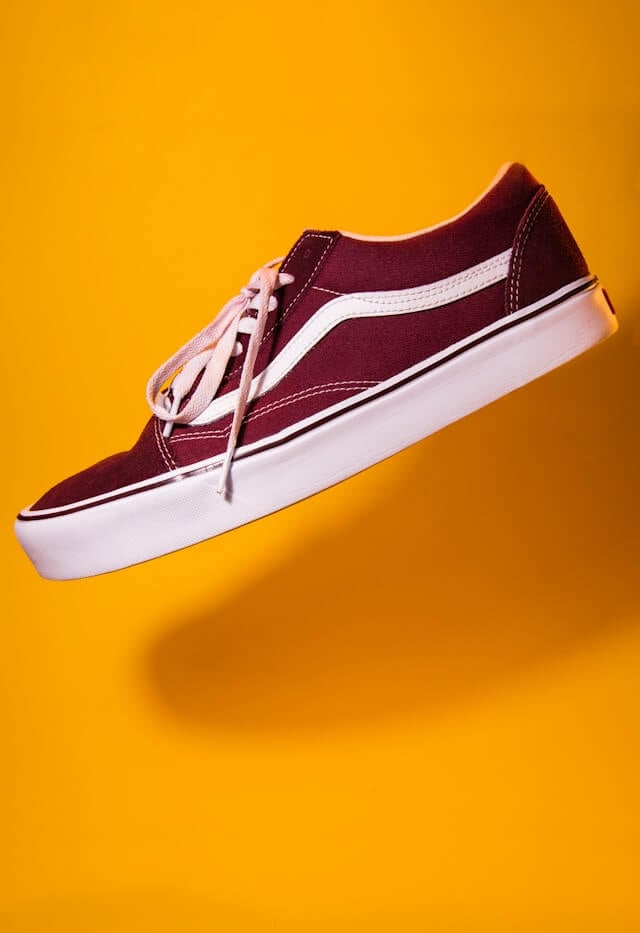
Children with autism spectrum disorder are often reluctant when it comes to wearing shoes. Several factors may contribute to this particular challenge:
One of the main reasons for foot discomfort in autistic children is sensory processing disorder, a condition often associated with the diagnosis. Children with autism regularly experience hypersensitivity to various elements in their environment, including clothing and shoes.
Foot pain may be another cause of your child’s hesitance to wear shoes. It can result from injury, physical conditions like the size and shape of feet, some medical conditions, or the use of an ankle-foot orthosis. You should consult your child’s occupational therapist or health professional if you suspect your child might have foot pain.
Many children with autism have difficulties learning to tie their shoelaces due to fine motor skill delays. As a result, putting their shoes on can become a stressful experience that triggers meltdowns and further increases their reluctance to wear shoes.
Persuading your autistic child to keep their shoes on can be a daunting task. Here are a few tips that can help you turn wearing shoes into a positive experience for your child.
Autistic children with sensory issues are often sensitive to the seams on their socks, which may be a part of the reason your child dislikes wearing shoes. Seamless socks are more comfortable and will provide relief for your child’s sensitive feet. Brands like EZ Sox and SmartKnit Kids carry sensory-friendly socks with seamless toes, non-skid bottoms, and pull-up loops to help your child put them on. Soft fabrics including cotton, bamboo, or silk also work well for children with sensory issues.
Buckle and lace-up shoes can feel tight and restrictive and may be a reason your child won’t keep their shoes on. A hook-and-loop fastening is a better choice as it will allow your child to wear shoes as tight or loose as they wish. To avoid the stress of tying the shoes, you may want to replace your child’s regular laces with quick-release or no-tie elastic laces such as Xpand, Greeper Laces, or Lock Laces, for example.
It is essential that your child’s footwear is the right size. Tight and ill-fitting shoes are not only painful but can also damage your child’s feet as they grow. Some children like high-top sneakers because they make them feel secure, while others find them too constricting. If this is the case, you may want to consider wider shoe models or loose-fitting sandals for your child.
Adaptive shoes are designed for children who have special needs when it comes to footwear. Your child with autism can greatly benefit from wearing adaptive shoes, as they provide increased comfort and are easy to put on and take off. These shoes are usually extra wide and include features such as adjustable straps, removable insoles, and pull tabs.
In case of musculoskeletal issues or walking difficulties, your child can be referred to a podiatrist who will assess their feet and gait and determine whether there is a need for additional support aids. The podiatrist may prescribe orthotics or foot orthoses, special shoe inserts that provide foot support. There are many shoes that work well with ankle-foot orthoses if your child needs to wear them.

A trip to a shoe store with an autistic child who doesn’t like to be touched, finds busy places overwhelming, and has trouble understanding how to wait for a turn can be extremely challenging. It may trigger anxiety and quickly lead to aggressive behavior. Here’s what you can do to create optimal conditions and ensure a less frustrating shopping experience for your child.
Children with autism spectrum disorder need predictability. Knowing what to expect allows them to better cope with potentially stressful situations and makes the transition to a new space easier. That’s why you should ideally start preparing your child for going to a shoe store the day before. Talk to your child about the upcoming shopping trip, show them the photos of the store, and let them know what to expect.
Creating a social story that depicts the situation you will encounter will help your child understand how the visit to the shoe store will unfold, what they will be asked to do, and when the trip will end.
If you know that going to the shoe store will be a difficult experience, measure your child’s feet in advance using at-home devices such as RITZ Stick or Brannock.
If your child has sensory issues, it may be a good idea to contact the store in advance to find out if they have any quiet hours. This way, you’ll avoid crowds and prevent your child from getting overwhelmed.
To make sure you chose the perfect fit, buy several different pairs of shoes and let your child try them on at home. You can then simply return the ones that your child finds uncomfortable, but don’t forget to check the retailer’s return policy first.
Identify the triggers that could provoke your child’s anxiety in the shoe store. If your child is sensitive to loud sounds, you can bring headphones and if overhead lighting poses a problem, your child can wear sunglasses or a baseball cap for protection.
Make sure to bring your child’s favorite toy or blanket, earmuffs, a fidget toy, or any other object or activity that will soothe your child in case they get overwhelmed.
Schedule a fun activity after the shopping trip that will serve as a motivator for your child. This can be as simple as setting aside some time to play with a favorite toy or game together.
Reward your child with a small treat for completing the shopping trip. Provide lots of praise and attention if your child is doing a good job.
Many brands make adaptive shoes designed for children with sensory issues, including those with autism. Listed below are some of the most popular ones:
Stride Rite carries a range of wide and extra wide children’s shoes with soft memory foam footbeds, flexible soles, and hook-and-loop fasteners that are both comfortable and easy to put on. If you donate an old pair of shoes to charity, you’ll receive 20% off your purchase.
Pediped shoes support children’s natural movement and promote healthy foot development. They are made from soft, pliable leather, and feature convenient hook-and-loop closure. All models comply with the strictest safety standards.
Tsukihoshi footwear is a popular choice for children with autism due to their comfort and flexibility. Most styles have no-tie stretchy laces, ideal for children with fine motor skill delays. The shoes are washable, latex-free, and work well with ankle-foot orthoses.
BILLY Footwear offers functional shoes with zippers that go all the way along the side and around the toes, allowing them to open and fold over completely. The shoes are both comfortable and quick and easy to put on and take off.
Hatchbacks Footwear developed and patented a hinged shoe that opens from the back to make it easy to put on and easily fit over ankle-foot orthoses.
Plae shoes are a good pick if your child uses ankle-foot orthoses or supra-malleolar orthosis which supports the foot just above the ankle bone. They are flexible, wide, have extended Velcro straps, and are machine washable.
Many Skechers models feature Velcro straps or a pull-top loop so that they can slip on and off your child’s feet easily. The shoes have gel-infused memory foam for increased comfort and are lightweight and durable.
The Nike FlyEase sneaker line consists of lace-free adaptive shoes that are quick and easy to put on. The responsive foam adapts to your child’s movement, making them soft and very comfortable to wear.
Vans autism acceptance collection is a line of sneakers designed for children with sensory processing issues. The collection features shoes that slip on with pull-tabs or close with hook-and-loop fasteners. The footwear comes only in muted colors that will appeal to children who find bright colors overstimulating.
Here are five autism-friendly shoe stores in Georgia, including Atlanta:
These stores provide a supportive and understanding shopping environment for individuals with autism, making shoe shopping a more pleasant experience.
In conclusion, finding the right shoes for individuals with autism is crucial for their comfort, sensory needs, and overall well-being. With a growing awareness of the unique challenges faced by those on the autism spectrum, many retailers are now offering specialized footwear designed to meet these needs.

Raising a child with Autism Spectrum Disorder (ASD) in Atlanta can be both rewarding and challenging. If your child also struggles with anxiety, depression, or ADHD alongside their autism diagnosis, you might be wondering what additional support options are available. Here at Hidden Talents, we understand the unique needs of Atlanta families with autistic children, and we believe Cognitive Behavioral Therapy (CBT) can be a powerful tool to help them manage these additional challenges and thrive.
Let’s delve deeper into Cognitive Behavioral Therapy for children on the autism spectrum.

Cognitive behavioral therapy (CBT) is a form of therapy designed to treat mental health disorders by identifying and changing unhealthy and harmful behaviors. It is based on the idea that behaviors are learned and that, as a result, they can be changed.
As its name suggests, cognitive behavioral therapy relates to both cognition or thinking and behavior. One of the core principles of CBT is that thoughts and feelings are not determined by the situation but rather by the interpretation of the situation. Therefore, negative behaviors are often caused by unrealistic thoughts that set off false feelings and emotions. Through cognitive behavioral therapy, patients can learn different strategies to help them change the way they interpret and respond to a situation.
CBT has been proven effective in treating a broad range of psychological disorders such as anxiety, panic disorders, depression, eating disorders, post-traumatic stress, obsessive-compulsive disorder, psychosis, and bipolar disorder. More recently, it has also been used to treat other conditions including autism spectrum disorder.
Cognitive behavioral therapy encourages patients to challenge their thoughts and beliefs using a variety of techniques. As they gain new coping skills, they are exposed to increasingly difficult situations in a process called graded exposure.
Some of the most frequently used techniques in cognitive behavioral therapy include:
This method involves identifying and reframing negative thought patterns. Once patients are aware of their thoughts, they can learn to reframe them into something more positive and productive.
Patients are asked questions that challenge their beliefs and assumptions. In the process, they will start seeing things from other perspectives and eventually choose a more helpful way to deal with challenging situations.
Patients are gradually exposed to whatever provokes their fear or anxiety, while the therapist provides guidance on how to cope with the situation. Eventually, patients will start feeling less vulnerable and more confident as they confront the feared object, activity, or situation.
Progressive relaxation techniques, such as deep breathing exercises, visualization, muscle relaxation, and guided imagery, are helpful techniques used for dealing with phobias and social anxieties.
Patients are asked to write down both negative and positive thoughts and record any new behaviors that occur between two therapy sessions. This practice helps recognize distorted thought patterns and move away from negative thoughts.
This technique is used for patients with anxiety disorders that involve catastrophic thinking. Before they face a situation that makes them anxious, patients are asked what they think is the worst thing that can happen. After the experiment, they can test the validity of their belief by estimating to what extent their prediction was correct.
Patients are required to write down all the activities that they need to complete and schedule them in an orderly manner in order to lower the level of stress and anxiety.
Role playing can help patients understand other perspectives, through visualizing and practicing different ways of handling challenging situations. This technique is successfully used in dealing with social phobias, improving communication and problem-solving skills, and increasing confidence levels.
This CBT exercise helps patients tackle difficult situations by taking tasks that are perceived as overwhelming and breaking them into smaller, more achievable steps.
Children with autism spectrum disorder typically suffer from additional conditions, such as anxiety and depression. Studies have shown that psychological issues are common in autistic children, with anxiety disorders affecting around 40% of children with autism, often accompanied by anger, depression, ADHD, or oppositional defiant disorder (ODD).
Cognitive behavioral therapy is an effective tool in treating the common conditions associated with an autism diagnosis. Researchers have found that using CBT can help ease anxiety and redirect avoidant behavior in children with autism. A study has also shown that after only sixteen CBT sessions over three months, 78% of autistic children have seen improvement in their condition.
Cognitive behavioral therapy can equip children with autism and their families with coping skills that will help them understand and manage emotional distress, and any accompanying physical symptoms, negative thoughts, and problematic behaviors.
Cognitive behavioral therapy has multiple benefits for children with autism:
During cognitive behavioral therapy sessions, your child will work with a specially trained therapist who will help them identify and analyze unwanted behaviors and their harmful aspects. A clear understanding of the behavior will make it easier to recognize it later on and react appropriately. The therapist will also teach your child how thoughts, feelings, and behaviors are related, how they influence each other, and provide strategies to approach difficult situations in a more constructive way.
To help your child learn necessary skills, a CBT therapist will use a variety of techniques, such as:
CBT therapy for autistic children can be done either individually or in a group. Your therapist may also offer family therapy as well as parent coaching.
Cognitive behavioral therapy is an effective and empirically supported treatment, however, therapists who work with autistic children may still encounter a number of challenges.
To begin with, children with autism spectrum disorder need to have the necessary skills to ensure the success of the therapy. Although autistic children can usually distinguish thoughts, feelings, and behaviors, and even attempt to alter their thoughts, recognizing emotions is an area that can pose significant difficulties during therapy.
In addition, cognitive behavioral therapy tends to require strong linguistic and abstract thinking abilities, which can represent a challenge for children on the autism spectrum. That is why therapists often need to introduce modifications to make CBT techniques more pertinent for autistic children. They may resort to more concrete, repetitive, and visual tactics, and focus on your child’s special interests to keep them engaged and motivated. Besides, therapists may have to incorporate frequent movement breaks or sensory activities for children who have problems with attention or sensory under- or over-reactivity.
Each child with autism is different and there is no one-size-fits-all CBT treatment schedule that will guarantee positive results. However, most children will need one session per week for a total of 12-16 sessions, with each treatment lasting between 30 and 60 minutes.
Both cognitive behavioral therapy (CBT) and applied behavioral therapy (ABA) are considered to be evidence-based best practice treatments by the American Psychological Association. Depending on your child’s specific needs, either one or both of these therapies might be good options.
However, you should keep in mind that while ABA is often the starting point in treating autistic children with more severe symptoms, CBT is recommended for children with milder symptoms of autism and those with high-functioning autism. Most children are between 2 and 6 years old when they begin ABA treatment. CBT is more appropriate for children above the age of 7 as well as teens and adults with autism spectrum disorder.
ABA focuses on managing specific and immediate behavioral issues of autism spectrum disorder. At the same time, CBT takes a broader approach to address mental health problems that accompany autism, such as mood disturbances and anxiety.
Finally, ABA therapists will often recommend as many as 40 hours a week of therapy, often in full-time, classroom-based programs. Your child will need anywhere between 25 to 45 hours a week of applied behavioral therapy for 1 to 3 years before you start seeing positive results. CBT, on the other hand, is time-restricted and it usually takes a few weeks to a few months to notice results.
If you live in the Atlanta area, you may want to consider one of the following top-rated CBT providers for your child with autism:
Atlanta CBT offers cognitive behavioral therapy for anxiety, obsessive compulsive disorder, and positive discipline, in addition to providing parent training where you can learn the necessary skills to guide your child.
Anxiety Specialists of Atlanta
A team of CBT specialists provides a variety of treatment techniques, with a focus on exposure therapy and exposure and response prevention for anxiety disorders, OCD, and related conditions.
Thriveworks Atlanta CBT counselors and therapists are trained in child therapy and have extensive experience in dealing with various issues your child with autism may be facing.
Founded in 1985, Cognitive Atlanta was the first treatment and training institute of its type in the Southeast. Their psychologists specialize in cognitive behavioral therapy for children, adolescents, and adults.
Atlanta’s Children Center for Developmental and Behavioral Health
This service offers family and individual therapy using cognitive behavioral strategies to help children with behavioral difficulties, anxiety, mood problems, and social skills. They specialize in treating autism, among several other conditions.
The Atlanta Specialized Care therapists have years of experience using cognitive behavioral therapy and other techniques to treat autistic children and adolescents who are dealing with depression, anxiety, and ADHD.
This service allows you to find your nearest provider of CBT therapy in Atlanta and several other Georgia cities.

World Immunization Week aims to promote the use of vaccines to protect people of all ages against disease. Immunization saves millions of lives every year and is widely recognized as one of the world’s most successful health interventions. We remind everyone of its importance and what it has done to improve the health and well-being of everyone.

Every Kid Healthy Week is celebrated to spotlight all the efforts made to improve the health and wellness of children. It highlights the link between nutrition, physical activity and learning. Healthy kids are better prepared to learn and thrive!


World Health Day is celebrated to shed light on important matters including mental health, maternal and child care, the importance of healthcare workers, and many more such issues to the forefront. Each year World Health Day is celebrated on April 7th. This year, World Health Day’s campaign aims to build a fair and healthier world. COVID-19 has highlighted the differentiating access to healthcare and the need for quality health care.


Hyperbaric oxygen therapy consists of breathing an increased level of oxygen in a pressurized air chamber. This type of therapy may be effective in alleviating some of the symptoms of autism and can potentially improve communication, cognitive abilities, and behavior issues in autistic children.
Read on to find out more about hyperbaric oxygen therapy and how it can benefit your child with autism spectrum disorder.

Hyperbaric oxygen therapy (HBOT) is a non-invasive medical treatment that uses increased amounts of oxygen to enhance the body’s natural healing process.
Patients are placed in pressurized hyperbaric oxygen chambers where they inhale 24%-100% times the normal level of oxygen. The ambient pressure of HBOT chambers is up to three times higher than the air we breathe.
This type of environment helps raise oxygen solubility in the blood and accelerates oxygen-dependent body functions, from heartbeat to thinking and moving. HBOT allows oxygen molecules to reach 400% deeper into tissues and organs in comparison with the typical blood supply.
Hyperbaric chambers with pressurized oxygen were initially used to treat deep-sea divers who suffered from decompression sickness. Since 2004, HBOT has been used to alleviate symptoms in patients diagnosed with autism, in addition to treating a wide variety of medical conditions, such as:
During HBOT sessions, your child will sit or lie in a hyperbaric chamber and breathe oxygen while the pressure inside the chamber is slowly increased.
Each clinic has a slightly different way to deliver HBOT therapy, and you should talk to several providers before you make a selection. Ask about any details, such as whether you can enter the chamber with your child, whether your child can watch a movie, or play games on an iPad during treatment, and whether the clinic has experience in working with autistic children.
Monoplace hyperbaric chambers are long, plastic tubes built for one person. Multiplace chambers are larger and can fit two or more people at the same time. The treatment is largely the same, the only difference being that in a multiplace chamber, patients breathe pure oxygen through a mask or a hood.
HBOT clinics use hard medical-grade hyperbaric oxygen chambers with 100% oxygen, while mild (mHBOT) chambers that can be used at home have ambient air with 21% oxygen and lower pressure. Your treating physician will make recommendations as to which version is best for your child. A prescription is required for any type of HBOT treatment.
Hyperbaric oxygen therapy may play an important role in the treatment of children with autism spectrum disorder. It can have the following benefits:
Neuroinflammation, an inflammatory response within the brain or spinal cord, is one of the major underlying causes of autism spectrum disorder.
One of the direct consequences of neuroinflammation is cerebral hypoperfusion, the inadequate blood flow to the brain, which can result in limited cognitive abilities, problems with focus and attention, communication, and social interactions in children with autism.
Several studies have confirmed that increasing oxygen content in the blood through HBOT may significantly reduce cerebral inflammation.

Research indicates that oxygen therapy may lead to improved cognition and movement in children with autism, including better skill acquisition, reduced problem behavior, and enhanced spontaneous communication.
Many children with autism spectrum disorder suffer from mitochondrial weakness, which results in low energy that slows down thinking and other body functions. Studies have found that oxygen therapy can enhance mitochondrial function, hence improving symptoms of autism such as fine motor skills and balance.
Oxidative stress, an imbalance between free radicals and antioxidants in the human body, may lead to inflammation that damages brain tissue and drastically reduces metabolism, causing many clinical symptoms of autism. Research suggests that HBOT may improve the production of antioxidant enzymes that protect the brain cells from oxidative stress, leading to better social interactions, in addition to memory and mood improvements.
Hyperbaric oxygen therapy provides a host of benefits in many conditions that occur simultaneously with autism spectrum disorder. HBOT treatments can:
Many clinical trials have attempted to establish the usefulness of HBOT in treating individuals with autism spectrum disorder. However, the results of these studies have been mixed and medical specialists are still considering the effectiveness of HBOT treatment for autism.
On the one hand, several studies have shown promising results of using HBOT for reducing inflammations in the brain and gastrointestinal system that are often associated with autism. Both parents and doctors of autistic children have reported benefits of HBOT in autism therapies including:
On the other hand, many researchers still believe that there is little empirical evidence of the effectiveness of HBOT therapy on autism. They point to several limitations when it comes to establishing a clear relationship between the use of HBOT and significant improvement in autistic symptoms:
The Food and Drug Administration (FDA) has approved HBOT for the treatment of several conditions. However, the therapy has not been cleared as safe and approved for treating autism because its effectiveness has not been clinically proven.
Hyperbaric treatment for autistic children is generally regarded as safe and well-tolerated at pressures up to 1.5 atm and 100% oxygen for two hours per day. However, like any other treatment, HBOT has been shown to have several undesirable side effects.
Sinus damage can occur during oxygen therapy in patients with upper respiratory infections. Significant changes in pressure may result in compression in the sinus cavities, inflammation of sinuses’ mucosal tissues, congestion, and edema. Your child may also feel facial pain that decreases as the air volume in the chamber expands. The use of decongestant nasal spray before the therapy significantly reduces this undesirable side effect.
One of the common side effects of oxygen therapy is feeling the pressure, ear pain, or discomfort during the treatment. In some cases, the pressure can cause swelling in the middle ear and rupture of the inner membrane leading to hearing loss. Children with autism who have recently undergone ear surgery should not receive HBOT unless instructed otherwise by their doctor.
During and after the HBOT therapy, patients suffering from emphysema and asthma may sustain lung tissue damage due to pressure change. This may result in air leaking from the lungs into the chest and a collapsed lung. Anyone with lung disease should not undergo this type of therapy.
In rare cases, elevated oxygen concentrations during sessions of hyperbaric oxygen therapy can lead to chest pain, breathing difficulties, and potentially, the risk of respiratory failure. To prevent tissues in the body from taking in too much oxygen, which may lead to oxygen poisoning, your child may have to take short breaks during the therapy and breathe normal air.
The use of HBOT can briefly change the state of the lens in the eye which worsens myopia. However, this and other vision issues are reversible within six months after the cessation of therapy. Your child may also briefly experience symptoms such as eyelid twitching, blurry vision, and visual-field disturbances.
Claustrophobia is a common concern when it comes to HBOT due to the enclosed nature of the hyperbaric chamber. In some cases, a larger multiplace chamber may be a better option. If claustrophobic symptoms become severe, your child’s doctor can prescribe pre-treatment sedation.
The best way to avoid the side effects of hyperbaric oxygen therapy is to make sure treatment is done by certified and trained medical staff. In the US, there are not many healthcare providers who are board-certified in the field. That’s why you should always confirm that the healthcare provider offering your therapy has special training from the Undersea and Hyperbaric Medical Society (UHMS).

An HBOT session for autistic children typically lasts for 90 minutes. In some cases, the treatment may take up to 2 hours.
There are no standard therapeutic guidelines as to the number of sessions needed for the HBOT autism treatment to work. The number and frequency of sessions required will vary from child to child. You may want to start with a series of 10 sessions, after which your doctor can evaluate the progress and advise on whether your child should continue with the treatment. In most cases, the therapy will require between 20 and 40 treatments.
Hyperbaric oxygen therapy is an expensive treatment. One therapy session can cost up to $250, which amounts to $10,000 for 40 sessions.
HBOT can be covered by Medicare and commercial insurances, although most insurances will require prior authorization to cover this type of treatment. Several commercial insurance companies, including BlueCross BlueShield, United Healthcare, Cigna, and Humana, will approve HBOT for off-label conditions such as autism if the treatment is medically necessary. However, companies reserve the right to deny HBOT coverage regardless of the medical condition. The amount you need to pay out-of-pocket will depend on your insurance plan.
HBOT is usually not covered by private health insurance or Medicaid as it is considered being an experimental treatment. HBOT using soft/mild chambers are not reimbursed by insurance companies.
Hyperbaric oxygen therapy is an adjunctive treatment for autism and is usually combined with another type of therapy. As part of multidisciplinary treatment for your child, you may also want to consider speech therapy, occupational therapy, restrictive diet, applied behavioral analysis (ABA) therapy, and verbal behavior analysis (VBA) therapy.


“It takes a special person to hear what a child cannot say.”
At Hidden Talents ABA, we discover the potential of every child. Our team works together to deliver personalized and comprehensive treatment to track your child’s progress. Learn more about our treatment and about ABA therapy at hiddentalentsaba.com.

